Posted in Uncategorized

An Unexpected Visitor

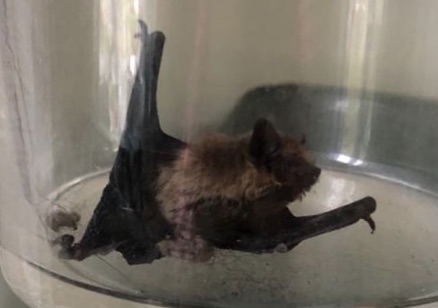
The weirdest thing happened today. We got some beautiful flowers sent from some dear friends for our wedding anniversary the other week, but alas they were ready for the compost bin today. As K went to pick up the vase to dispose of the flowers he noticed what he first thought was a dead leaf from the bouquet that had fallen into the empty glass vase next to it. It was actually a BAT!!!!. We couldn[t believe our eyes. We can only think that the unfortunate creature had flown in last night when the back door was open when the dog was in the garden and somehow got trapped in the vase. It’s a pipistrelle – our smallest and commonest bat species.

We took it outside and worked out that it was probably dehydrated after its ordeal. so K tried offering it some water from a teaspoon, which it lapped up.

It had crawled into a corner between some bin bags of garden waste ready to go to the tip.

After it’s drink the bat really perked up and crawled around the patio, then started to climb up the wall.
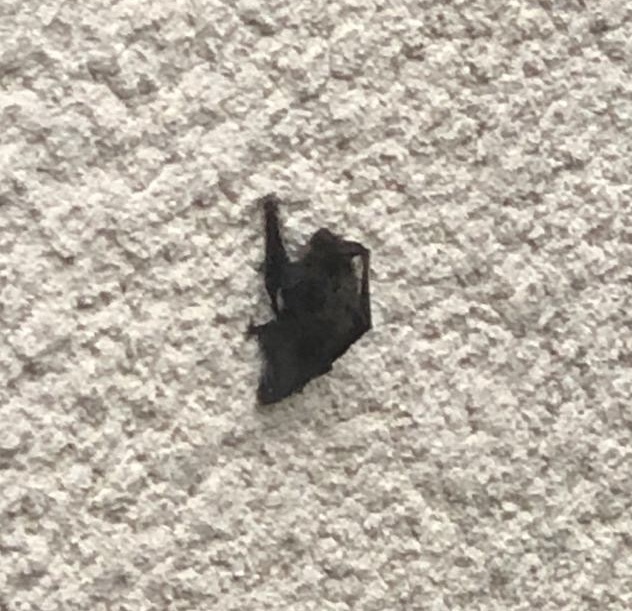
Unfortunately it fell off but seemed ok and crawled behind a flower pot. We are hoping it’s ok and just resting until nightfall.

Many years ago we used to volunteer to support our local licensed bat expert, monitoring roosts. He usually had at least one sick or injured bat being nursed back to health so K and I had seen these amazing creatures close up before, but son and daughter hadn’t and they were both fascinated too. It was such a privilege to see our little visitor. I’m just waiting to see if it gets active again at dusk.

Do you get any interesting wildlife in your garden?

UPDATE: We went to check on the little bat after it went dark and I’m pleased to report that it’s gone – hopefully back to lead a normal life!
Posted in Uncategorized

Lockdown Crafts: Driftwood Candle Shades

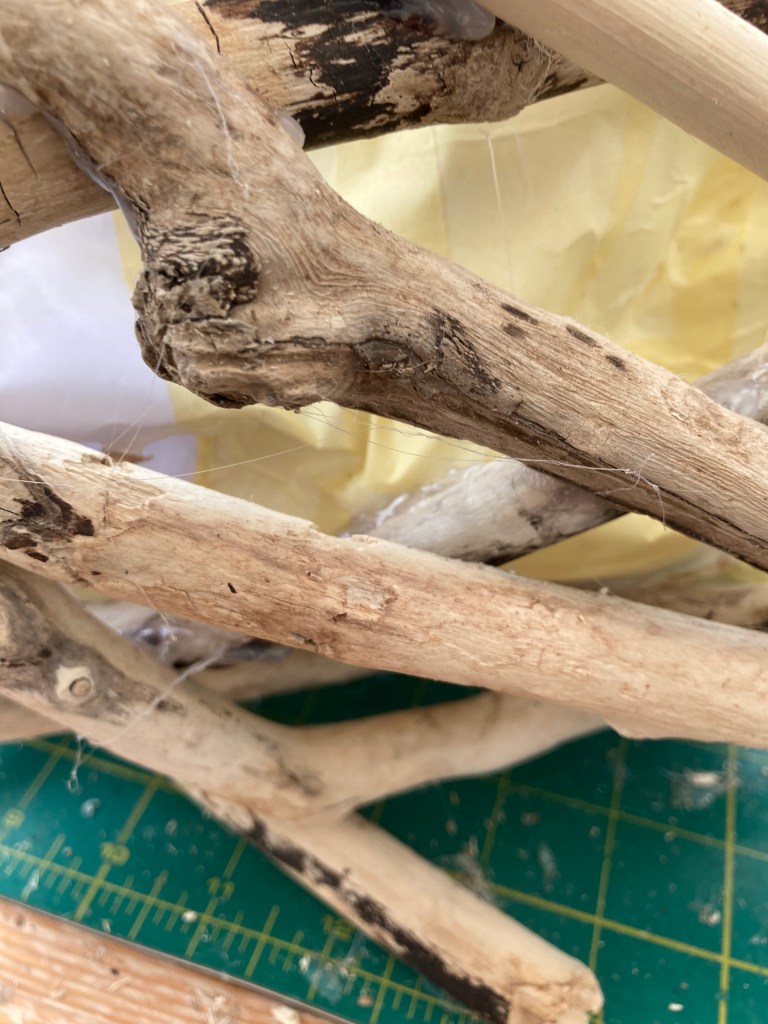
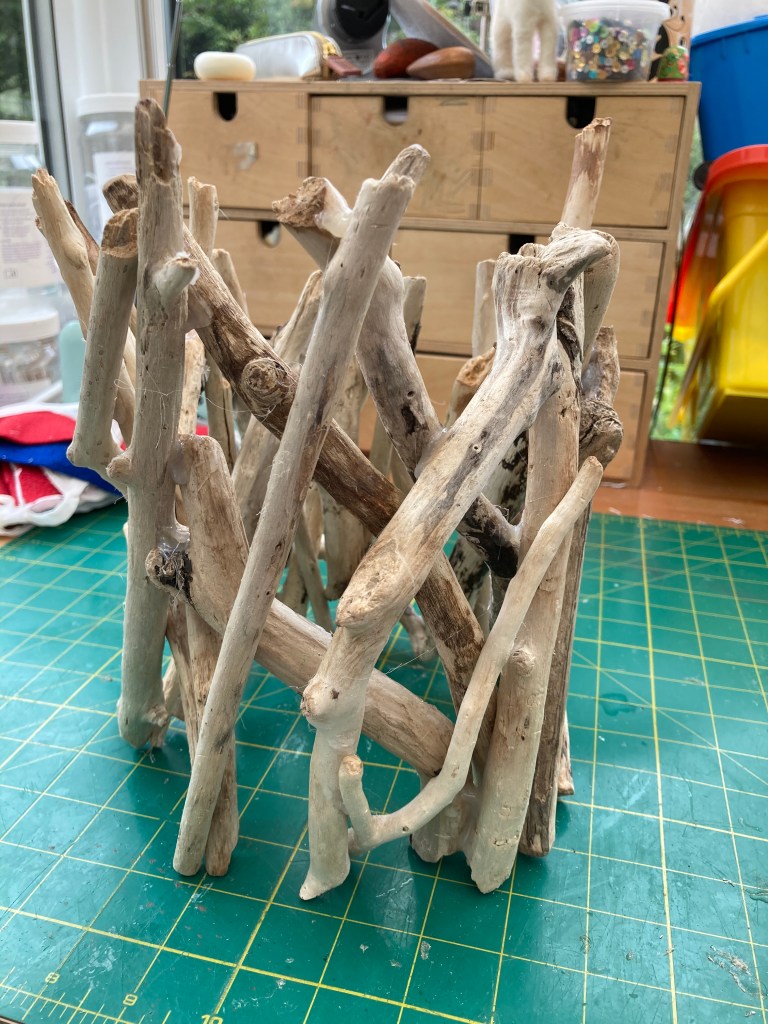
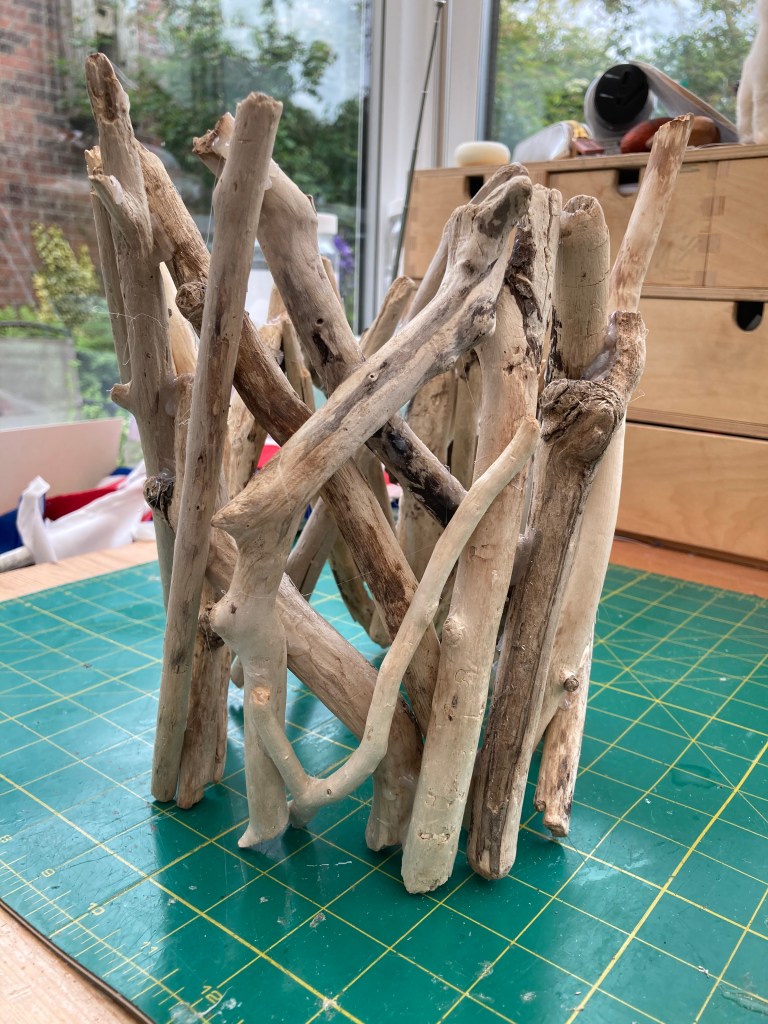
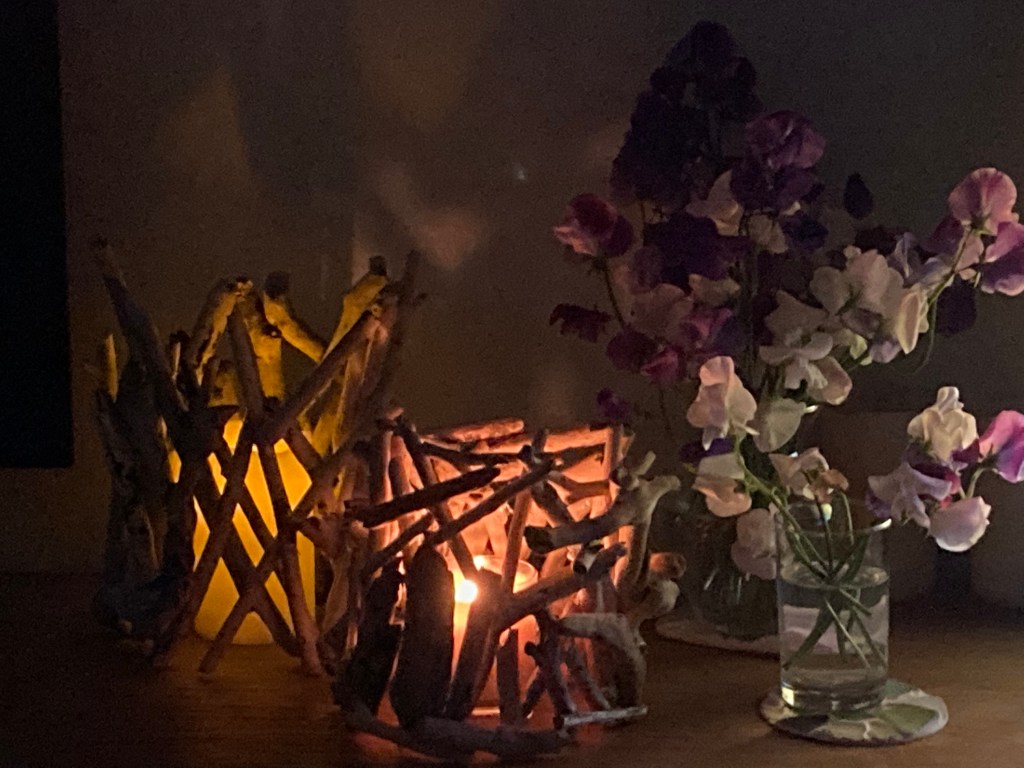
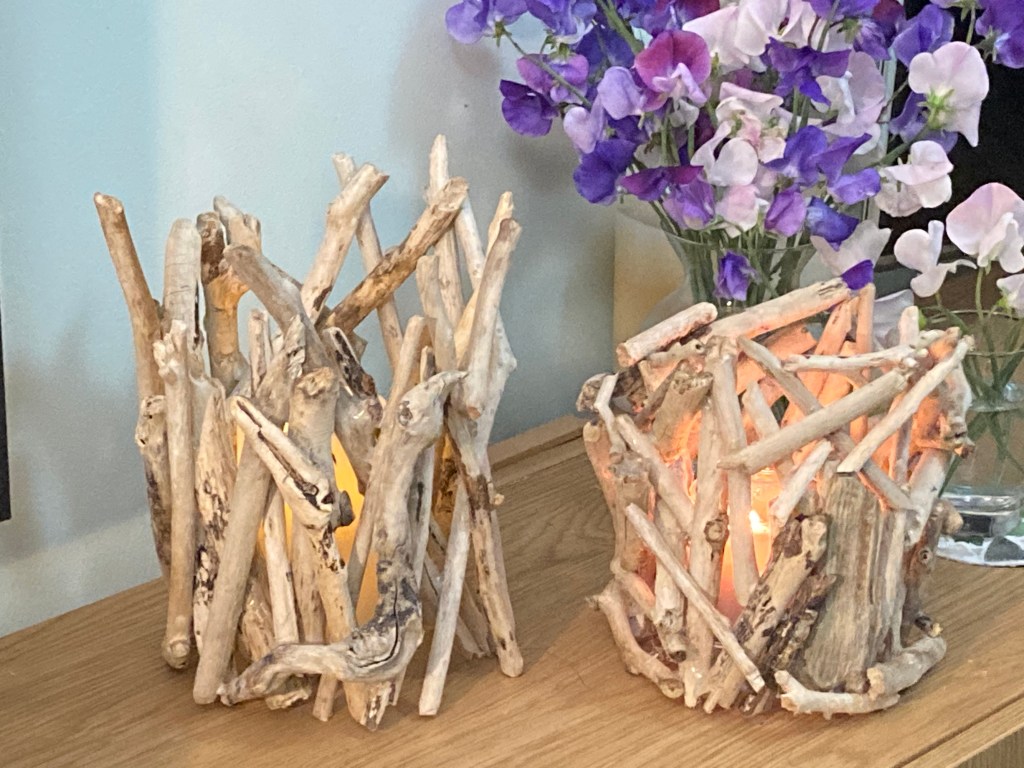
K is always beach combing on daily dog walks and comes home with sea glass, pottery fragments, shells, interesting looking stones and pieces of driftwood. I’ve had a pile of driftwood sitting around waiting for a purpose since last year so today I’ve been using some of the smaller pieces to make these shades to sit over candle jars (I’m always wary of putting something combustible like wood near a naked flame, but it’s safer when there’s glass in between).

First a word about treating the driftwood. I submerged the newly collected pieces in a tub of bleach solution and left it to soak for a couple of weeks, to kill any worms, insects or fungus, then rinsed them with clean water and put them in mesh bags in the airing cupboard to dry out thoroughly.

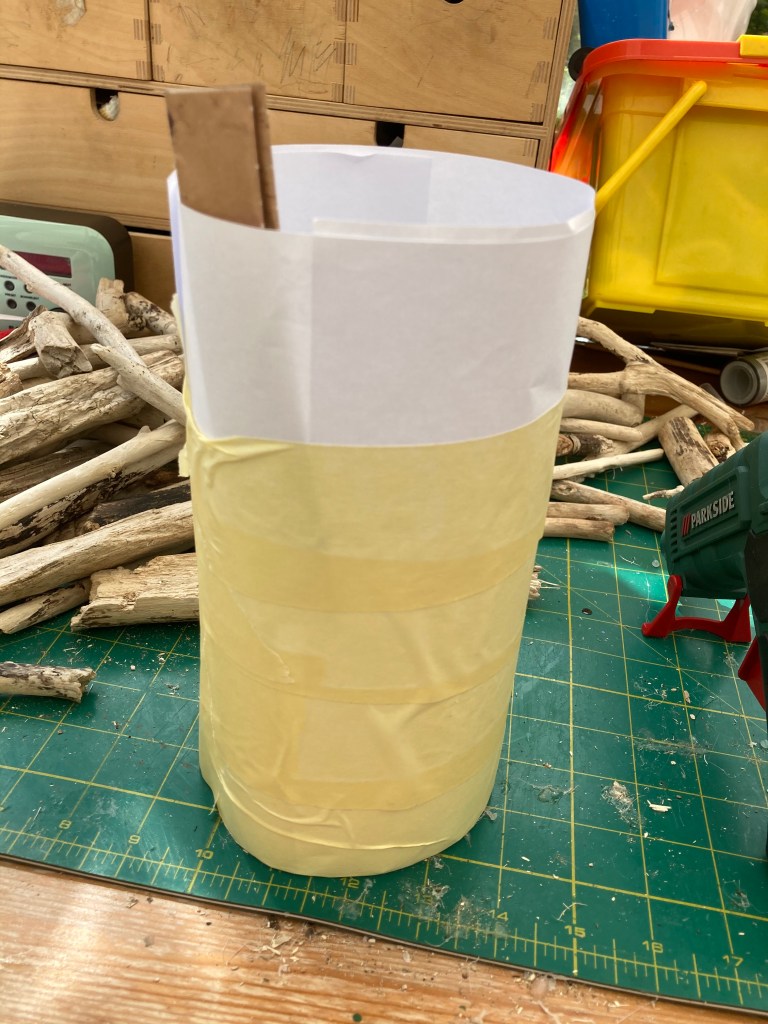
I used a plastic jar as a mould, but needed to find a way to release it from the hot glue, so I began by putting a paper sleeve round it, secured with tape. I put put some strips of folded paper inside the sleeve – the idea was that if I pulled these out first, then the jar would slide out more easily. I found that the hot glue didn’t stick too firmly to the low tack tape so I taped all over the paper sleeve.

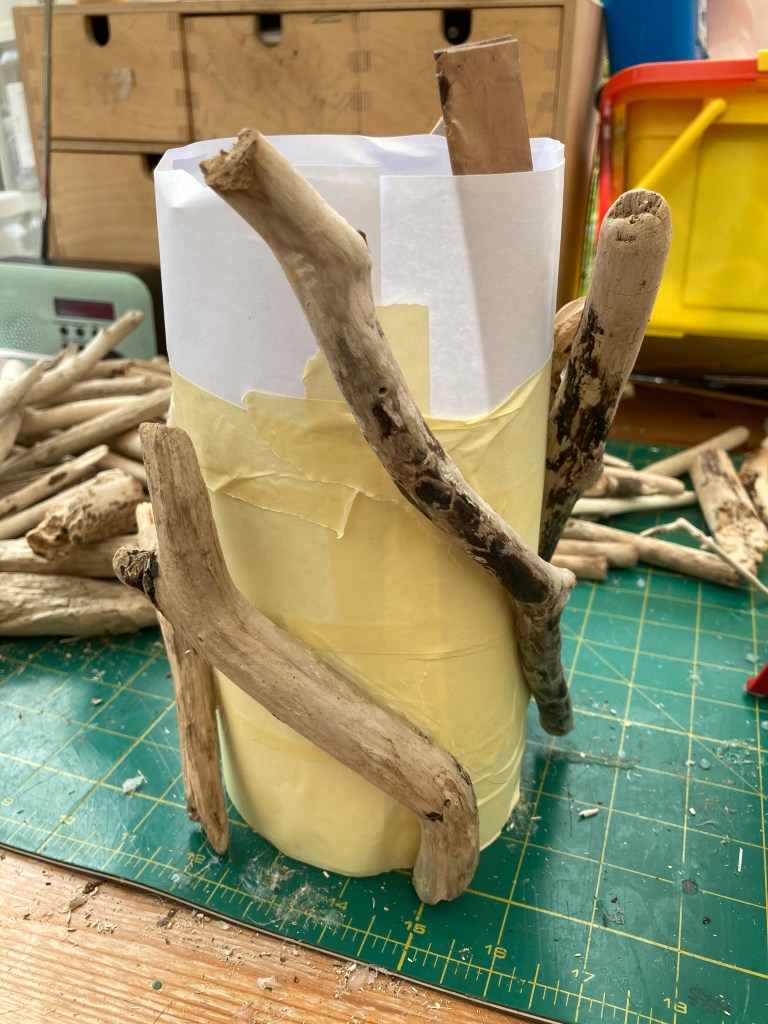
Using the glue gun, I stuck the first layer of driftwood pieces directly on to the mould. I kept the mould on a flat surface and made sure the sticks were touching the table all the way round so the shade would stand up without rocking when complete.

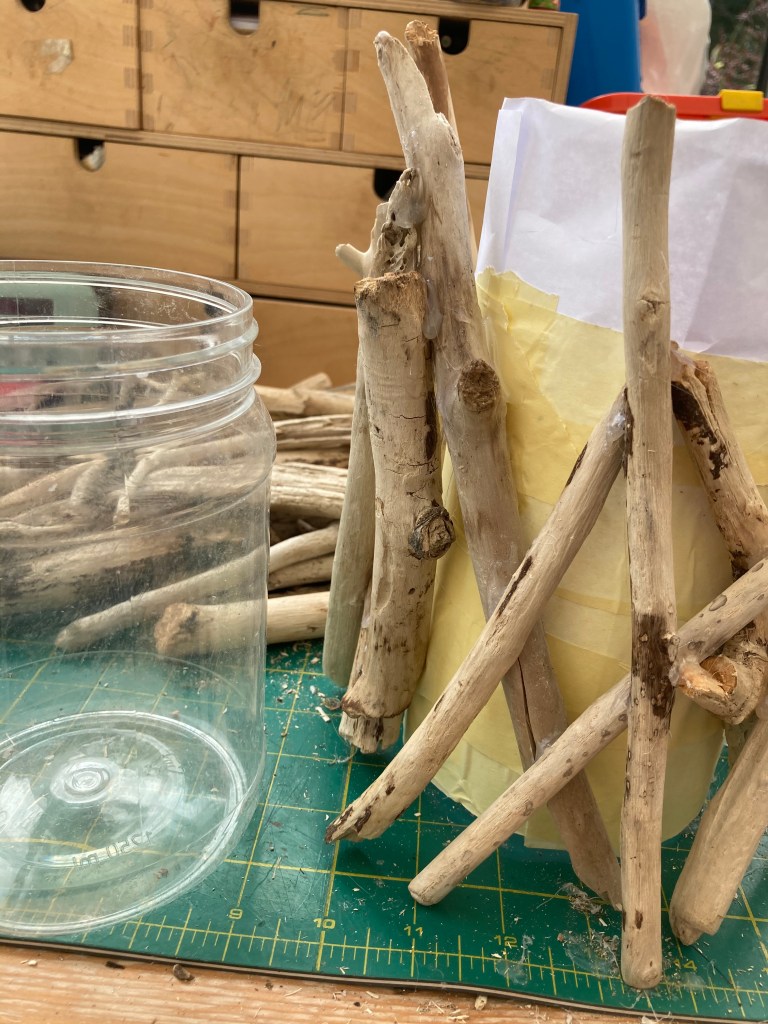
The next layer was stuck on to the sticks in the first layer, ensuring it was glued in at least two places. The second layer pieces were placed at an angle to the first to ensure that all the pieces were locked together. I found the easiest way to apply the glue was to hold the glue gun nozzle over the joint and allow the hot glue to dribble into the gap, then hold the piece in place until the glue hardened.

I continued until the whole mould was covered, then I pulled out the strips of paper to release the sleeve and the jar slid out quite easily. I was then able to gently pull the tape- covered paper away from the glue on the first layer.

I continued to add more driftwood pieces, including some to the inside, until I was happy with the result.

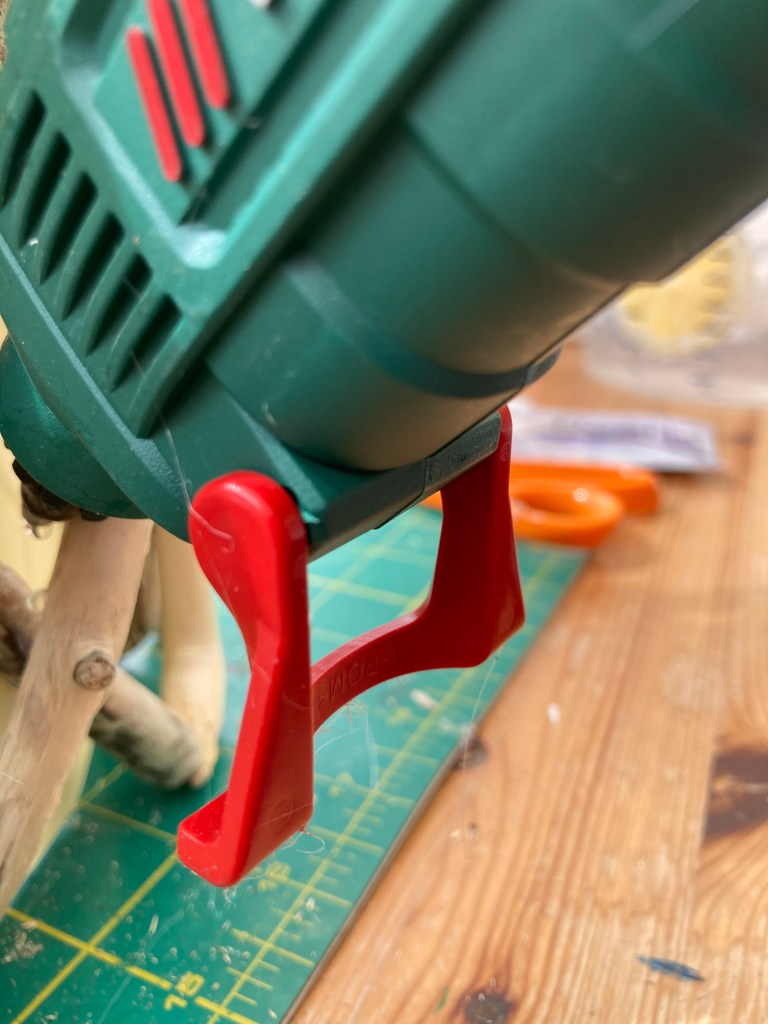
I’ve made two of the shades. I prefer the taller one, where I kept the sticks closer to vertical – the other one was more random. I really must take more care with the glue gun though. Much as I love using it, I have sustained a couple of blisters in the process!

Posted in Uncategorized

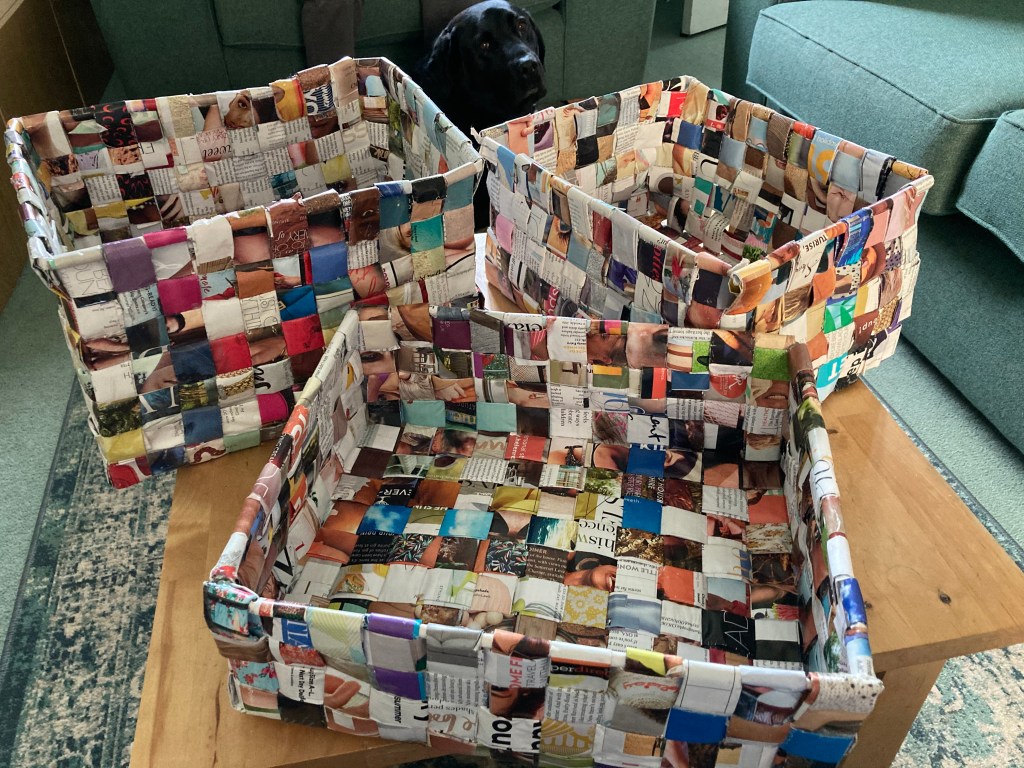
Lockdown Crafts: A Trio Of Baskets.

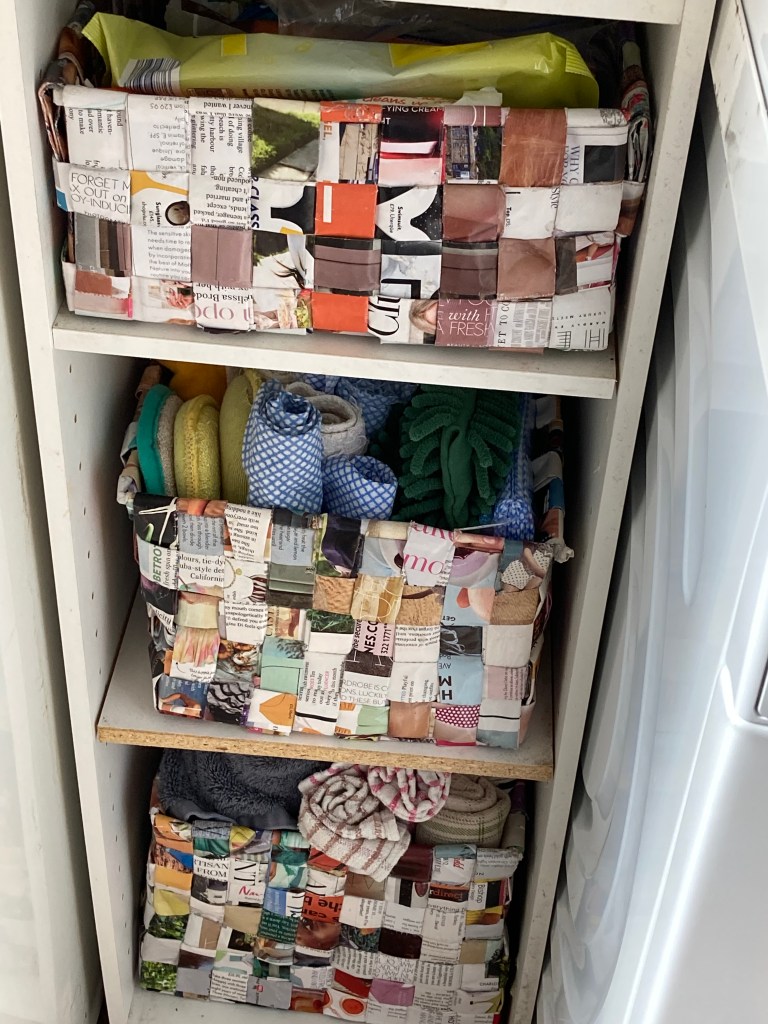
I have a set of shelves in the utility room, where I store things like tea towels, cleaning cloths and freezer bags: not the easiest things to store on shelves, so I was after some baskets, but couldn’t find anything the right size so I decided to make some. All I used were some old glossy magazines and glue (hot glue and PVA). Don’t you just love repurposing things?

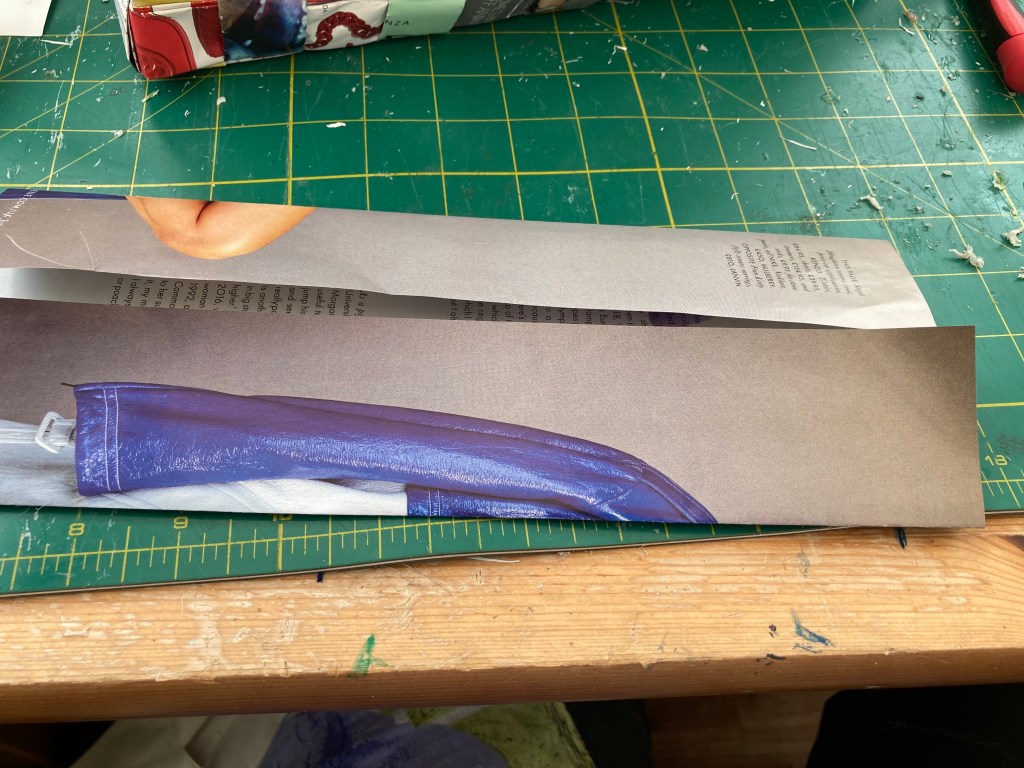
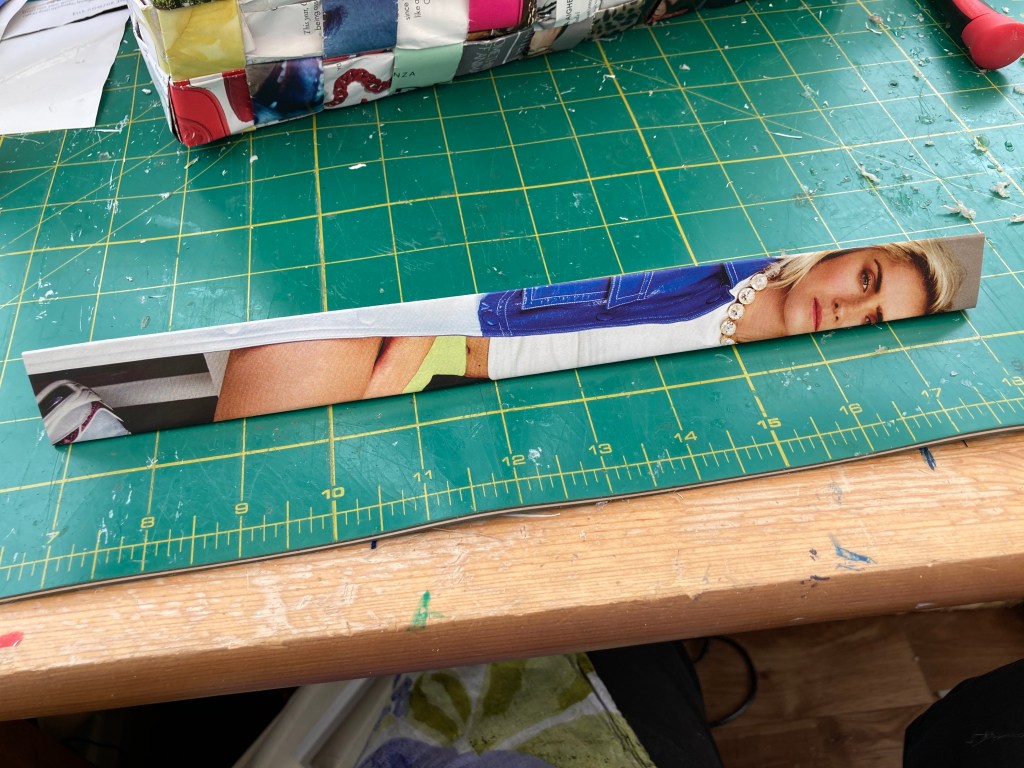
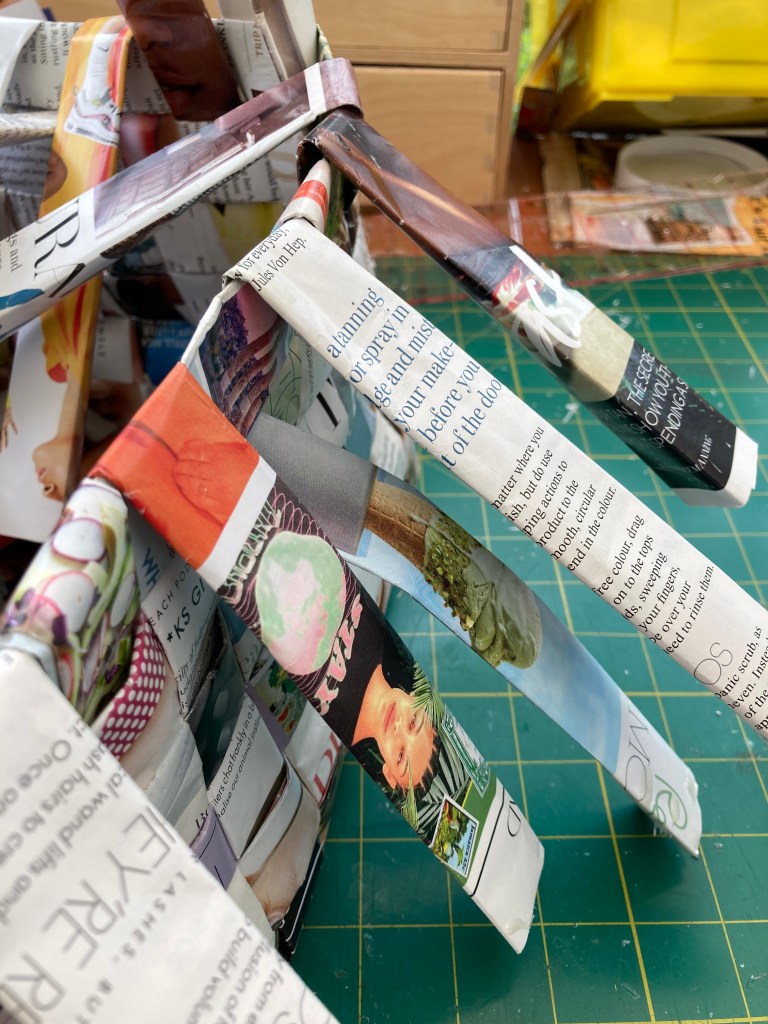
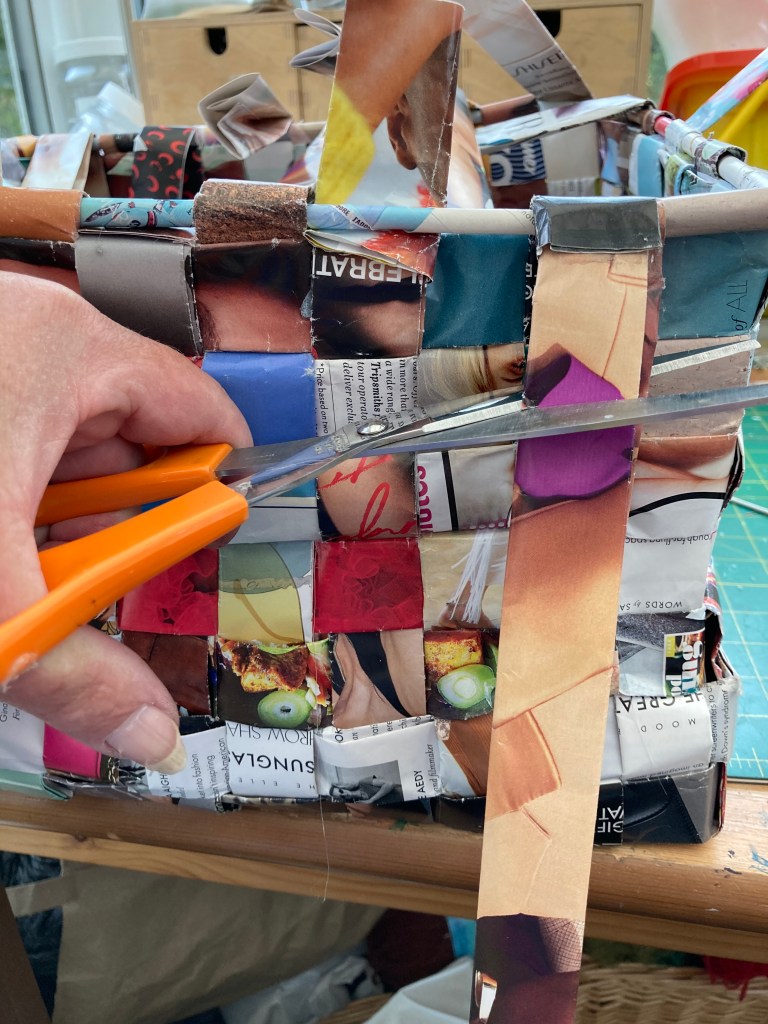
Using a craft blade and a ruler to get a straight edge, I cut the pages out and started by folding them into strips, long edges to the middle, then long edges to the middle again, then in half. Wherever possible I kept the most colourful side to the outside.

When I needed to join strips I either joined two or three sheets together with a thin line of glue before folding or joined two folded strips together by wrapping one round another with 1-2cm overlap and securing with glue.

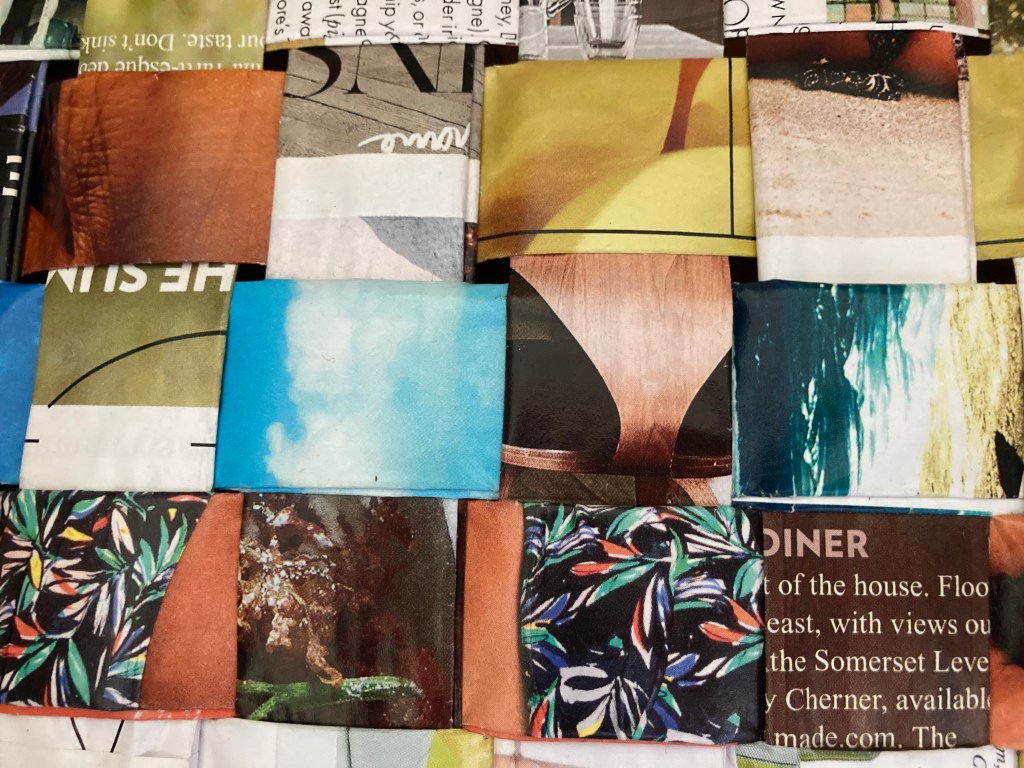
Starting with the basket base, I secured the first few strips to the table with low-tack tape, using the grid lines on my cutting mat to keep them parallel to each other. I then began to weave strips through these, keeping them a right angles to the initial strips and parallel to each other. I tried to keep the weave as tight as possible, applying a dab of hot glue every so often to keep the strips secure.

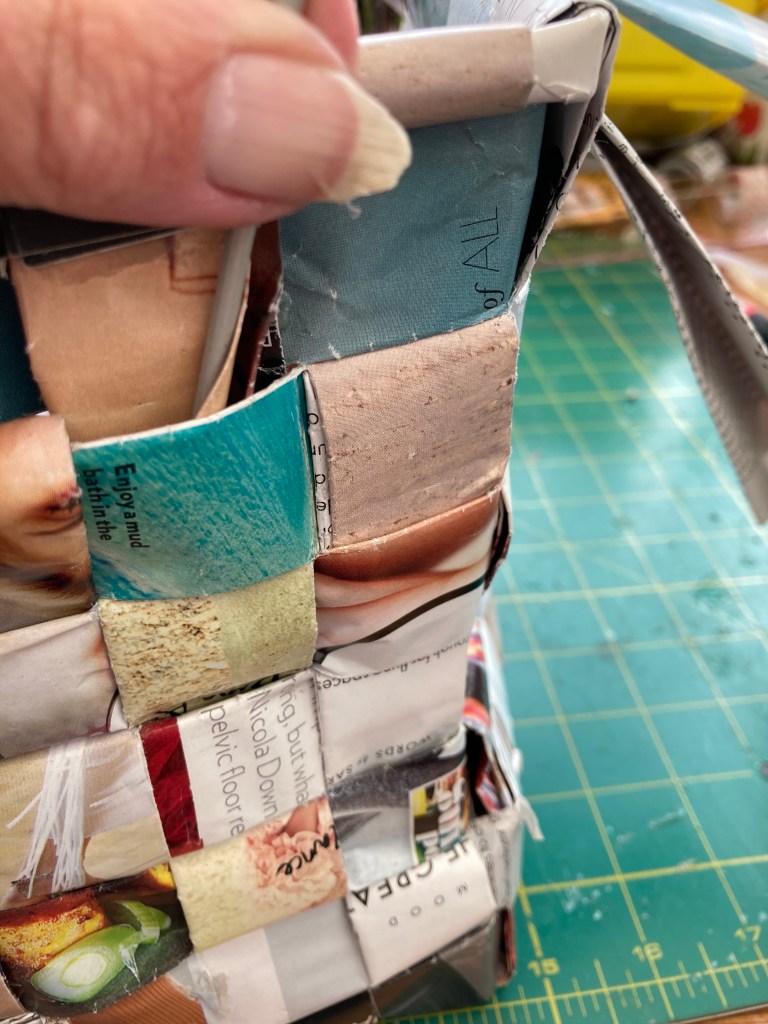
When the base was the right size I folded the unwoven ends up and began to weave a strip round the basket. I made some strips with magazine covers and attached these to the strips that were forming the corner verticals, for added strength. I joined in new strips as I went, trying to keep joins behind upright strips. When the first round was complete I joined the two ends, making sure that the weave stayed tight and even to avoid the sided of the basket bulging. I also kept the upright strips as straight as possible, easing them into place to forma tight weave and not bulging out. I started each new round in a different place – joints are the weakest part, so I didn’t want to concentrate them all on one side. I found it helped keep things secure if the uprights (apart from the stiffer corner struts) were bent over as I wove the strip round and the upright were also already in the right position for the next round.

When I got to the second last round I found it was important to use as little glue as possible to secure the weave and limit it to the lower edge to allow for tucking ends in.

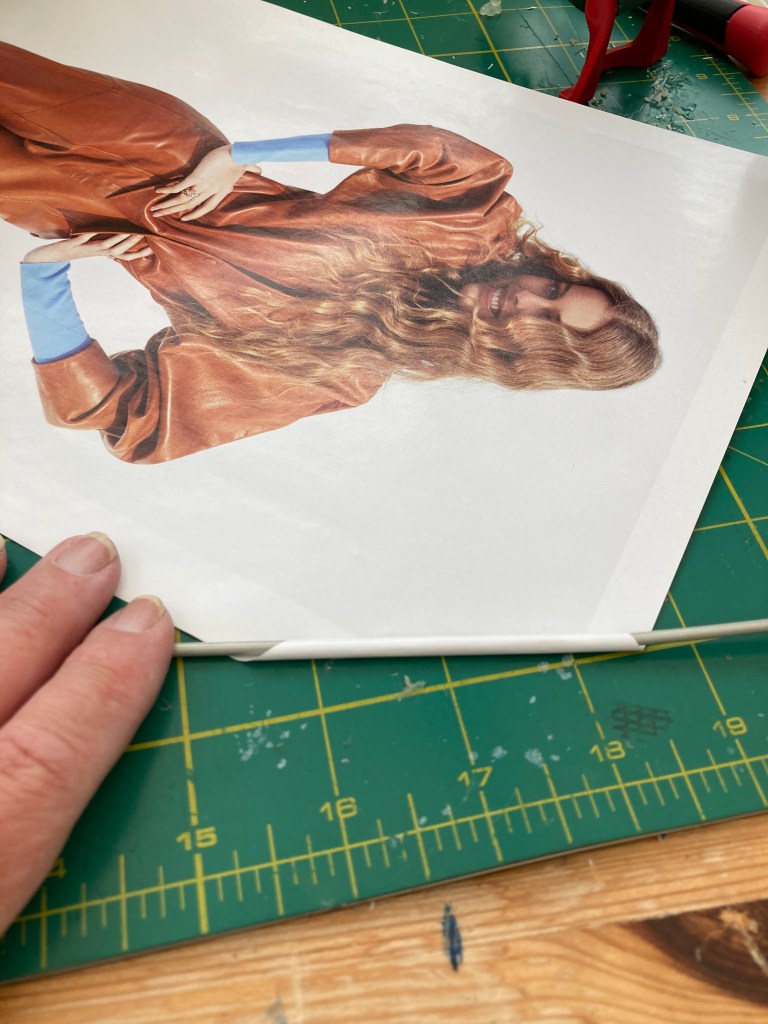
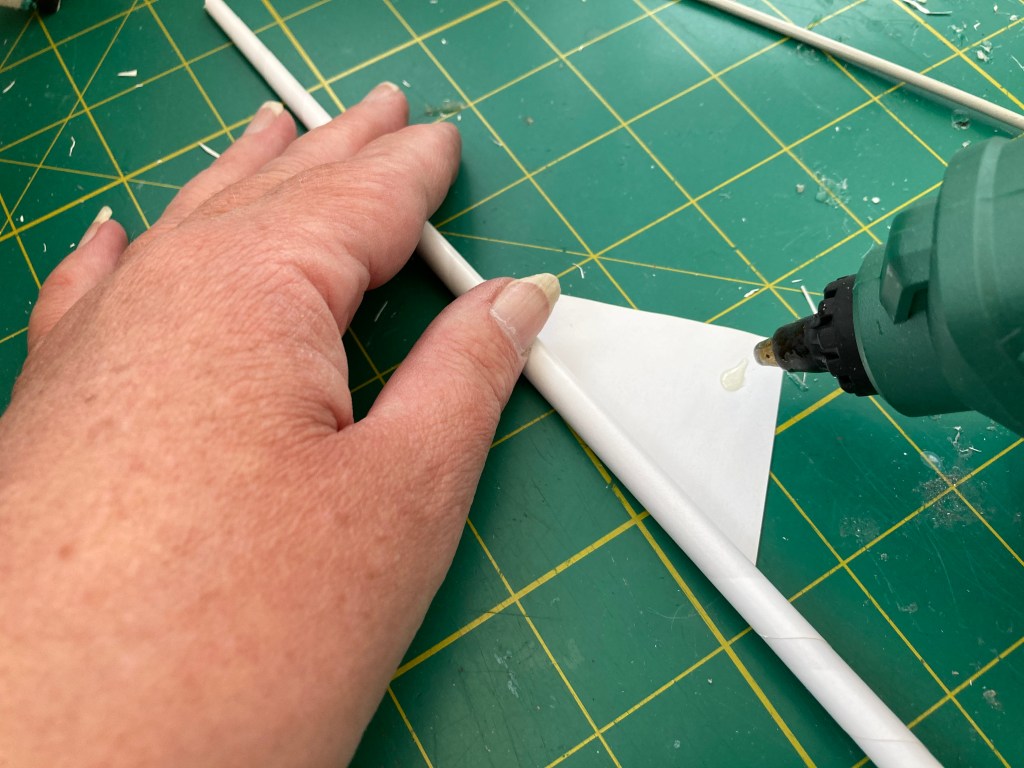
Once the last round of strips was woven in I made some edge supports by rolling a magazine page diagonally into a thin tube (I started it by rolling it around a thin knitting needle) and securing with a dab of hot glue.

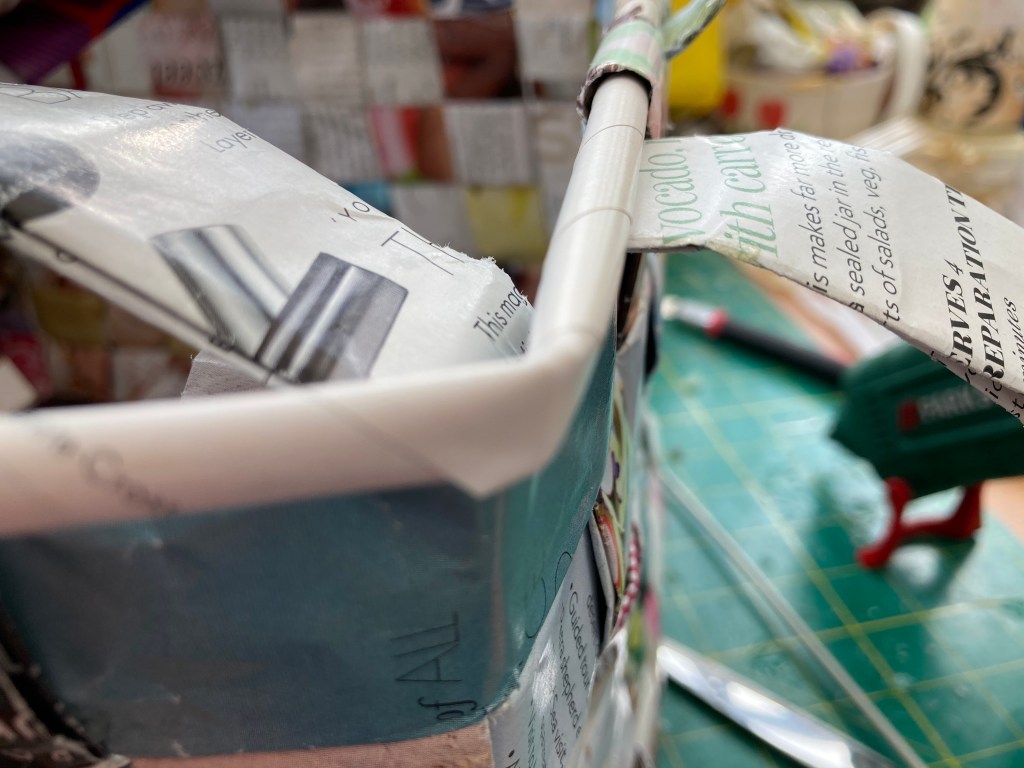
These tubes are surprisingly strong and make a rigid top edge for the basket. I wove the uprights through as if the rod was another round of strips joining them at the corners by inserting the end of one tube into another and securing with a little hot glue (one end of each tube is thicker than the other

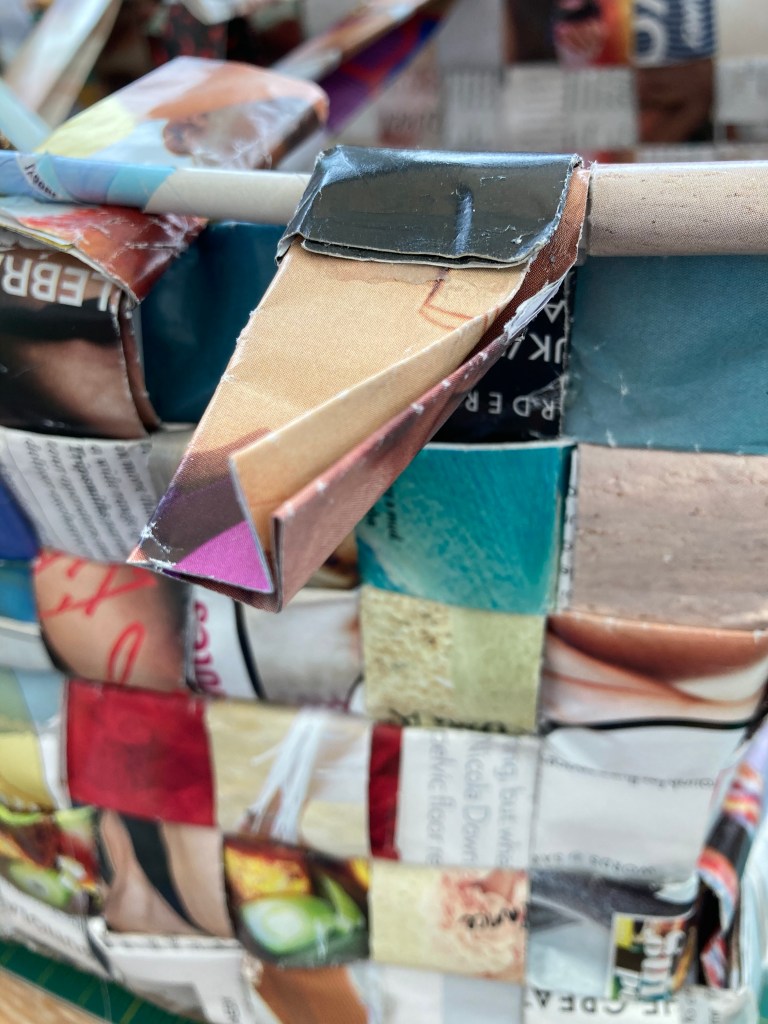
I finished by trimming each upright strip to about 6cm long and tucking it into the second last round of strips. I started with the outside and then did the inside, securing with a little glue around the tube.

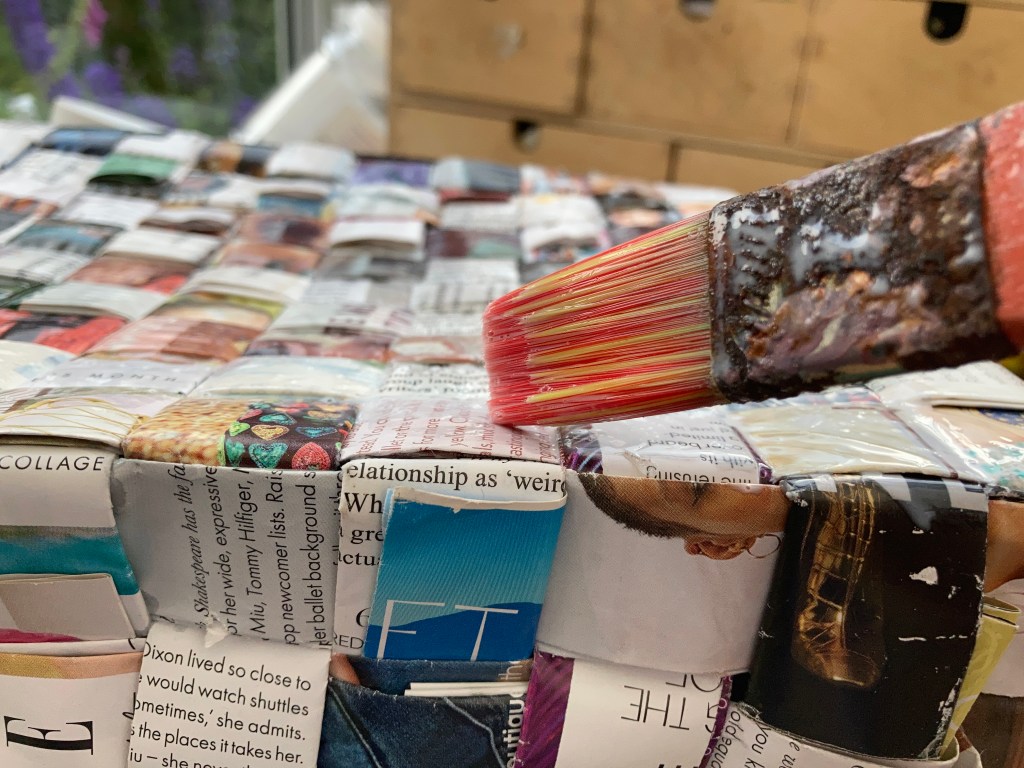
With all the ends tucked in I gave the whole basket a couple of coats of diluted PVA glue, inside and out. This makes the whole basket more rigid as well as sealing the surface.

I’m really pleased with my made to measure baskets. I wouldn’t use them for heavy item storage but they are perfect for lighter things.

Have you tried any new crafts recently?

Posted in Uncategorized

10 Observations After 100 Days of Lockdown

  1. I miss hugs. Shortly before lockdown (when things were just starting to get a bit scary) we met up with friends who were staying nearby. As they arrived at the pub we all just sat down (normally it would be hugs all round). It felt weird. It’s hard on huggers!

2. The contents of my handbag have changed. Not that I go out much, but essential items now include mask, disposable gloves and hand sanitiser.

3. I’d have no social life at all if it wasn’t for Zoom. Regular quiz nights, coffee mornings, choir and ukelele sessions and even a hen party have all been made possible thanks to the joys of video conferencing. Can’t get it to work for me to initiate meetings though – annoying!

4. Our language has changed. Words like lockdown, furlough and social distancing are now part of our everyday conversation. We even sign off e-mails differently …..stay safe.

5. I’ve rediscovered baking (like everyone else) – mainly scones and banana loaf. I have had to add baking powder to plain flour as there was no self-raising available, but that works fine.

6. I miss my hairdresser. I have made a messy attempt to trim my fringe as it was annoyingly in my eyes and out of sheer boredom I dyed my hair pink. Daughter said I was having a mid-life crisis. It was only a temporary colour but I thought it would at least cover my grey roots. Alas no! I’m still having to cover them up with a hairband. The pink is washing out now.

7. I’m drinking more (like everyone else). Not excessively, it’s just that if I go out I’m usually driving. Now all the social activities on Zoom are accompanied by a large gin and tonic!

8. I seem to have fallen out with some of my hobbies – I’ve not picked up knitting needles or crochet hook for weeks and am only blogging occasionally. I’ve done some crafty odds and ends, but struggle to settle to anything.

9. The diary is empty. The number of things that have been cancelled is crazy. Our holiday in North West Scotland, various concerts and shows I had tickets for, and a craft course – all off. Holidays and 2 of the gigs are rearranged for next year. It’s a long wait but at least there’s something to look forward to.

10. I’m ok. I’ve had bad days (like everyone else) but that’s fine. They haven’t been very often. I suppose that after a period of readjustment lockdown became a new normal. I’m pretty lucky, with a supportive family, living in a place I love. Coming out of lockdown will be another readjustment that maybe I’m not quite ready for yet.

How has your life changed under lockdown?

Posted in Uncategorized

A Posh Picnic

I seem to have lost my blogging mojo recently, but had to post about my lovely evening last night. We were celebrating our 33rd wedding anniversary yesterday. In more normal times we would have gone out for a nice meal somewhere, but with all the restaurants still closed we had to be a bit more inventive. Some places are operating a takeaway service so we ordered food from The Potted Lobster in Bamburgh. It’s a lovely place that we’ve visited before, serving delicious food, with an emphasis on fish and shellfish. Their takeaway service is operating at weekends and the menu and ordering details are on the restaurant’s Facebook page.

We packed drinks, glasses and cutlery, picked up our order and drove to a lovely spot overlooking the sea and the Farne Islands to enjoy the view while we ate. You can just make out on the horizon what appeared to be parts of an oil rig or drilling platform being towed by a tug.

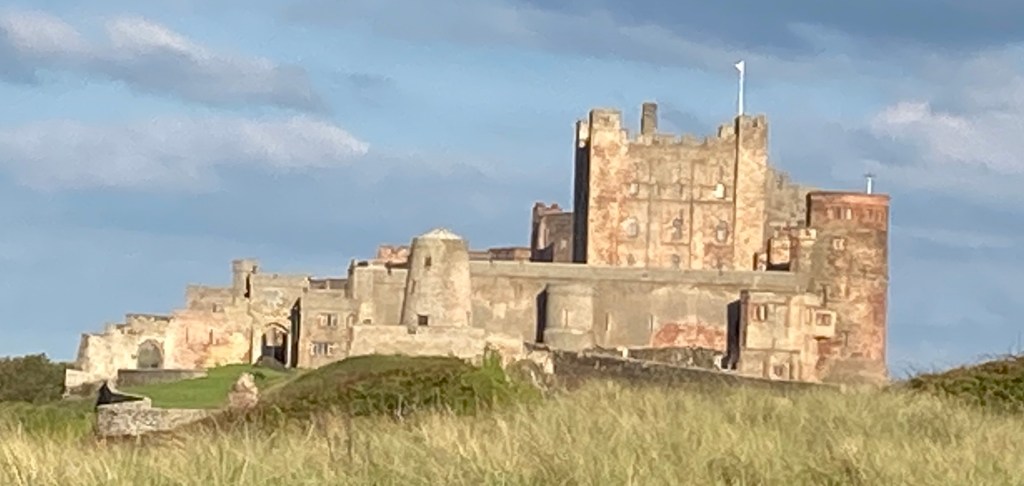
There were also stunning views of Bamburgh Castle

We unpacked our posh picnic and it certainly didn’t disappoint! Everyone was well packed in mostly recyclable boxes. We started with chilli squid and spicy pheasant, the moved on to the main course: lobster salad and cod goujons. The portions were generous, so I saved most of my dessert for later. I had passionfruit Eton mess and K had strawberry and white chocolate cheesecake. All very delicious.

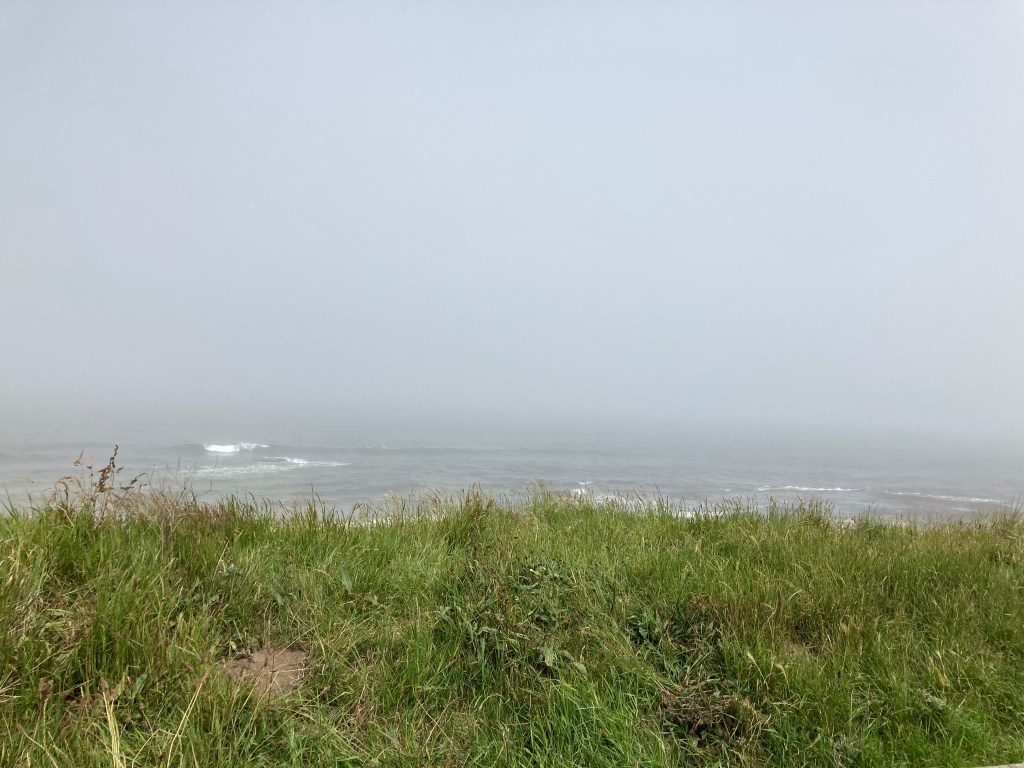
We sat and enjoyed the evening sunshine. It was a far cry from the weather earlier in the week. Then the view was obscured by thick coastal fog, which we call sea fret round here.

What a lovely way to celebrate our anniversary.

Have you found alternative ways of celebrating special occasions during lockdown?

Posted in Uncategorized

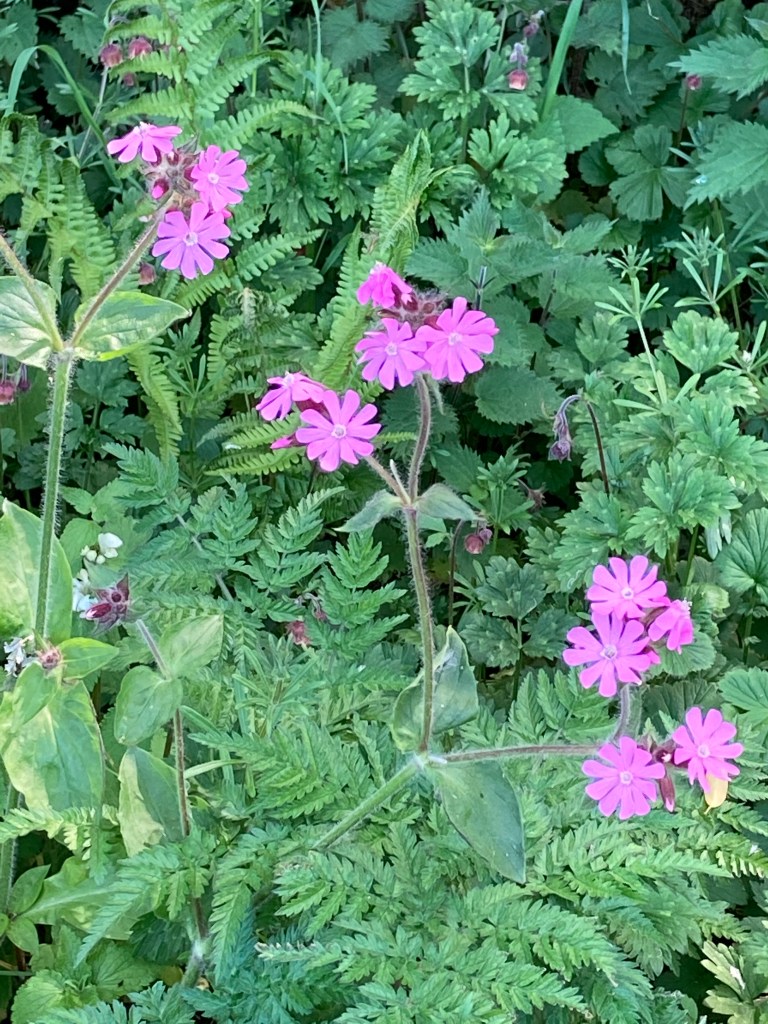
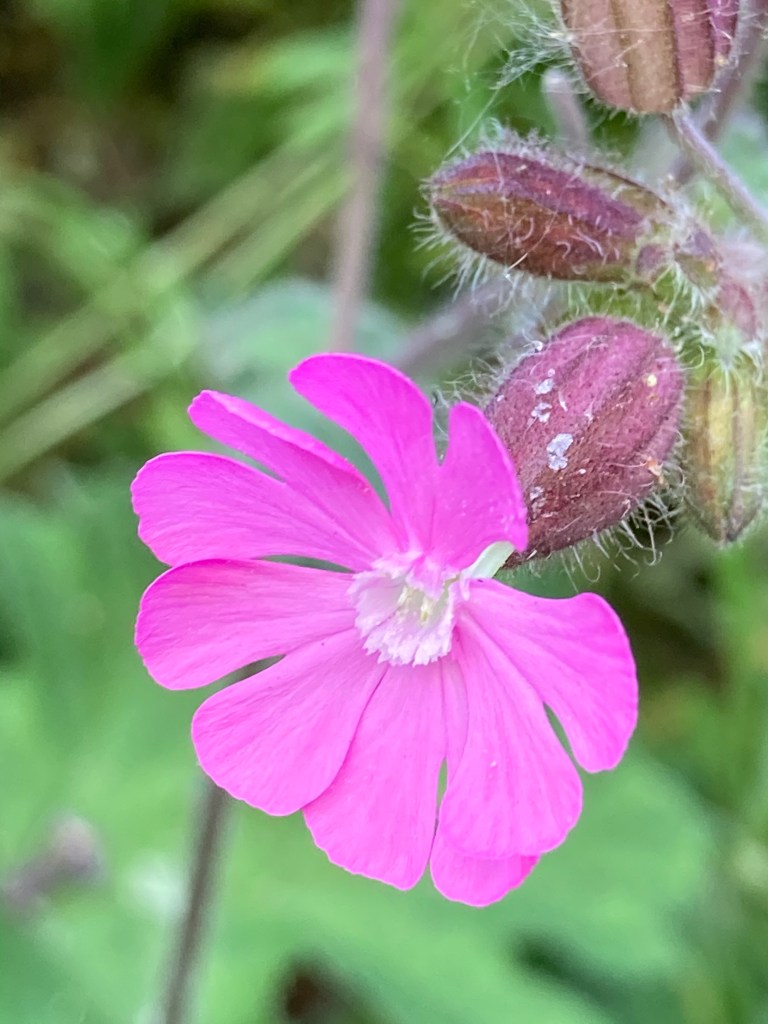
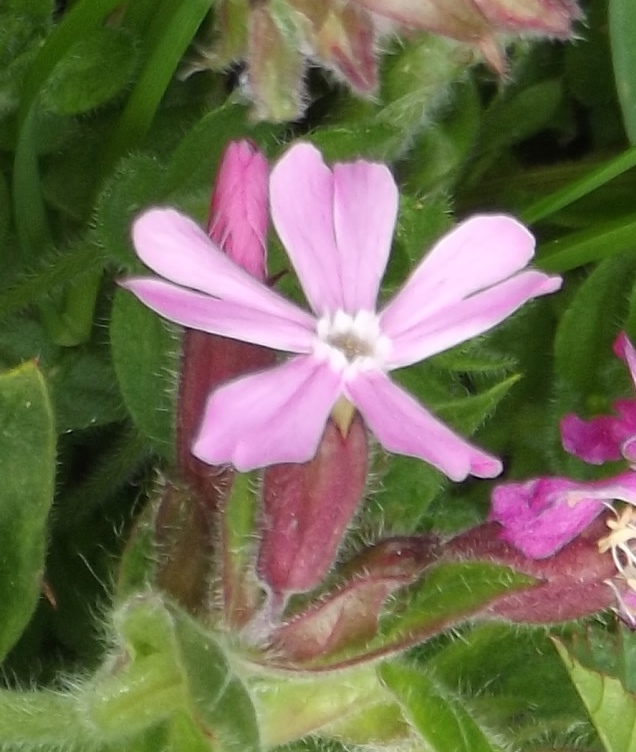
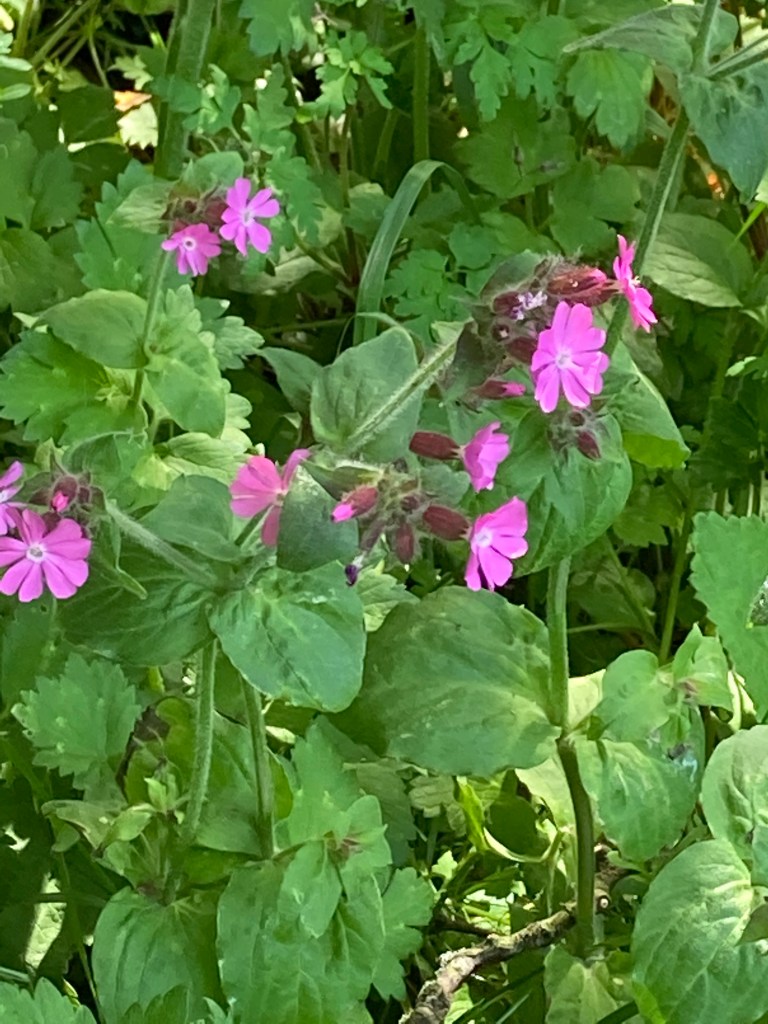
Wildflower of the Week: Red campion.

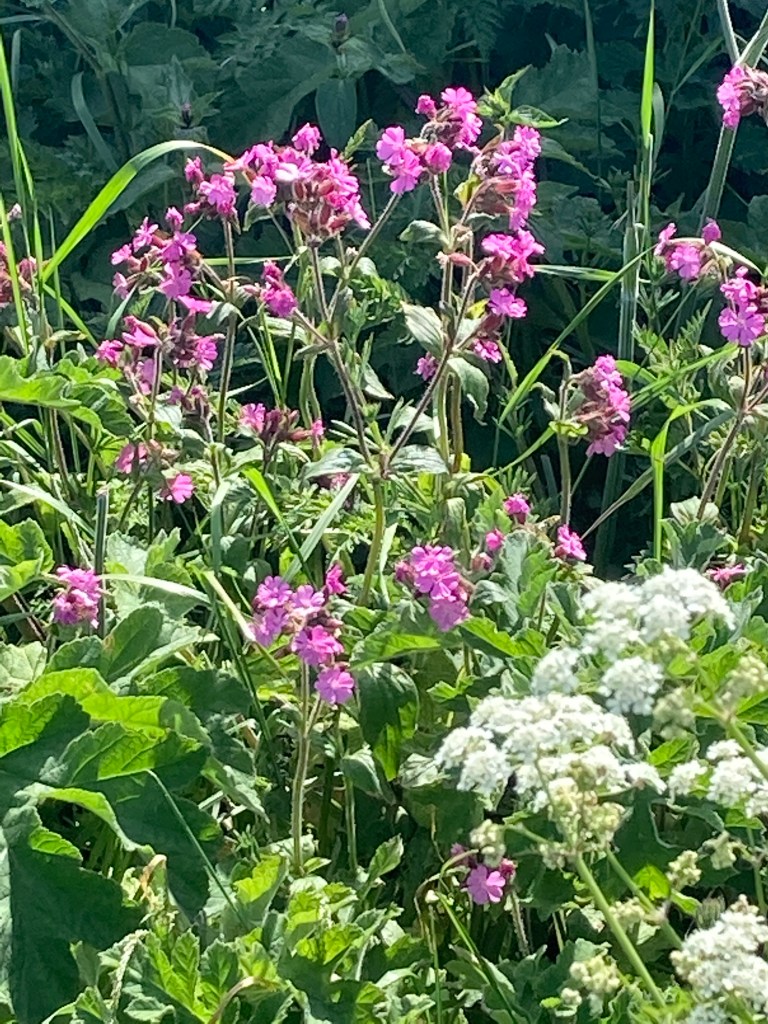
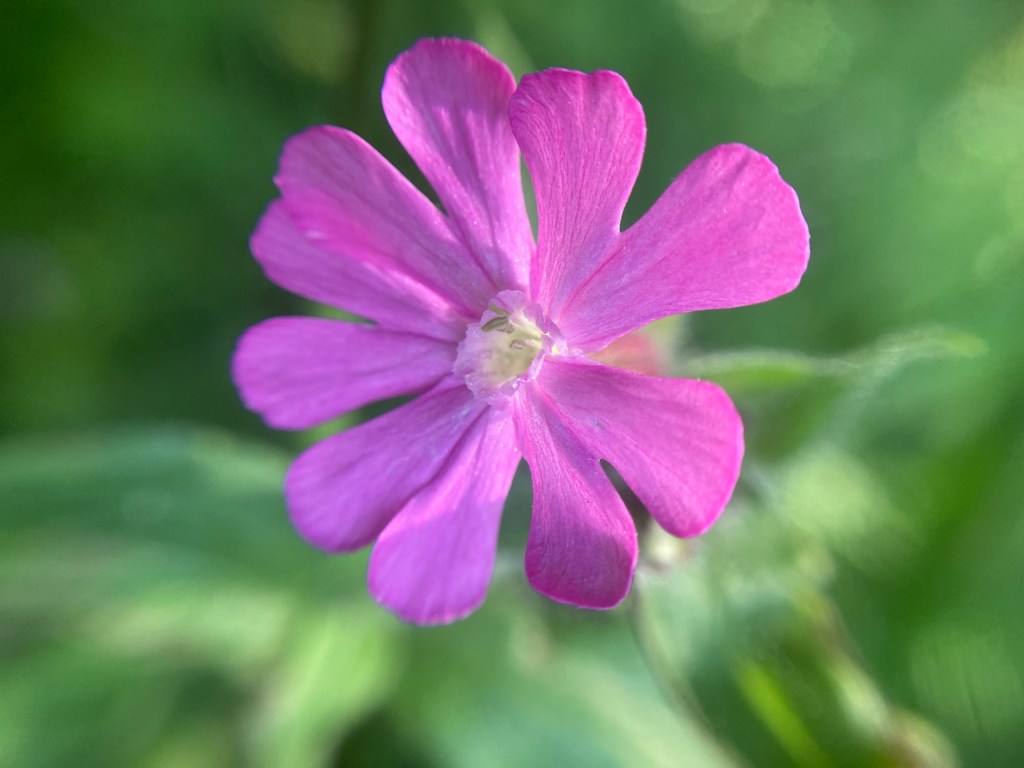
It’s impossible to miss the tall clumps of pink-red flowers of red campion that are growing in profusion in hedgerows and woods at the moment and will continue to do so until August and well into Autumn and Winter if the weather is mild. This relative of the carnation is a short-lived perennial that produces copious seed that enables it to spread rapidly , especially in fertile soils.

The plant grows up to a metre tall, though usually 30-60cm high. with leaves and stems covered in softly downy hairs. The leaves are pointed oval in shape, carried in pairs on the stems.

The flowers carried in small groups at the end of the stems. Each has five petals and each petal has a central cleft. the calyx immediately behind the flower is dark red/brown and hairy. The plant is dioecious, that is a single plant carries flowers with either female or male parts, not both as in most flower species. On the female plants the calyx develops into a vase-shaped seed capsule full of tiny black seeds. The female flower produces a sticky substance that causes pollen from visiting insects to stick. The Latin name for the campion family, Silene, may come from the woodland god Silenus or from the word for saliva.

The red campion hybridises freely with the closely related white campion with resulting flowers in a wide range of shades of pink. Though I’ve never noticed this, you may come across flowers with a darker centre. This is caused by a fungal disease known as anther smut, producing dark spores on the reproductive parts of the plant

The plant is sometimes called the Adder Flower from it’s use in folk medicine to treat snakebites (though personally if I was in this situation I would prefer to seek professional medical advice immediately rather than take my chances with the plant!) The roots of plants in the campion family can be used to prepare a soap substitute, though the red campion is less known for this than it’s close relative, soapwort. The 16th Century herbalist, John Gerard said that the hairy stems could be used to make candle wicks. A century later, Nicholas Culpepper described a number of medical uses including the treatment of kidney stones and internal bleeding as well as to “helpeth those that are stung by scorpions or other venomous beasts”.

Another country name is Batchelor’s Buttons as unmarried young men would wear the flower in a buttonhole..

Red campion certainly provides a welcome splash of colour in late spring and throughout the summer.

As always, please remember these guidelines.

  • Don’t touch or pick any plant unless you are ABSOLUTELY CERTAIN that it is safe to use, and not poisonous.
  • Don’t pick anything unless it is abundant
  • Only pick small amounts and no more than you need
  • Don’t pick if there is a risk of pesticide/weedkiller or other contamination, including from traffic or other forms of pollution.
  • Always get permission from the landowner.
  • Avoid areas which may be soiled by animals (wild or farm animals or pets)
  • Wash plants thoroughly
Posted in Uncategorized

Mad Hatter’s Tea Party

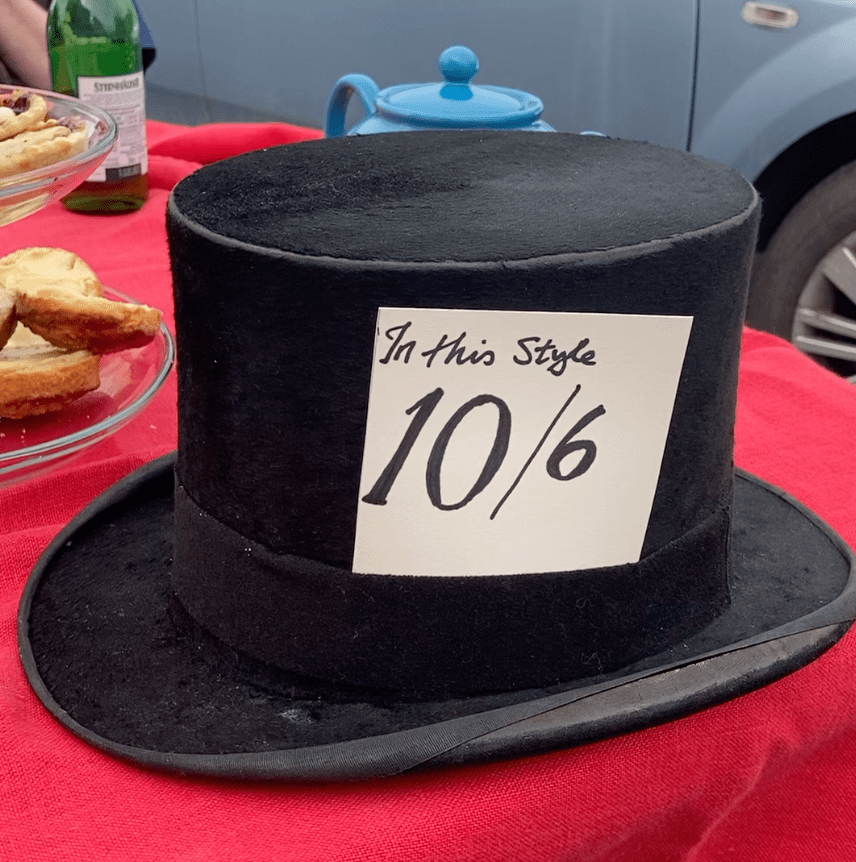
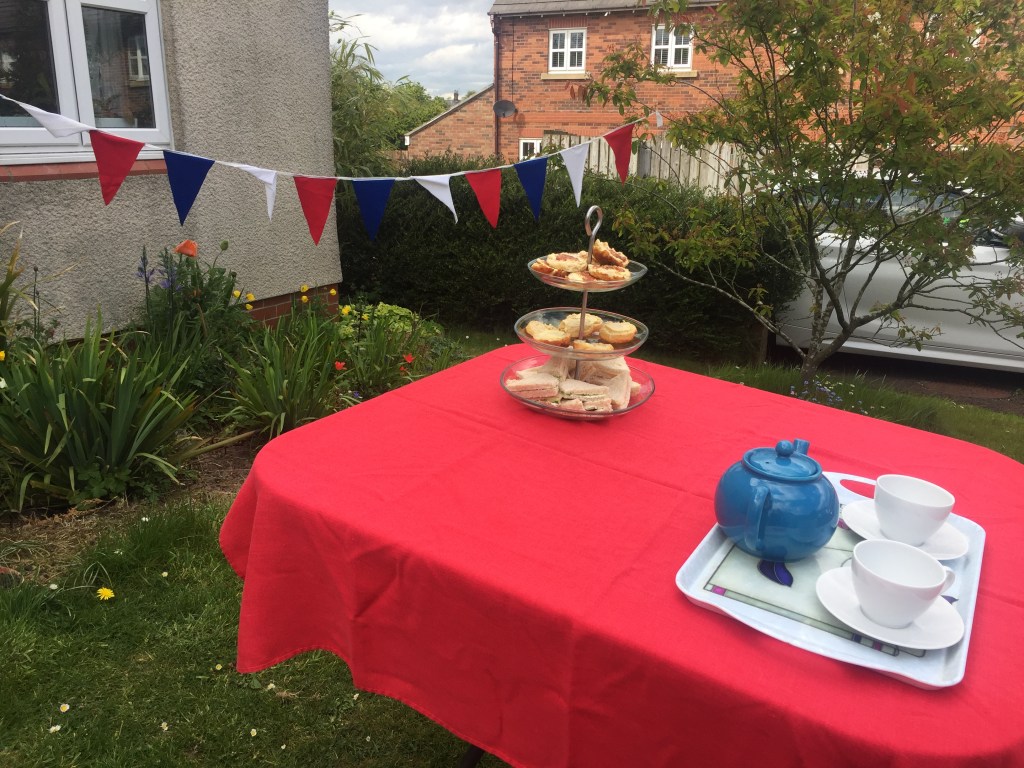
Following the success of our socially distant street party to commemorate the anniversary of VE Day, we decided to hold another one for the bank holiday yesterday. This time we had a Mad Hatter theme.

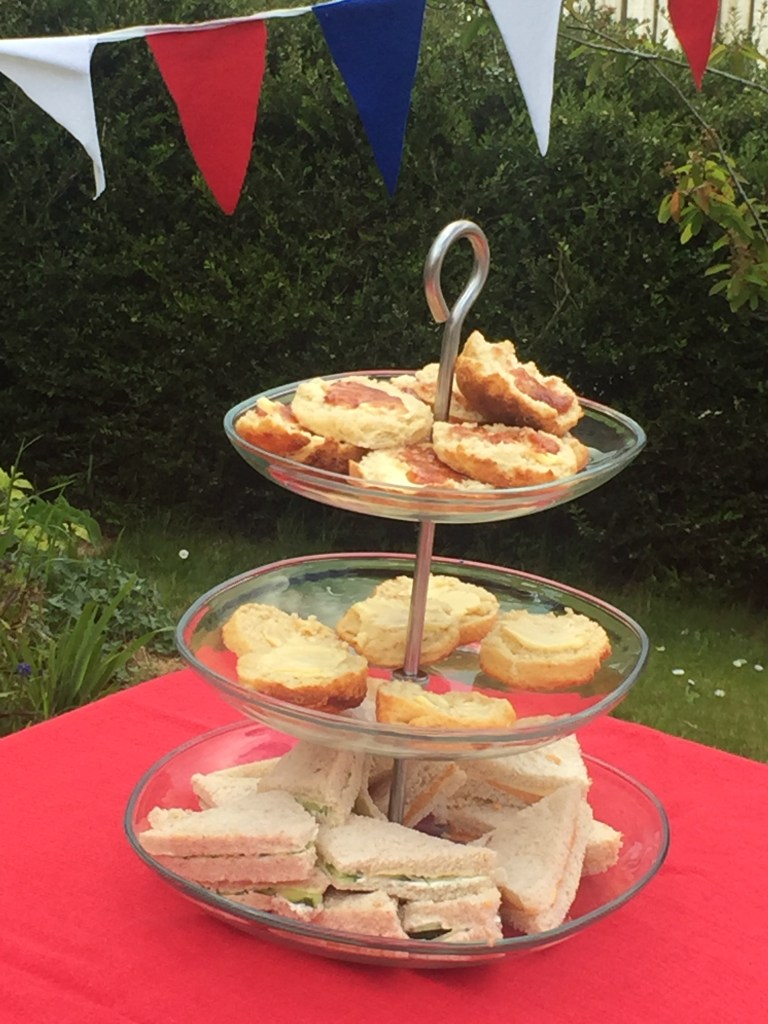
First of all I baked: cheese scones, banana loaf and some jam tarts (like the Queen of Hearts)….I made some cucumber sandwiches too.

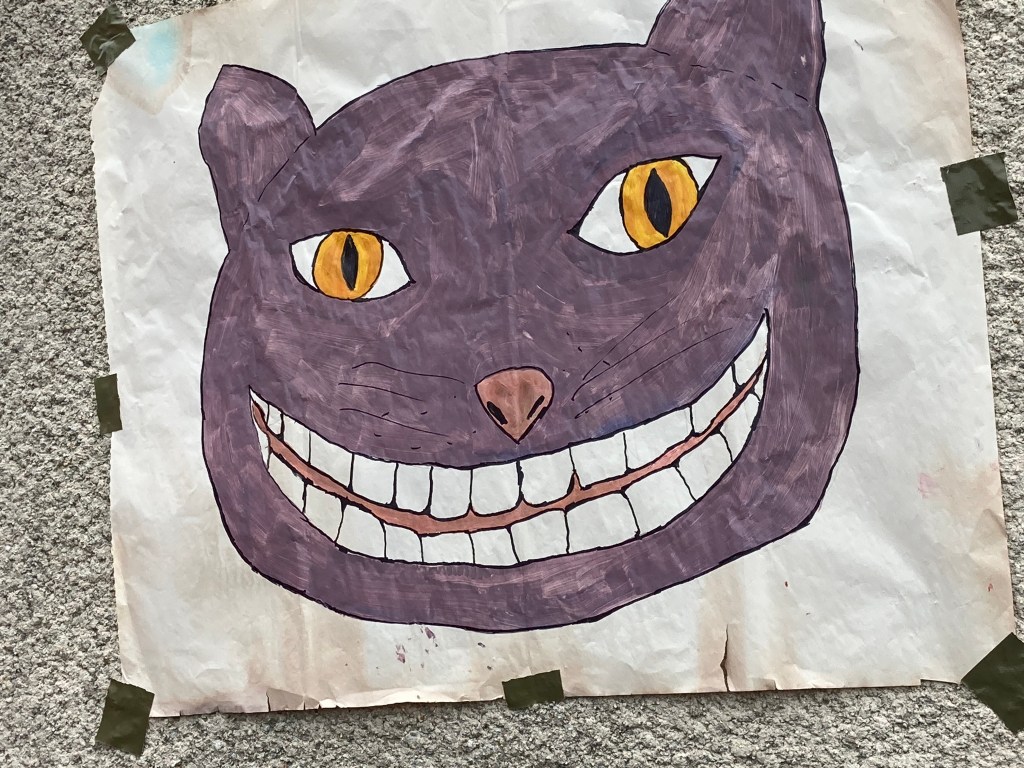
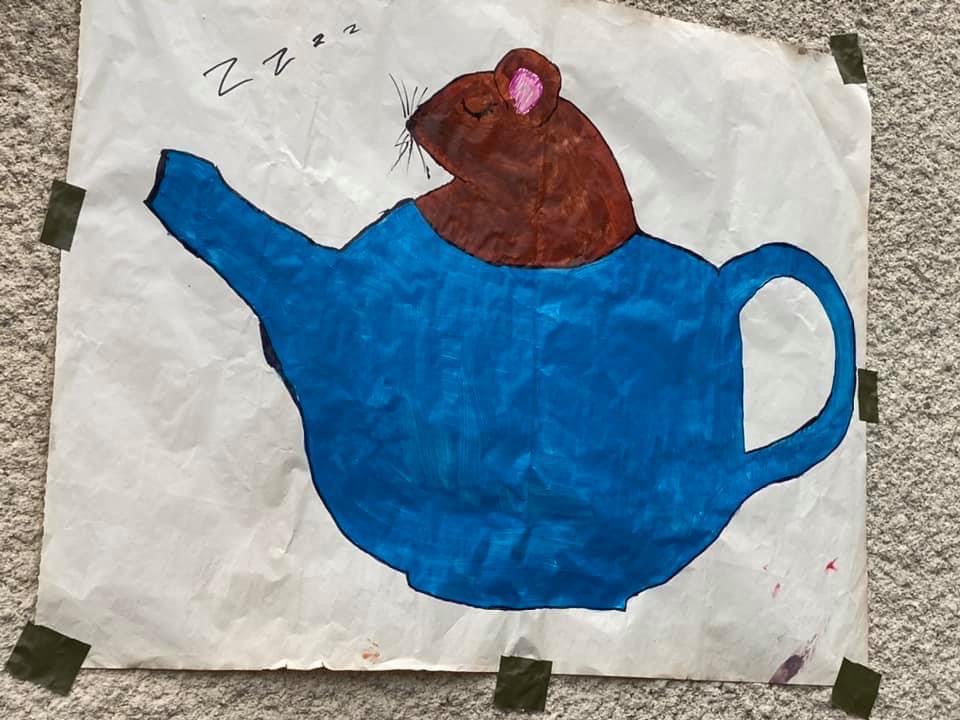
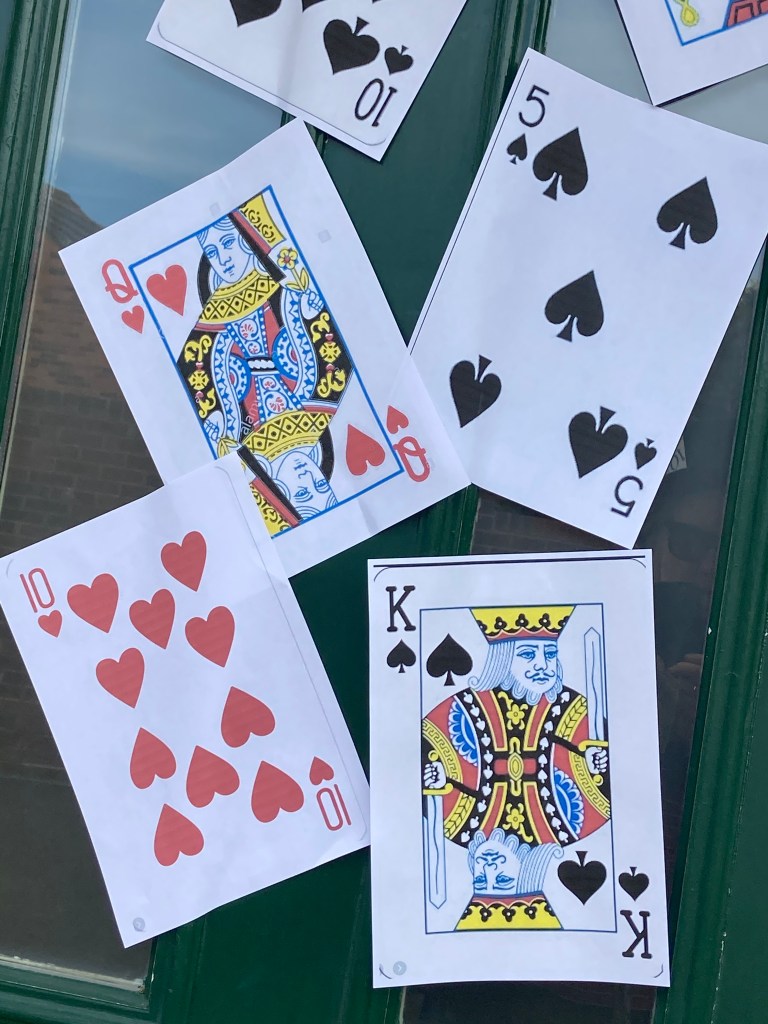
Next, I painted some posters of characters from Alice in Wonderland and printed off some giant playing cards (thank you Google Images) to decorate the front of the house.

All served up with Pimms from a teapot and beer! The sun shone and what a lovely afternoon it was!

Posted in Uncategorized

Wildflower of the Week: Cow Parsley

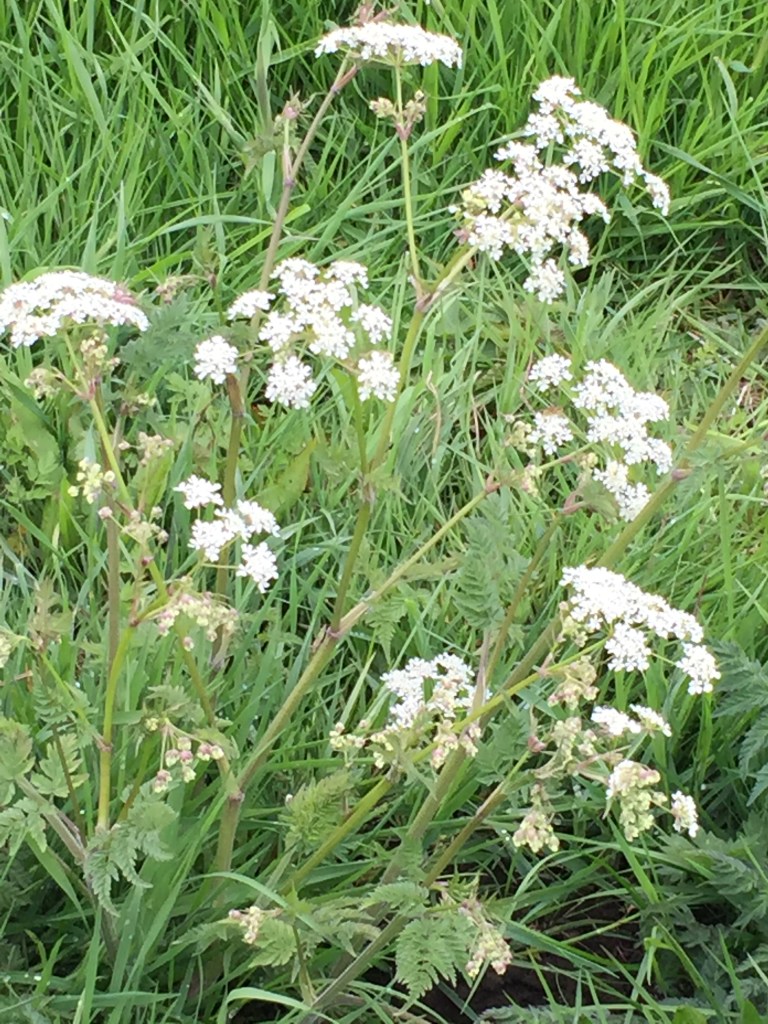
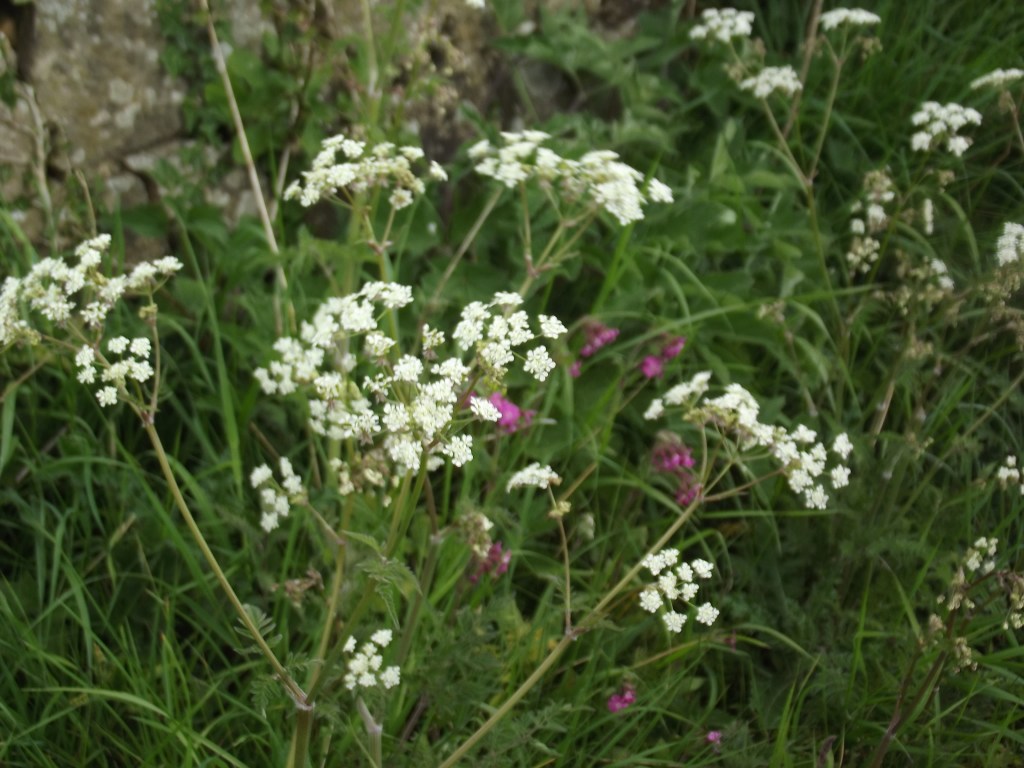
From April to June our hedgerows, road verges and meadows are filled with the frothy white flowers of cow parsley. It is the earliest to flower and one of the most common of a large plant family, the umbellifers, which all have similar shaped flower clusters or umbels, made up of tiny individual flowers on stems radiating from a single point in a sort of umbrella shape. The family includes several food plants and culinary herbs, including carrot, celery and and parsley, but also some extremely poisonous species such as hemlock and fools parsley and also hogweed which has a highly irritant sap that can cause quite severe burns.

The flowers are carried on metre high hollow stems. As they appear quite early in the year, they are are a great food source of both pollen and nectar for insects.

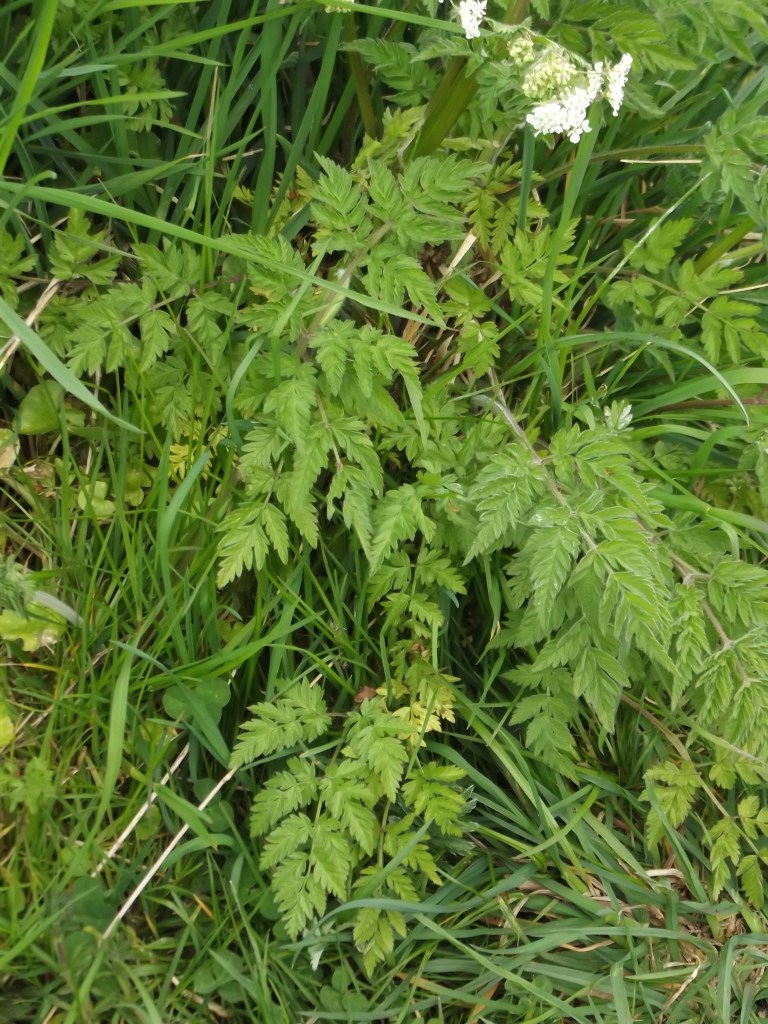
The leaves are arranged alternately along the stems and are fern-like: triangular and finally divided. When crushed they smell of aniseed.

Cow parsley spreads rapidly, producing large quantities of seed and also though spreading rhizomes. It is on the increase in the UK. Like the nettle, it enjoys fertile soil and increased agricultural fertiliser use has benefited it. This may be to the detriment of smaller plants that become smothered out by the taller cow parsley. It is considered an invasive species in parts of the US.

The plant has a variety of old names. including hedge parsley, wild chervil, keck, lady’s lace and Queen Anne’s lace. In some parts of the UK it has the rather gruesome name of mother die or mummy die. Children would be told they would lose their mothers if they brought it in the house – to deter them from picking it and the highly poisonous hemlock that it resembles.

Though cow parsley is edible, eating it or using it medicinally is not to be encouraged in case it is mistaken for its deadly relative. It has also been used as a mosquito repellent.

The lacy flowers certainly make very pretty addition to our hedgerows in late spring and early summer.

Posted in Uncategorized

Wildflower of the week: White Dead-Nettle

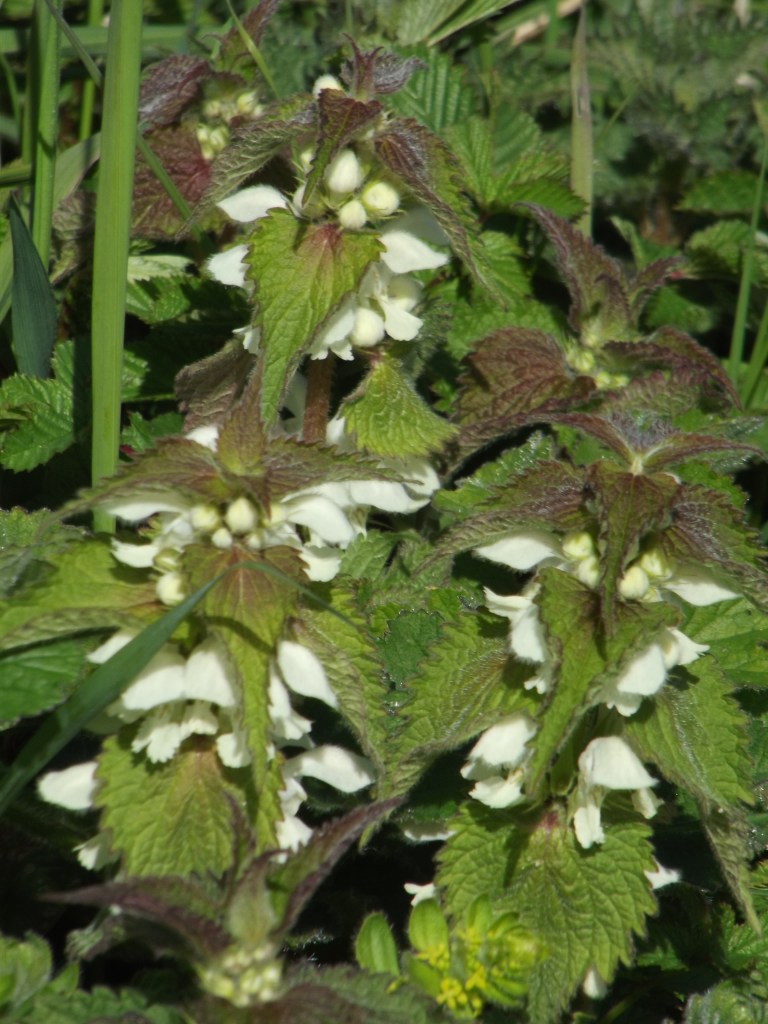
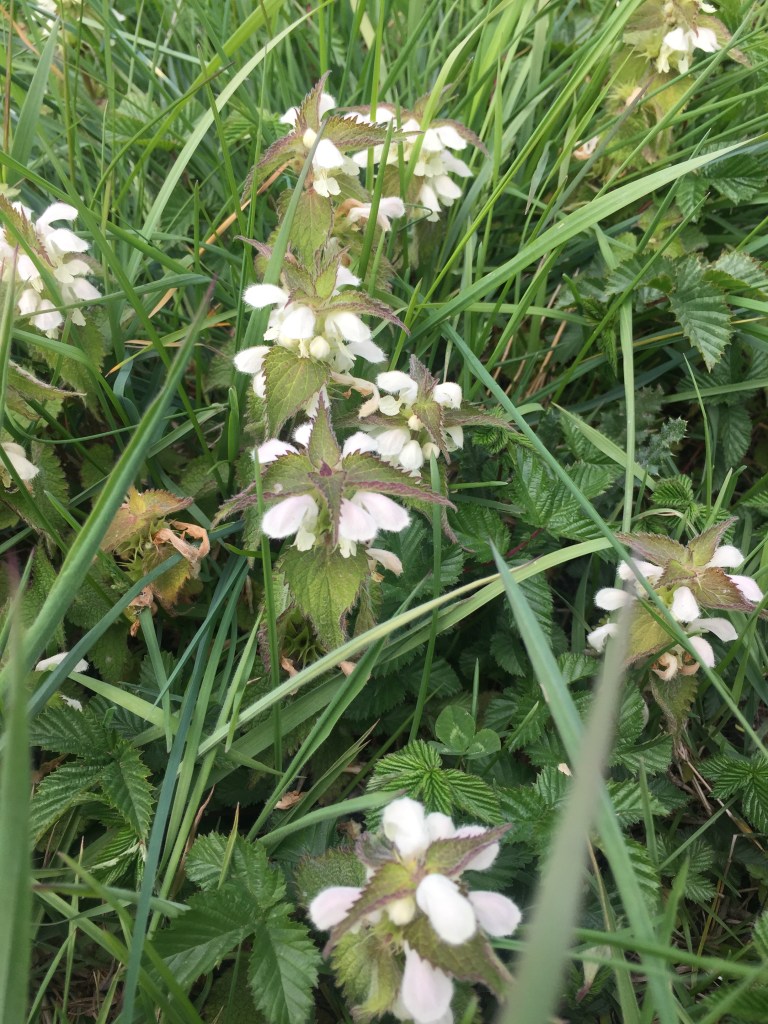
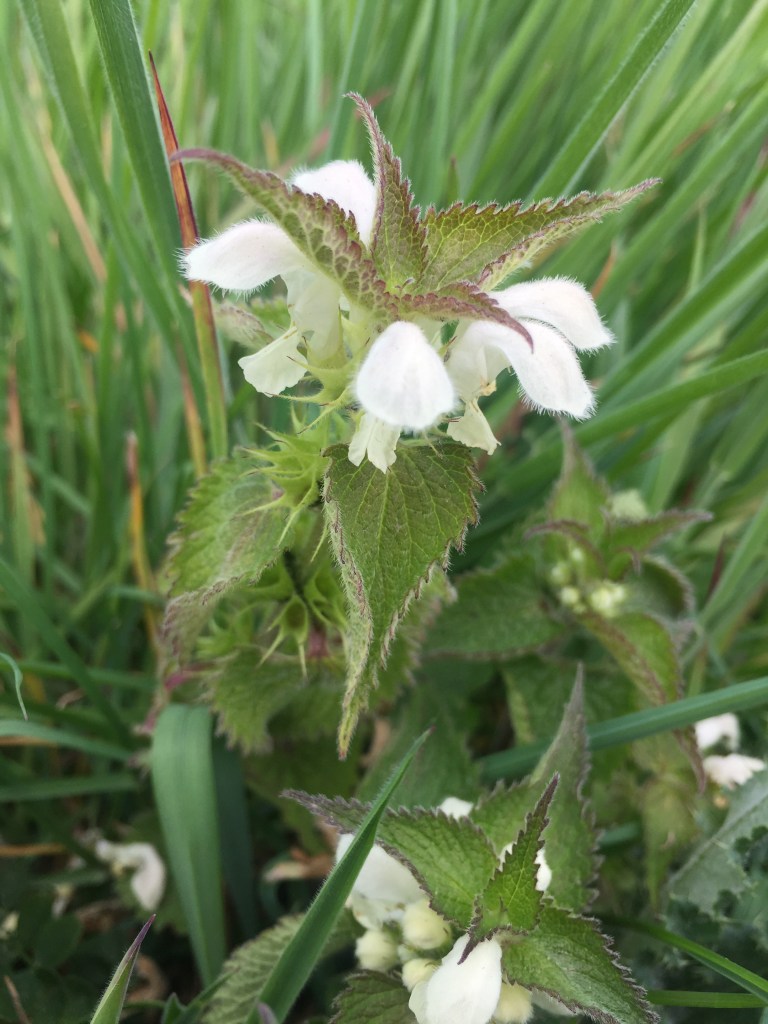
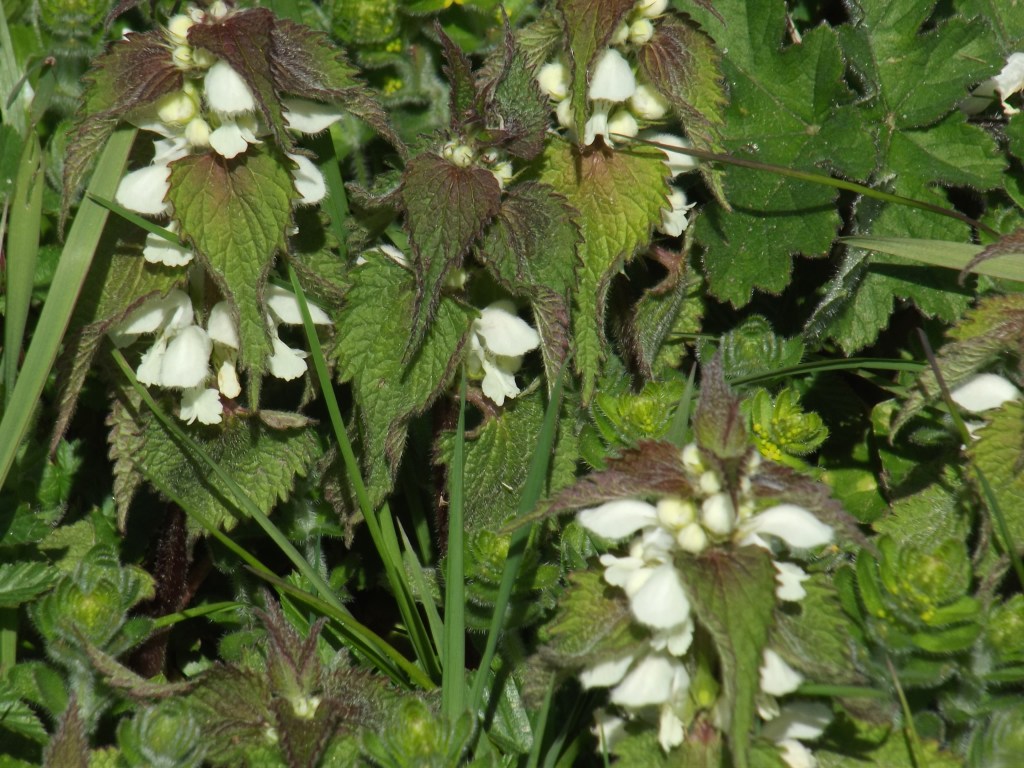
Commonly seen on road verges and on disturbed land, the white dead-nettle resembles the stinging nettle, but, as its name suggests, has no sting. It is a short to medium height perennial. The leaves (closely resembling those of its stinging relative) are heavily veined, toothed, slightly hairy and heart-shaped, arranged in pairs on square, often reddish stems.

The flowers form in whorls round the stems immediately above each pair of leaves. They are lipped and white, slightly tinged with green. A rich source of nectar, the flowers are popular with insects, especially bumblebees. The blooms have evolved to be pollinated by the larger bees – only they have a long enough proboscis to reach the base of the flower where the nectar is and they are the perfect size for their backs to brush against the stamens and stigma of the flower, depositing and collecting pollen as they feed. The nectar is protected by a ring of hairs that stop smaller insects crawling inside, though some reach the nectar by cheating: they bite a hole in the base of the flower!

As the flowers die the calyx of each remains, forming a spiky cup that holds the developing seed.

White dead-nettle’s popularity with bees gave it one of its old names, the bee nettle. It is also known as white archangel as it was said to come into flower around the feast day of Michael the Archangel. From a certain angle the stamens resemble two human figures and this gave rise to the name Adam-and-Eve-in-the-bower.

The flowers and young shoots can be used in salads or the leaves cooked as a vegetable. Traditional medicinal uses for the plant were for staunching wounds, curing haemorrhage, reducing excessive menstrual bleeding, and also as a tonic to lift the spirits.

White dead-nettle has been in bloom since March and will continue until Autumn

Posted in Uncategorized

Scone of the Week Stays At Home

I’ve mentioned before that my street has been organising various activities to keep people amused during lockdown – we’ve been putting things in our windows and front gardens for people, especially children, to spot during daily exercise. First it was frogs, then scarecrows. Last week we had to put something in our windows from a country we’d visited and add the flag to reveal the identity of the country at the end of the week. This week was all things red, white and blue, for the 75th anniversary of VE Day, culminating with a socially distanced street party today, where we all sat in our front gardens for food, drink and a bit of distant socialising with our neighbours.

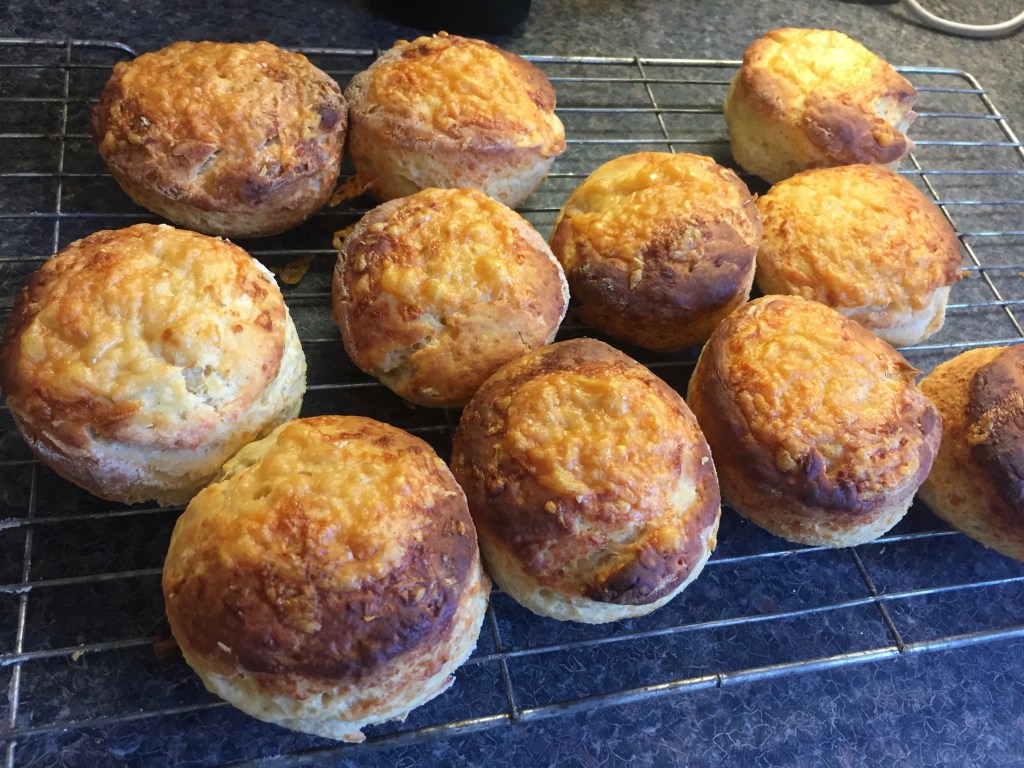
Of course you have to have a bit of home baking at a street party so yesterday I made scones (my favourite cheese ones of course) I do like baking, but can’t stand for long periods so I always do the ‘rubbing in” part of making scones or pastry in a food processor to save time. My go to cheese scone recipe is adapted from a Delia Smith one, but I add extra cheese, both to the dough and sprinkled on top of the scones before they go in the oven – I use a mixture of cheddar and parmesan. I was pleased with how they turned out.

I had a couple while they were still warm, with plenty of butter of course and they were lovely – really cheesy with a little bit of a spicy bite (I add English mustard powder and a pinch of cayenne pepper to the dough). Son and I delivered a few to my Mum. We are both missing our regular Scone of the Week jaunts to local cafes so there was no way she was missing out on these!

I also made some bunting to decorate the front of the house – I just made a template and used it to cut triangles from some old t-shirts (I found a red one, a white one and a blue one). T-shirt fabric doesn’t really fray so I didn’t need to hem them and I just machine stitched them to some tape, a couple of inches apart.

Today I thought I’d make some plain scones to go with our street party feast (to serve with butter and strawberry jam). I also made some little cucumber sandwiches (triangles with the crusts cut off of course). K had bought a jar of Shipphams salmon paste as he thought that was suitably retro so I made some sandwiches with that too, and , after I’d buttered the cheese scones too, our feast was assembled

Out came the teapot and cups and saucers, but we mixed a jug of Pimms and put that in the teapot! We had a great afternoon enjoying our food and drink and chatting with the neighbours. After the more sombre remembrance of those who died in the war in observing two minutes silence this morning, it was lovely to remember the celebrations that marked the end of hostilities in Europe, even if it was at a distance.

Have you taken part in any VE Day commemorations?