Posted in Uncategorized

Making The Most Of Nature’s Harvest: Spiced Apple Chutney

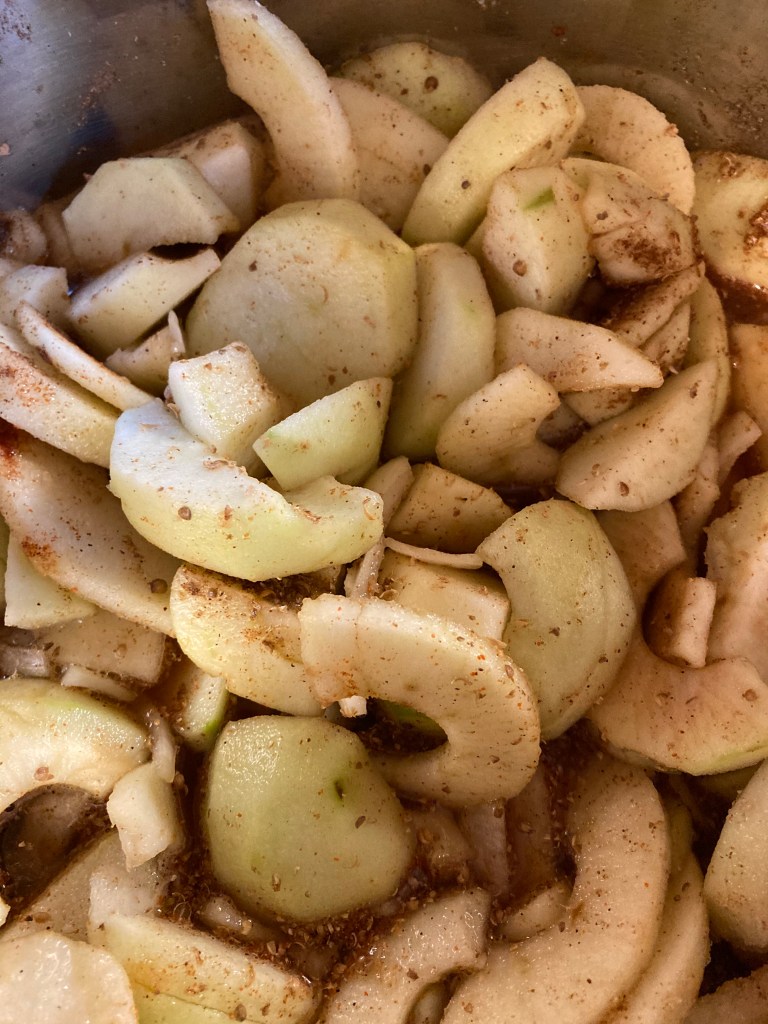
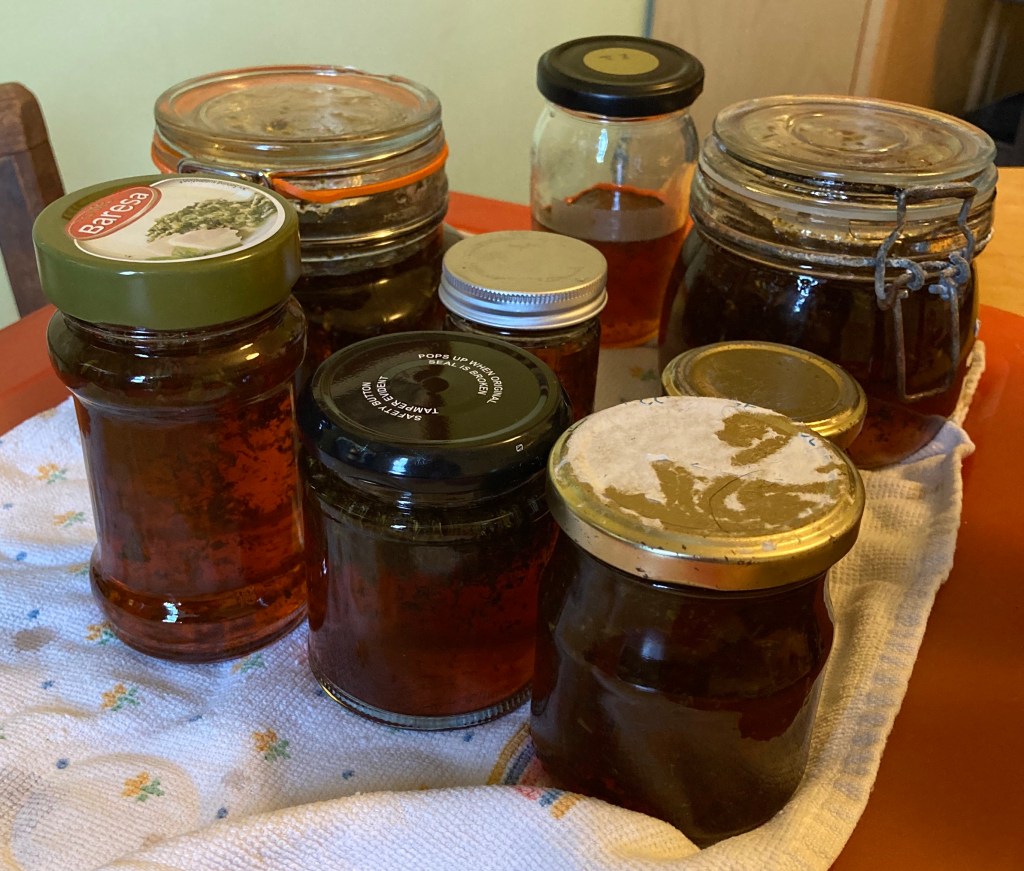
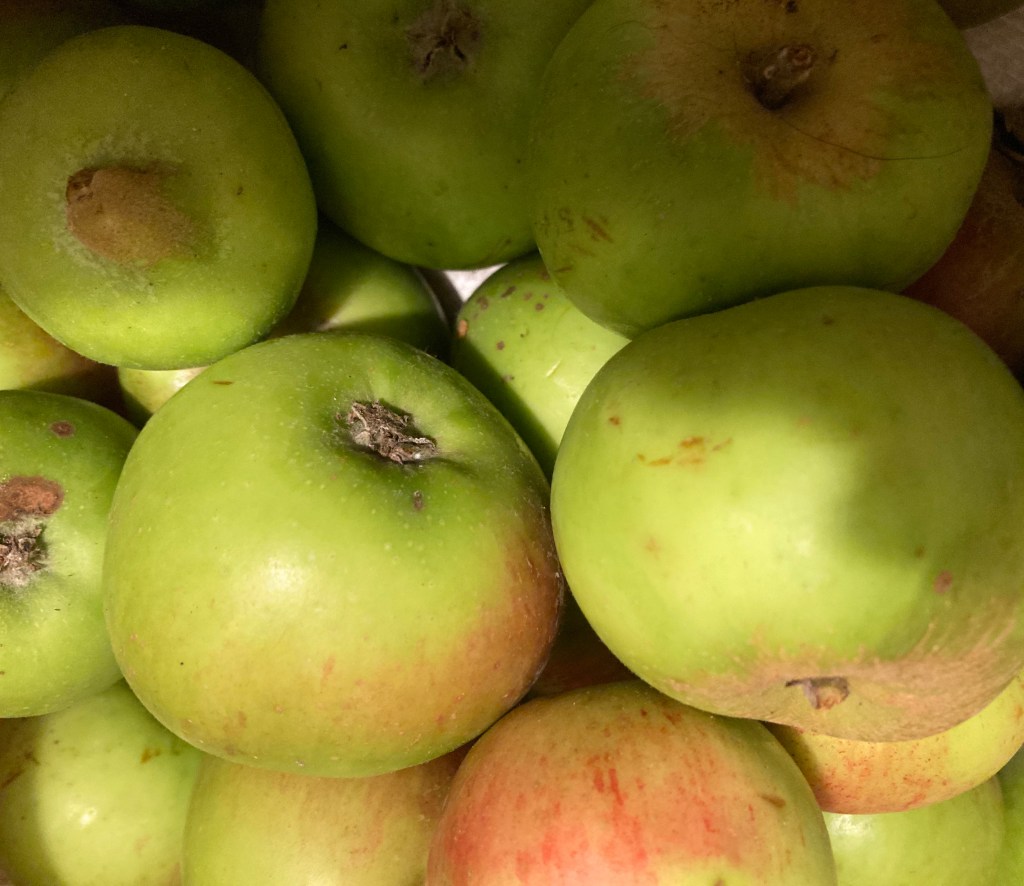
I’m working my way through the huge bag of apples from my mothers overladen tree. The next project was this spiced apple chutney. I used this recipe from the BBC Food website. I realised that I had no sultanas or raisins so just left them out.

We have this apple prep tool that is supposed to peel, core and slice the apples. It’s fiddly and the peeling blade is lethally sharp: it gave K a nasty cut a while back, but he nobly set to work preparing the apples.

Ingredients

  • 225g/8oz onions, chopped
  • 900g/2lb apples, cored and chopped
  • 110g/4oz sultanas, raisins or chopped dates
  • 15g/½oz ground coriander
  • 15g/½oz paprika
  • 15g/½oz mixed spice
  • 15g/½oz salt
  • 340g/12oz granulated sugar
  • 425ml/¾ pints malt vinegar

I doubled the quantities (there are a lot of apples to use) and simply simmered all the ingredients together for a couple of hours, stirring occasionally.
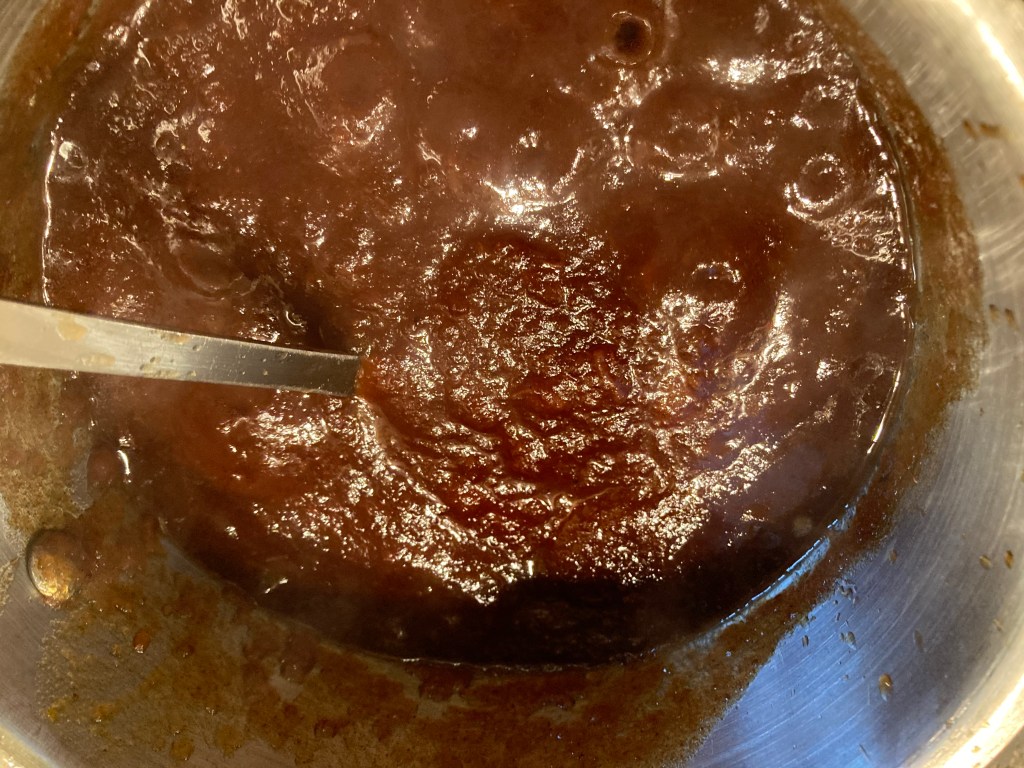
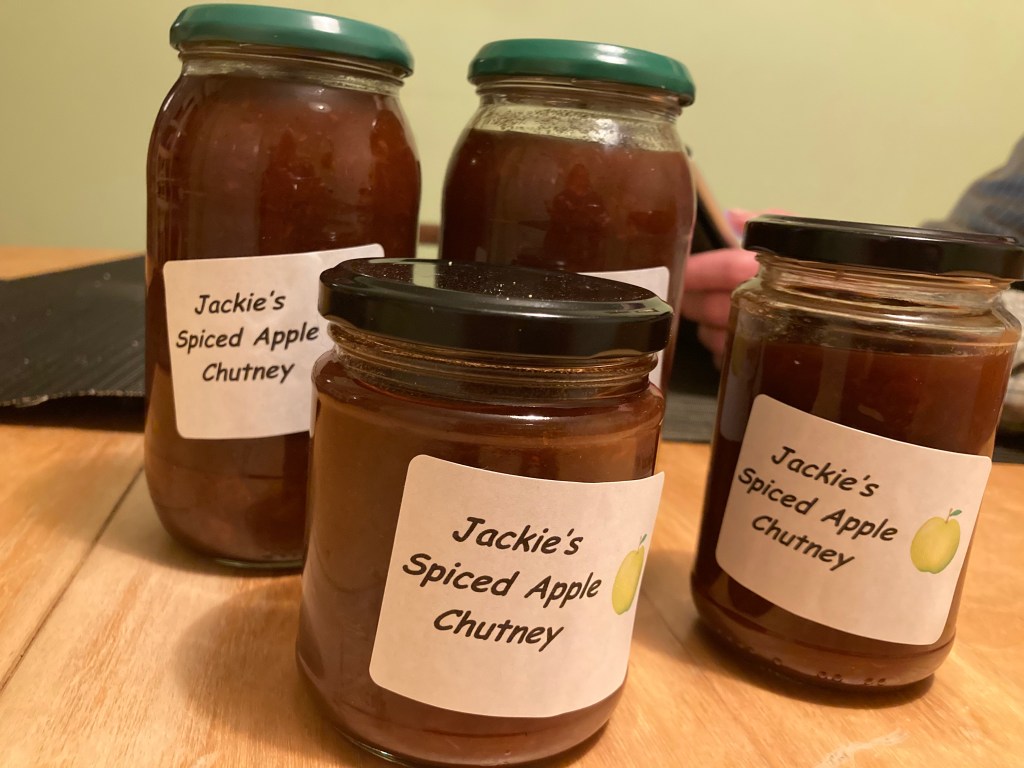
By this time the apples had all broken down and the onions were very soft, but there was still a lot of liquid to reduce down. The recipe specified a thicker mixture at this stage but I figured there was enough pectin from the apples to help the chutney set a little bit, so went ahead and poured it into sterilised jars. I ended up with far less than the amount the recipe said: I’d made the equivalent of about 6 jars instead of 8-12. It tastes ok. not over-spicy and the flavour will improve. It really needs a couple of months for the flavour to develop.

This recipe is a good one with cheese. I use a lot of chutney – especially with cheese in a sandwich, so this should be perfect.
What’s your favourite chutney recipe?
Posted in Uncategorized

Knitting At The Beach Again

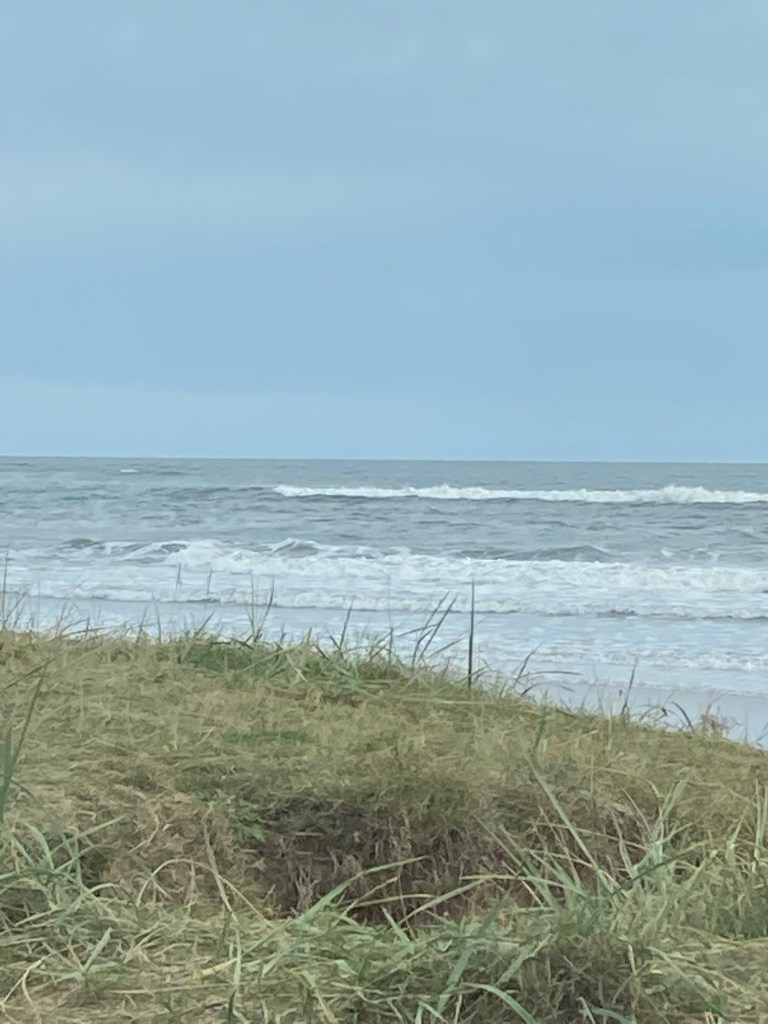
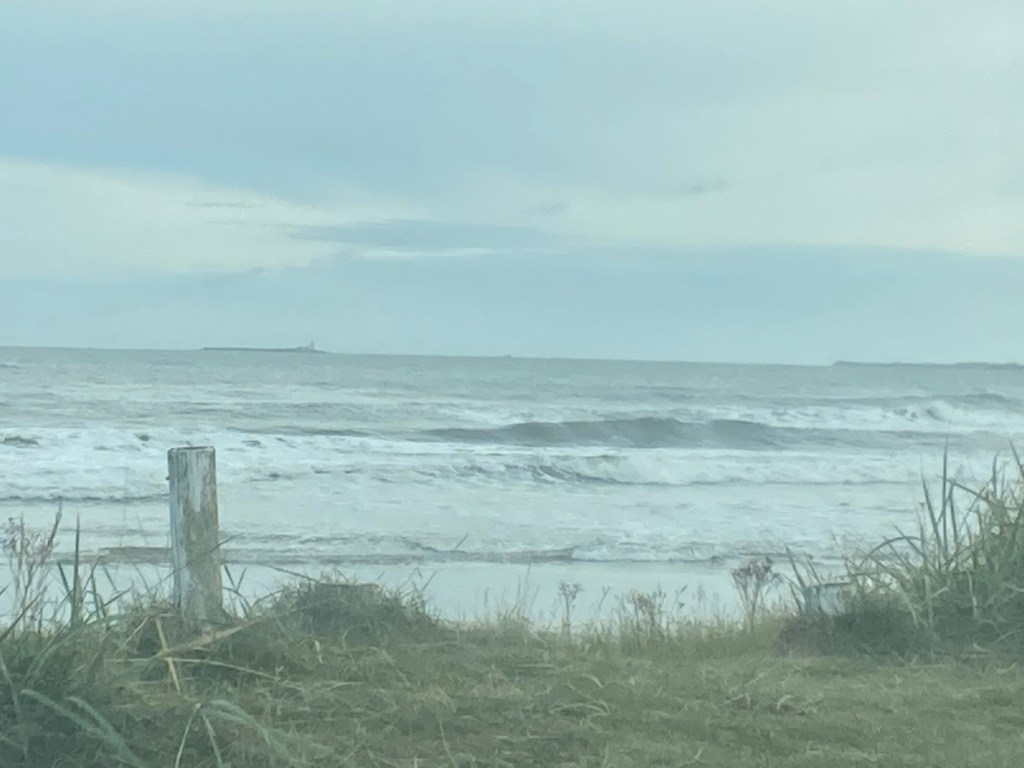
As autumn has arrived and the holidaymakers have gone home, our lovely Northumbrian beaches are quieter again. We were at Alnmouth yesterday for the first time in ages and it was so good to be back with my favourite knitting view of Coquet Island.

For a while it’s been too busy to find a parking space. Also, when the weather is good and the picnickers are about, Buddy the Labrador thinks the beach is one massive buffet for his personal enjoyment! Not that I really resent the tourists. They have given the local businesses, including cafes, restaurants, pubs and hotels, such a boost since the COVID lockdown, hopefully enough to continue trading, so we can support them during the coming months. Not that that is happening much. We are in a local lockdown here in North East England, following a surge in Coronavirus cases, so we can only visit such places with the people we live with.

One change I did notice was that there is now a gate on the car park at Alnmouth Beach. Locals reported that a number of camper vans were “wild”camping there and leaving large amounts of rubbish behind. The same was happening at nearby Buston Links. The landowner has installed bollards to block the lane there to vehicles , which has not gone down well with people who go there to walk their dogs.

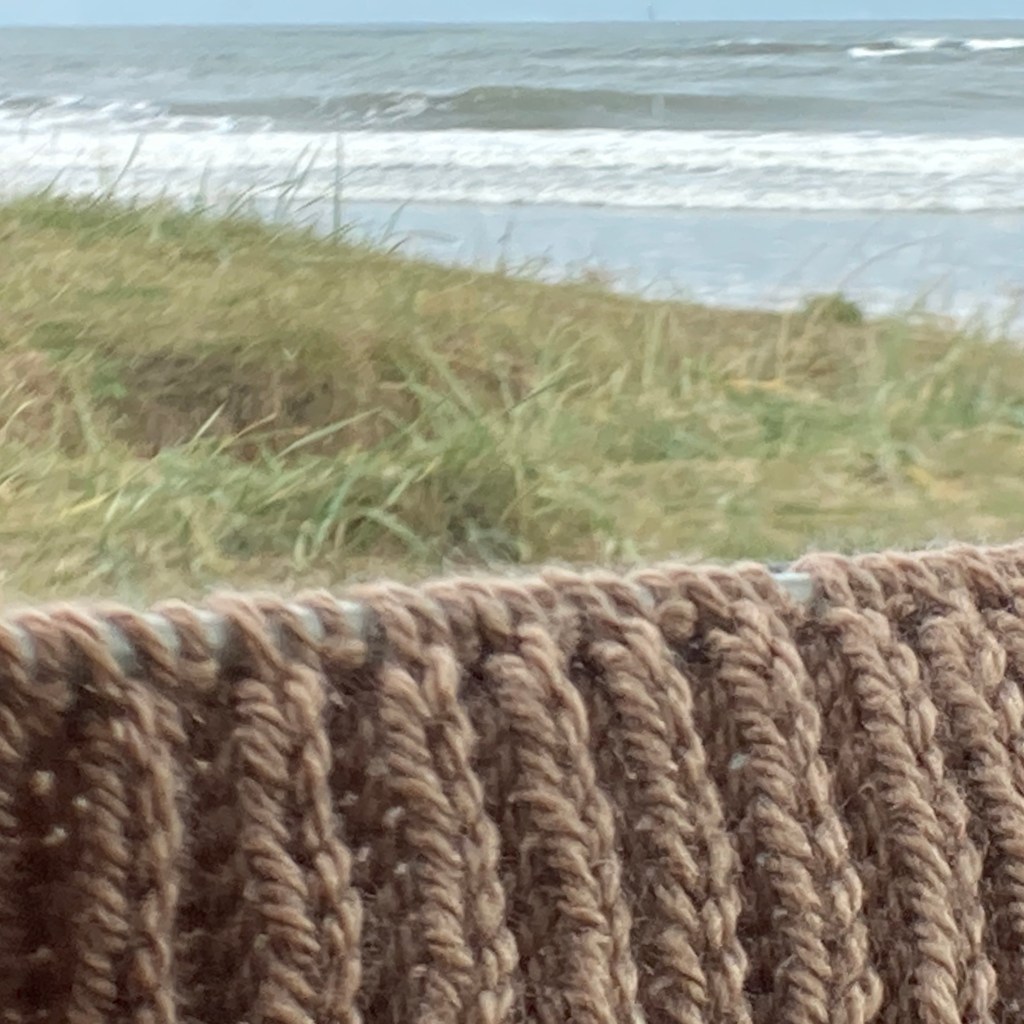
While K, son and Buddy went for a walk I got on with the brioche hand warmers I began to knit earlier in the week.

The sea was quite rough, so it was distracting watching the breaking waves. I am always mesmerised by the sea.

There were still lots of people about, but it wasn’t picnic weather so Buddy got a good run off his lead. When the boys returned at the end of the walk we treated ourselves to an ice cream from Gwen’s van. I do love knitting with a view, especially a sea view.

Posted in Uncategorized

Making the Most of Nature’s Harvest: Sloe Picking (With a Bit of Knitting)

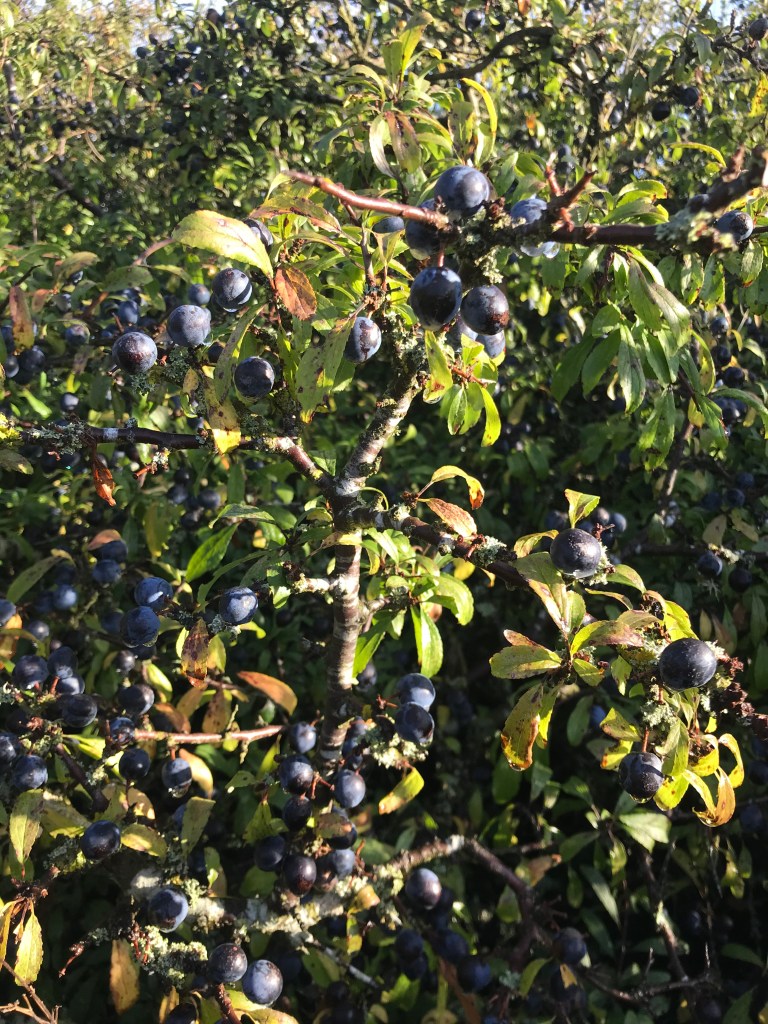
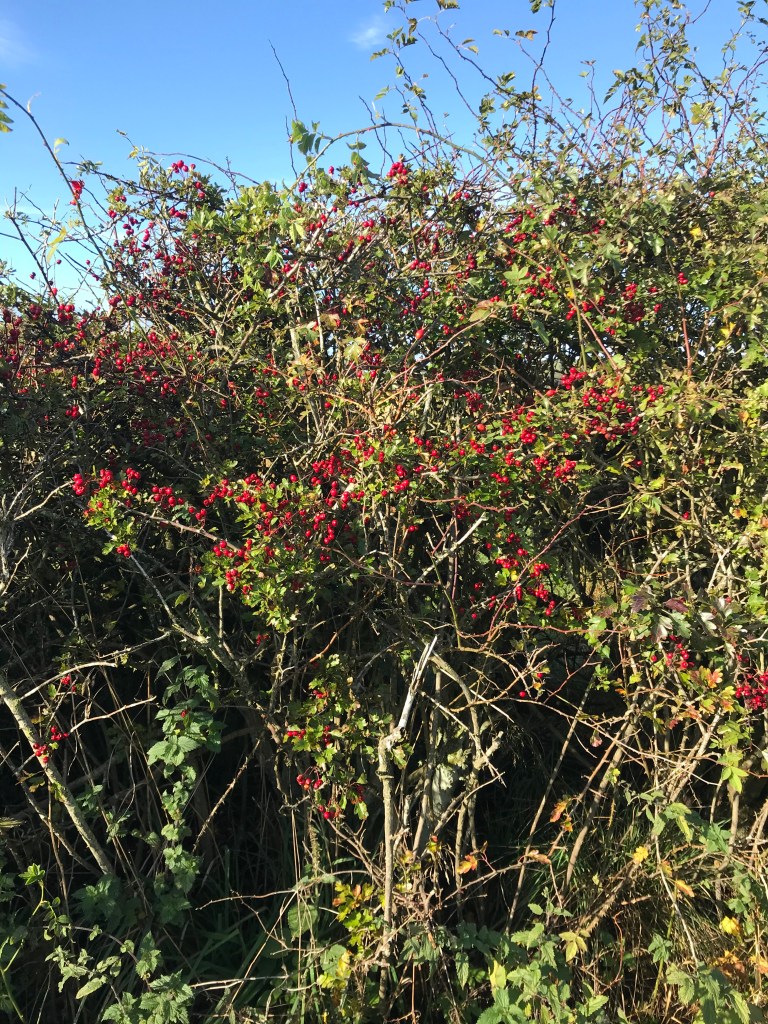
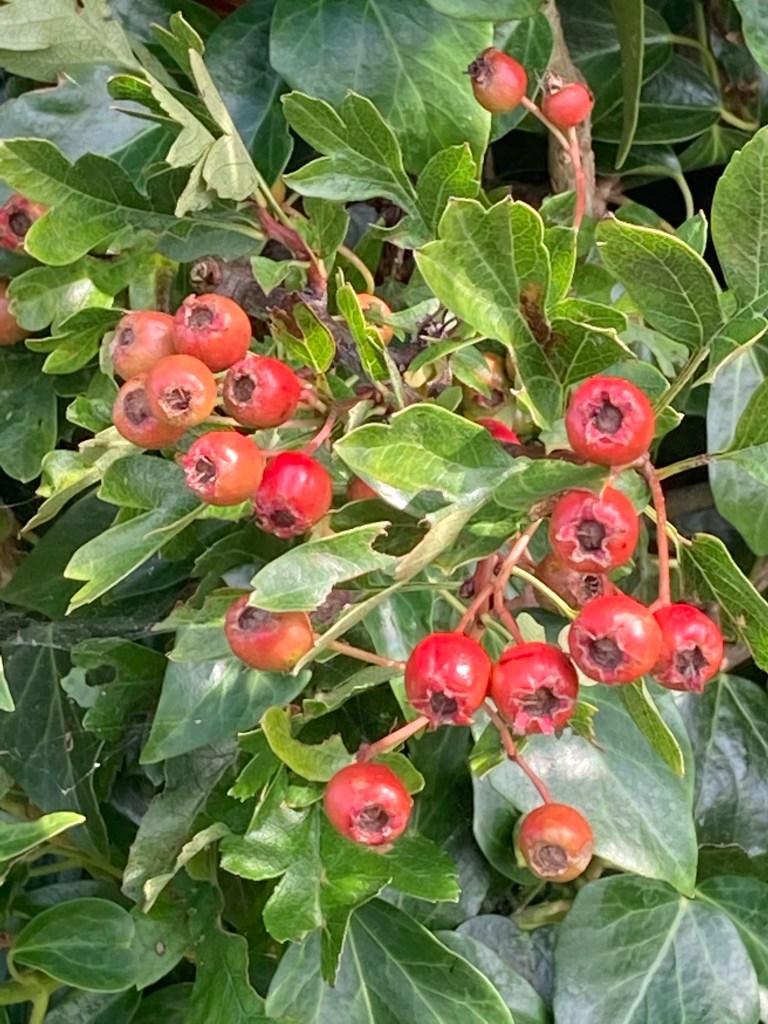
Yesterday morning was beautiful. We found ourselves close to what we refer to as The Sloe Motherlode. On a quiet lane up to a farm, there is a wide verge full of blackthorn bushes. Autumn berries have been profuse everywhere. Down here there were also spectacular hawthorn bushes…

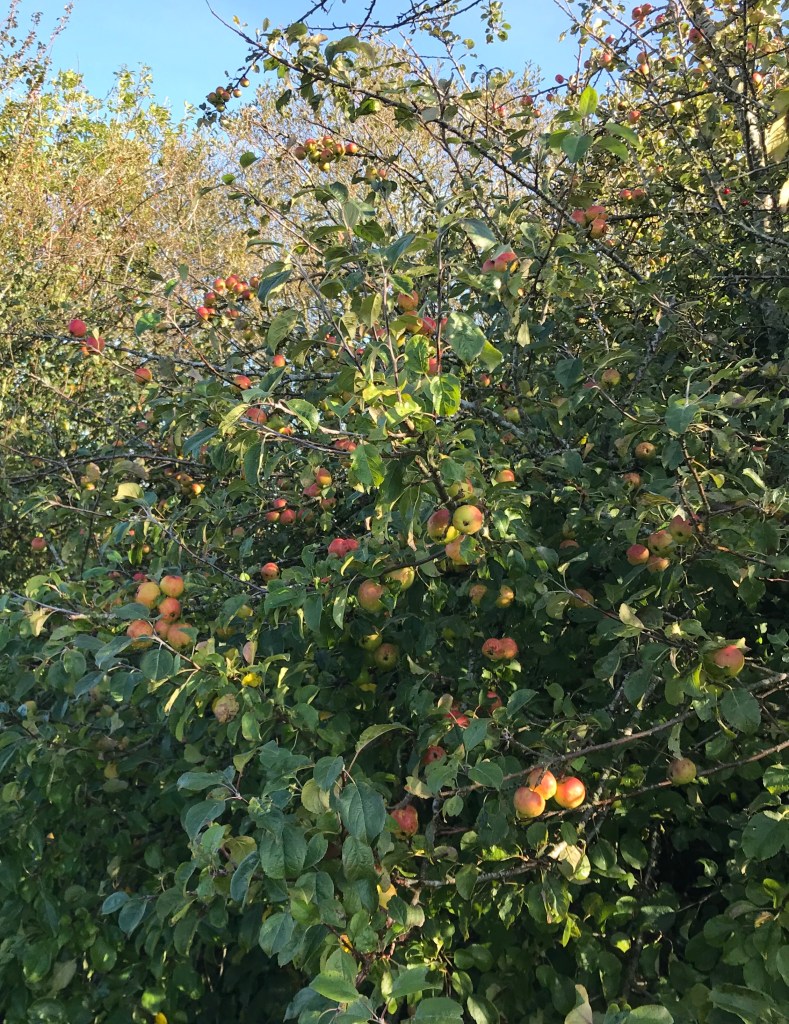
… a tree laden with crab apples…

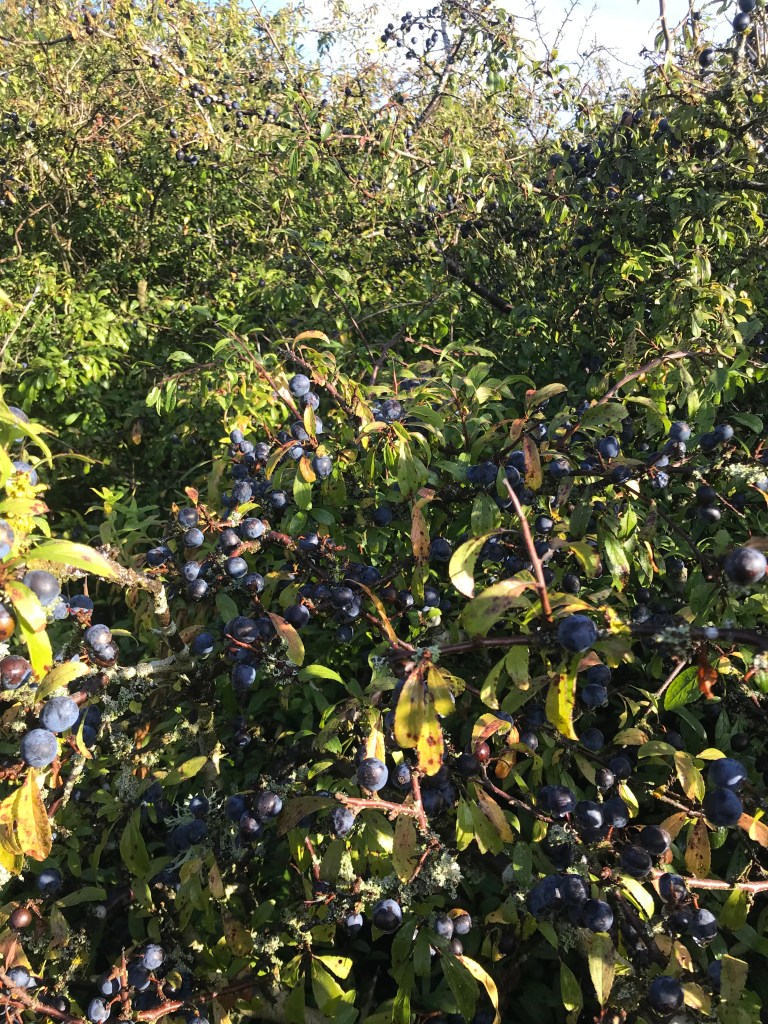
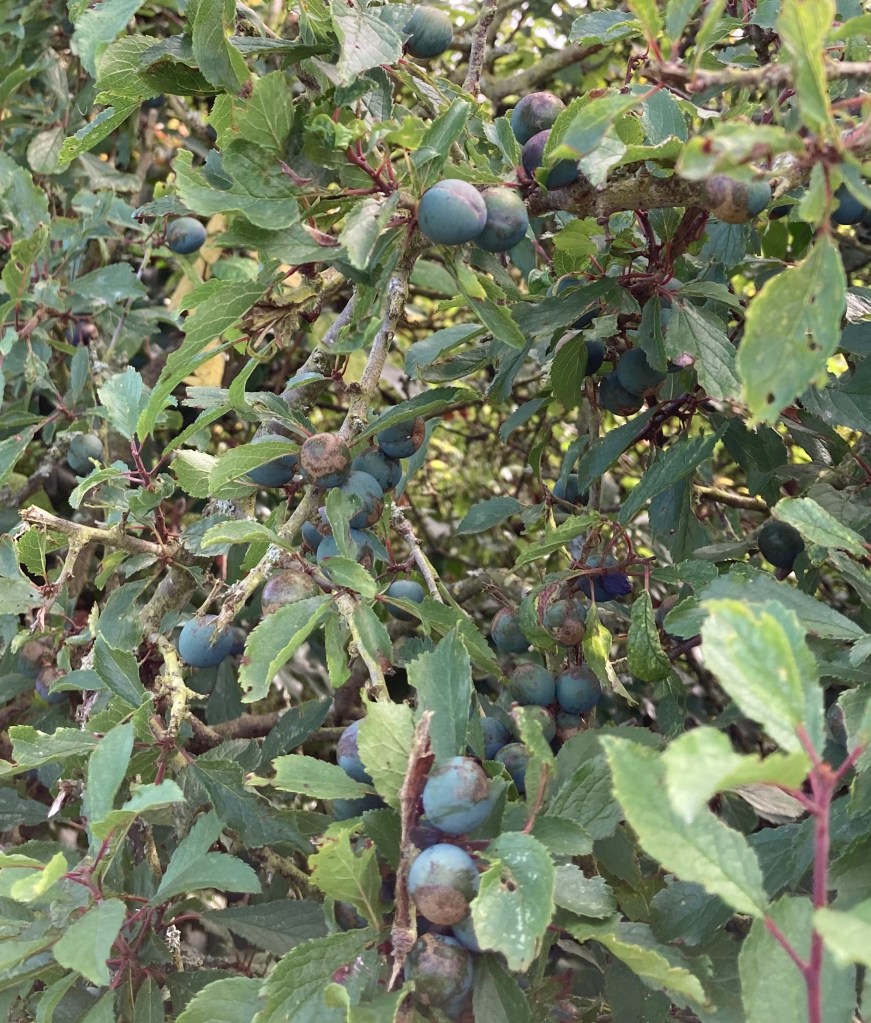
…and a massive crop of sloes

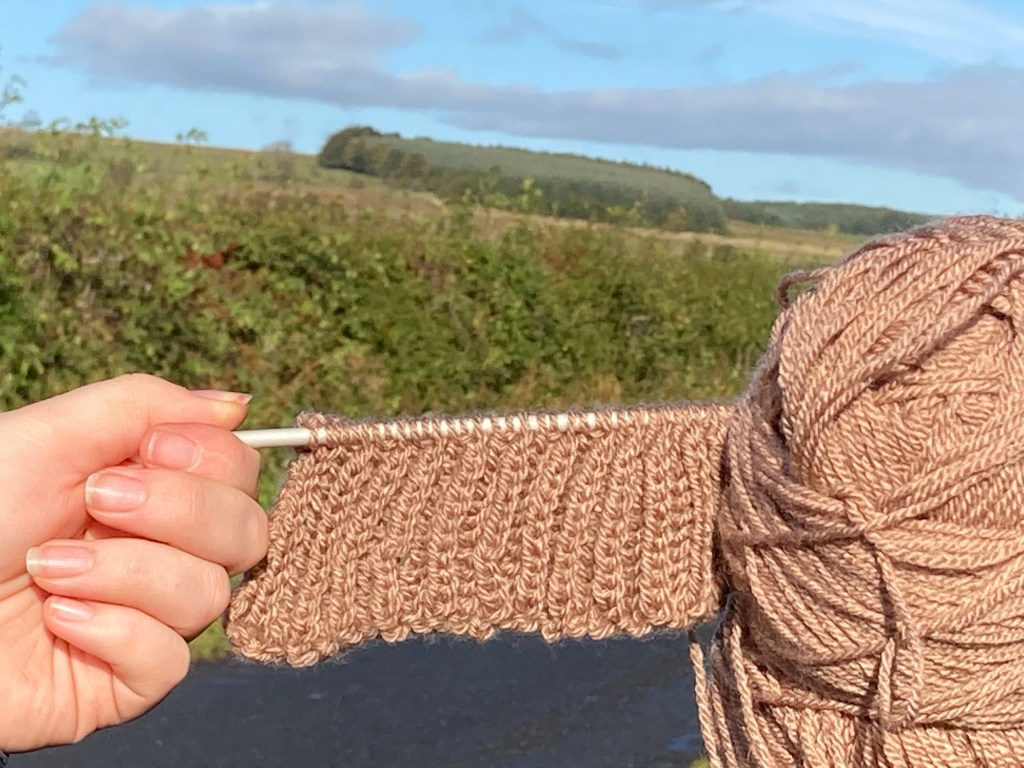
K went off to pick fruit while I sat in the car with my knitting. I made some 2 colour brioche hand warmers for myself earlier this year. With winter approaching, K has requested some to keep his hands warm when he’s sea fishing – he needs to keep his fingers free to tie lures. I chose a machine washable acrylic yarn in a neutral fawn shade. I think the soft squishy texture of brioche will be really cosy. I cast on this project at the beginning of the week so I have something portable for knitting on the go.

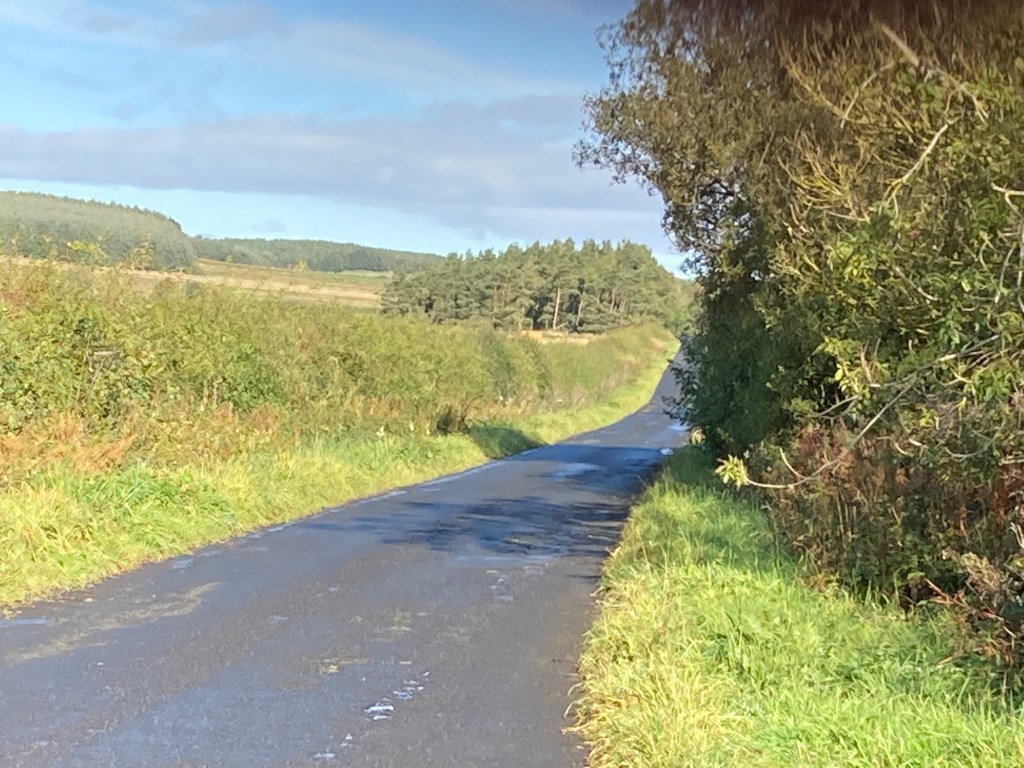
The view was great. Of course I can’t disclose the location. Friends in the area know where it is but we have to protect our sloe source!

In a matter of minutes, K had returned with over 3 pounds of sloes. He got most of them standing on the same spot as the bushes were covered with fruit. I didn’t get much knitting done at all!

The sloes have gone in the freezer, ready to make sloe gin. Some say that sloes shouldn’t be picked until after the first frosts. Ironically there was a frost this morning., Ripeness is not an issue but freezing causes the berry skins to split so they give up their juice easily when they steep with the gin and sugar. We’ve only just bottled the drink we made with last year’s harvest. You could say it’s a sloe process!

Not a bad way to spend a morning!

Posted in Uncategorized

Making the Most of Nature’s Harvest: Apple and Mint Jelly

I had another go at using up some of glut of cooking apples this week. With pies in the freezer and Bramble and Apple Gin infusing, it was hard to decide what to do next (I still have bramble and apple jam left from last year so no point in doing that). Apples are rich in pectin, which is what makes jams and jellies set, so going down the jelly route seemed like the obvious thing to do. With large clumps of apple mint in the garden, ready to be cut back, I decided to go for apple and mint jelly. Apple mint has a more delicate flavour than garden mint (we have none of that!), I was hoping that the mint flavour wouldn’t be lost altogether.

I used this recipe from The Cottage Smallholder.

  • 1.8 kilos (4 pounds) of cooking apples (Bramleys are ideal).
  • 20g (3/4 ounce or 3/4 cup) bunch of mint tied with string
  • 50g (1 3/4 ounces or 2 cups) of mint leaves chopped fine
  • 570ml / 1 UK pint (2 1/2 cups) of water
  • 570ml / 1 UK pint (2 1/2 cups) of white wine vinegar
  • Sugar at a ratio of 454g (1 pound) to 570ml of liquid – a pound to a UK pint of liquid (2 1/2 cups)

There’s a bit of maths involved in calculating the exact amount of vinegar and sugar involved after the juice is extracted. The online recipe gives instructions for both using a fruit steamer and a jelly bag to extract the juice. I used my trusty, bramble-stained jelly bag.

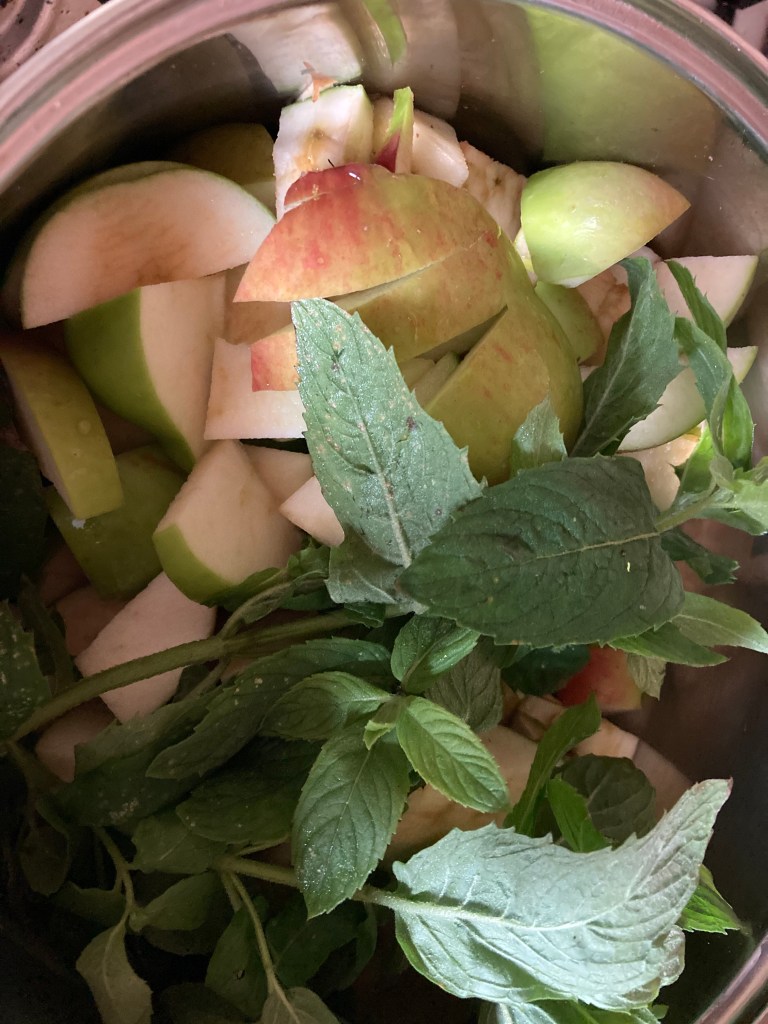
You start off roughly chopping the apples. No coring or peeling is needed as those parts of the apple have loads of pectin – I just removed the stalks and any bruised bits. The apple went into a big pan with a load of mint springs.

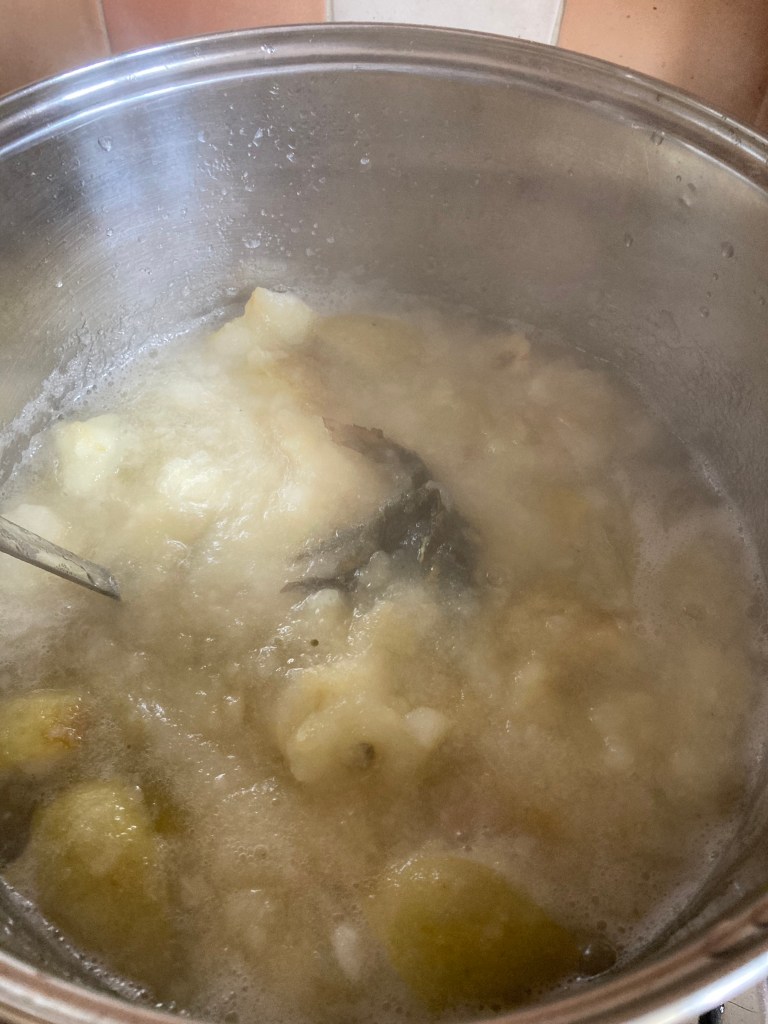
I added a pint of water, brought to the boil and simmered until the apple had all reduced to a fluffy pulp.

The pan contents were poured into the jelly bag, suspended over a bowl to catch the juice. I weighed the pulp down with a saucer and a bottle of vinegar, to press out as much of the juice as possible and left it to drip through overnight.

I’d used a little more than the prescribed amount of apples and managed to extract just over a litre of juice. I added 4/5 of this quantity in vinegar and calculated the amount of sugar in line with the recipe. The liquid and sugar were added to a large pan and brought to a rolling boil for 20 minutes, then I began checking for a set. I had been concerned that the juice I’d extracted was quite cloudy, but during the boiling stage I skimmed of any scum that formed on the surface – the resulting liquid was very clear.

I use the cold saucer method – a couple of saucers go in the freezer when you start, then you keep dropping a little of the hot mixture on a cold saucer until it wrinkle slightly when you push it with your finger. I repeated the test every couple of minutes, alternating the saucers and replacing them in the freezer. It took another 10 minutes of boiling before I got a set. After 10 minutes I stirred in the finely chopped mint. I also added some green food colouring, but this was making so little difference to the colour of the liquid that I gave up. I poured the jelly nto sterilised jars and sealed them.

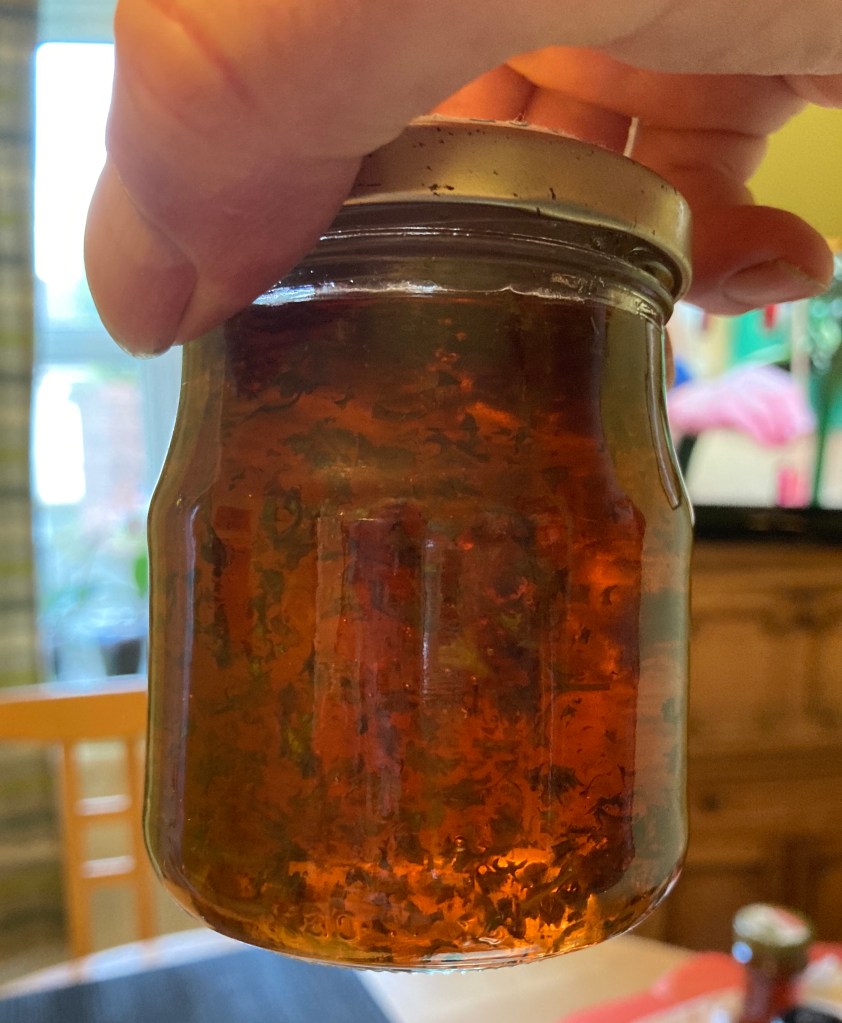
I really should have left the liquid a little longer. The mint floated to the top in the jars. I waited a little longer then shook the jars – this time setting had started just enough to keep the mint evenly suspended. The set jelly seems to gather round the mint fragments. If I’d left it any longer the air bubbles from shaking would have stayed in the jelly rather than floating to the surface.

I ended up with 12 jars of various sizes. Some of these I’ve already given away to neighbours in return for their empty jars for my next preserving project. As I predicted, the jelly is not strongly minty, but still tasty. What’s your favourite jelly recipe?
Posted in Uncategorized

Goodbye Guitar

We’ve been trying to have a clear out. I’m a bit of a hoarder so it’s hard. My old guitar is a case in point

I got it for Christmas one year when I was a child. I’d had piano lessons but thought that guitar was a much cooler instrument to play. Although I tried, I never got away with it. My hands are small and I don’t have a lot of movement in my left wrist so I struggled with the frets, even though the guitar was only 3/4 size. I did get a feel of the basics though: how to tune the guitar and so on, which has stood me in good stead for learning the ukelele, which I find so much easier: the neck is smaller and there are only four strings to think about. I still find some ukulele chords virtually impossible to play, but I improvise and somehow it works and I enjoy it.

For much of the time I was growing up, the old guitar became little more than a fancy dress prop for various family members. Remember that scene in A Shot In The Dark when Inspector Clouseau is making enquiries at a nudist colony, wearing nothing but a strategically-placed guitar? I remember my brother re-enacting that with my guitar. Hilarious!

A generation later, our son learnt how to play ukelele at school and then picked up my guitar and taught himself to play that. He graduated to the full size guitar he got as a birthday present and has become a lovely player, although seldom outside his bedroom. It was wonderful that the old instrument got a new lease of life, but since Son outgrew it, it had been gathering dust so it was time for it to go. I advertised it on our street Facebook page and quickly got a reply from a neighbour. She arranged to pick it up today and I left it by the front door for socially distanced collection.

I downloaded Marie Kondo’s book “The Art of Tidying” a while ago when it was on special offer. I probably wouldn’t have done so otherwise, but I wanted to see what the fuss was about. I found some of the techniques useful but a lot of it was a bit to extreme for me. Getting rid of items that no longer “bring you joy” is hard enough, but the idea of thanking those things for their service and saying goodbye to them, seemed very weird to me, but I suppose that’s exactly what I’m doing here, paying tribute to my old guitar as it leaves for its new home as it helps another person learn to play. Goodbye old guitar!

Do you find it difficult to shed old possessions?

Posted in Uncategorized

Autumn Walk at Druridge

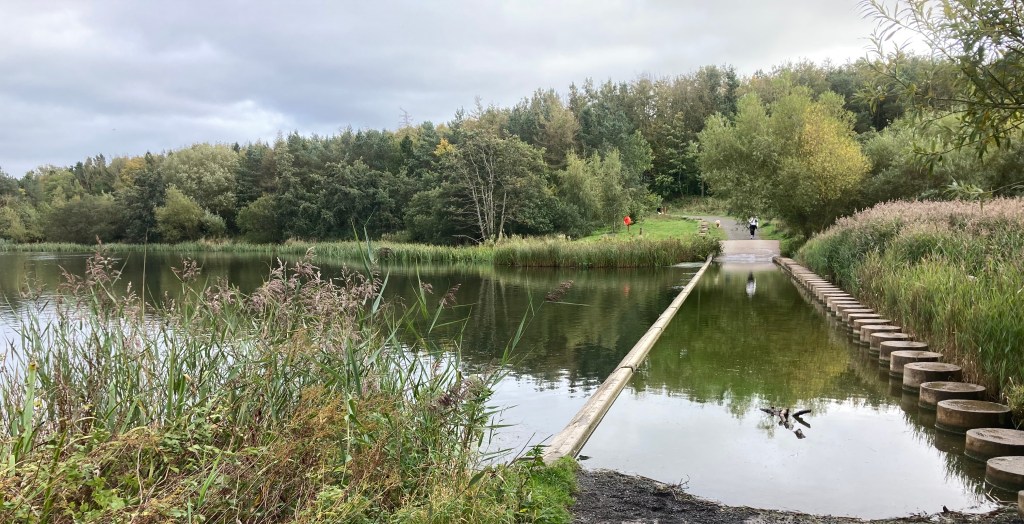
Yesterday turned into a lovely day so we arranged to meet daughter for a walk at Druridge Bay Country Park, close to where she lives. The last time I posted about a family walk there it was January and freezing cold. This time is was mild and we were treated to a little early autumn colour.

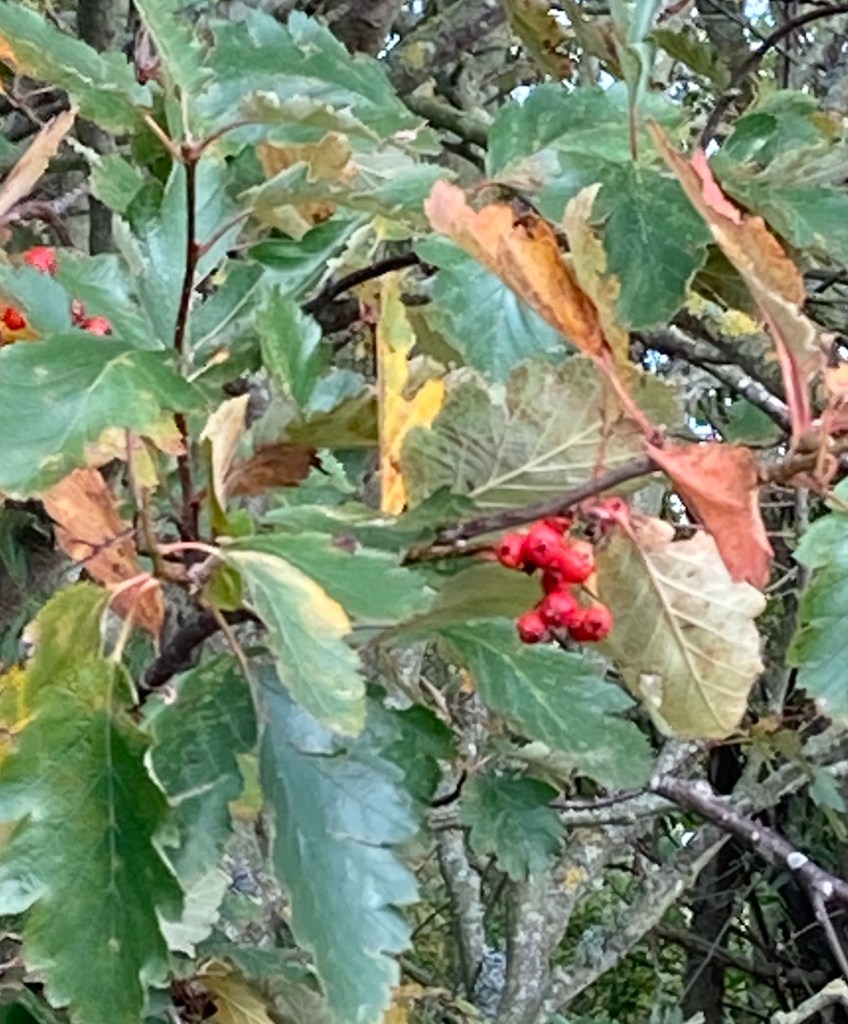
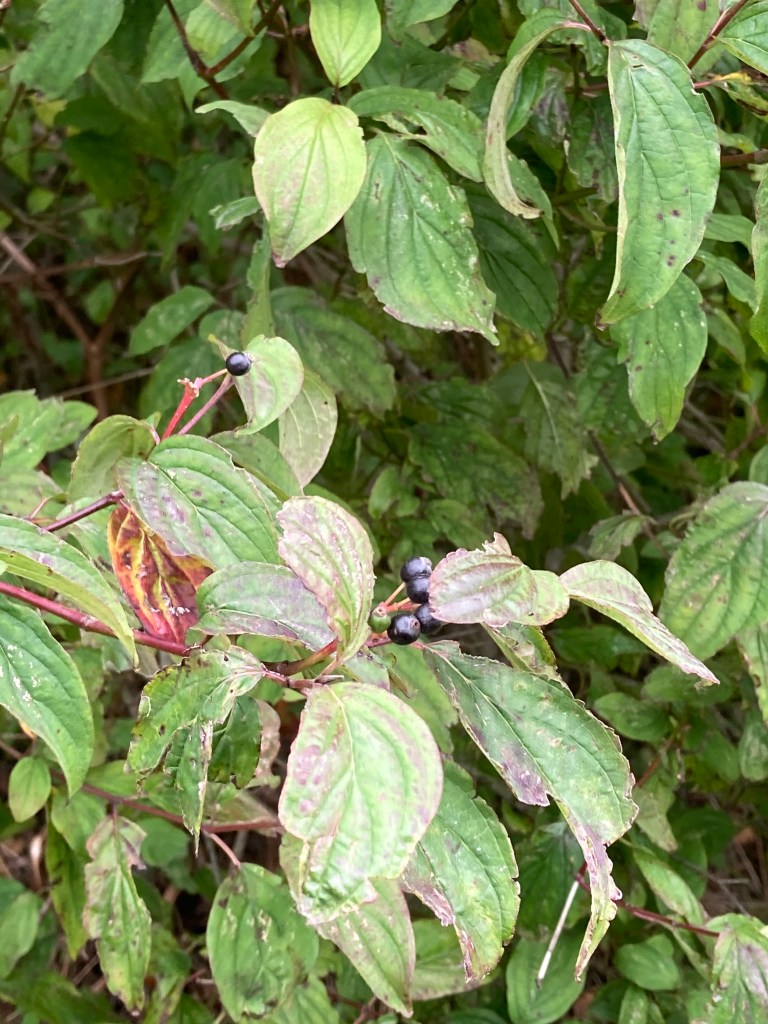
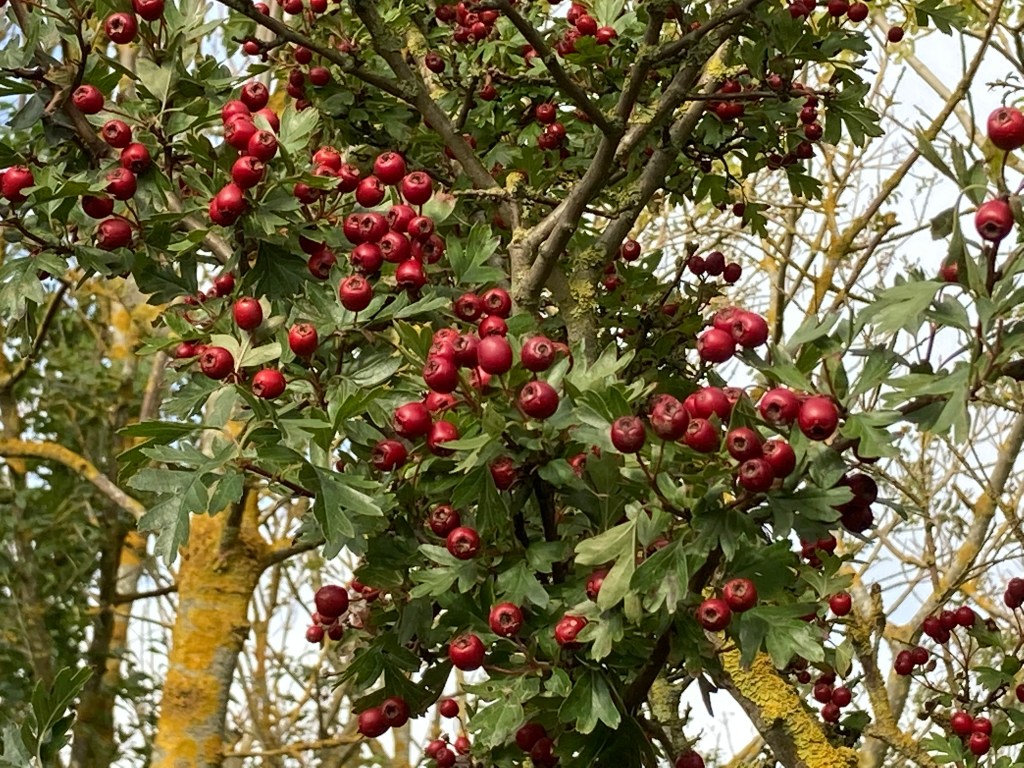
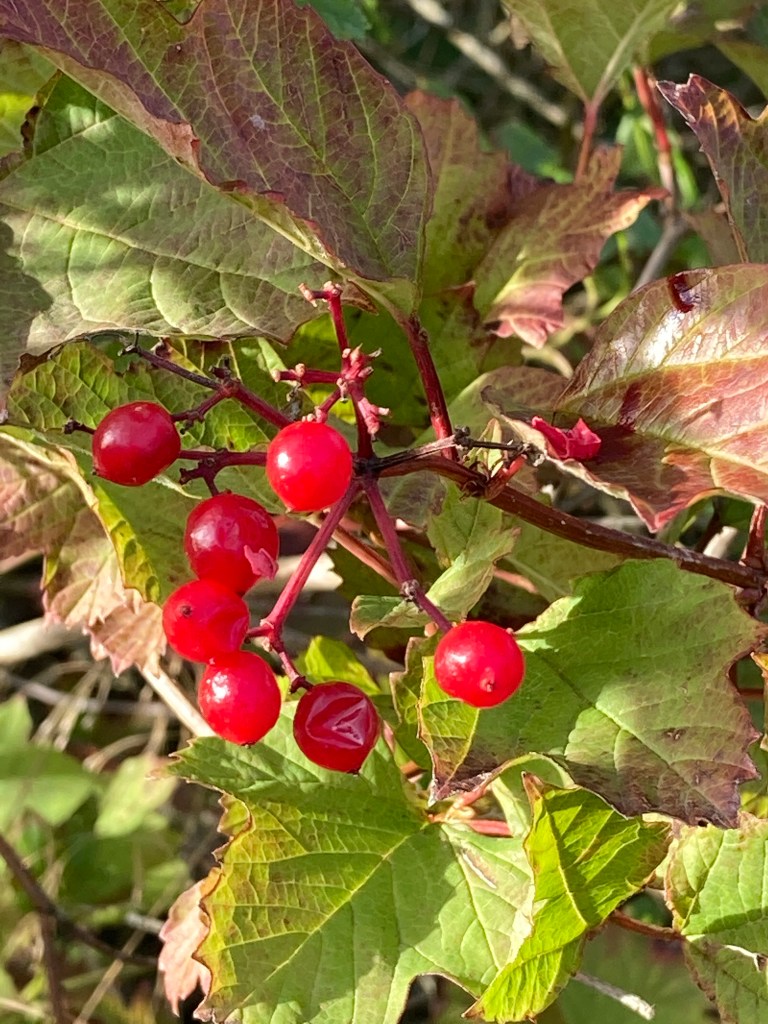
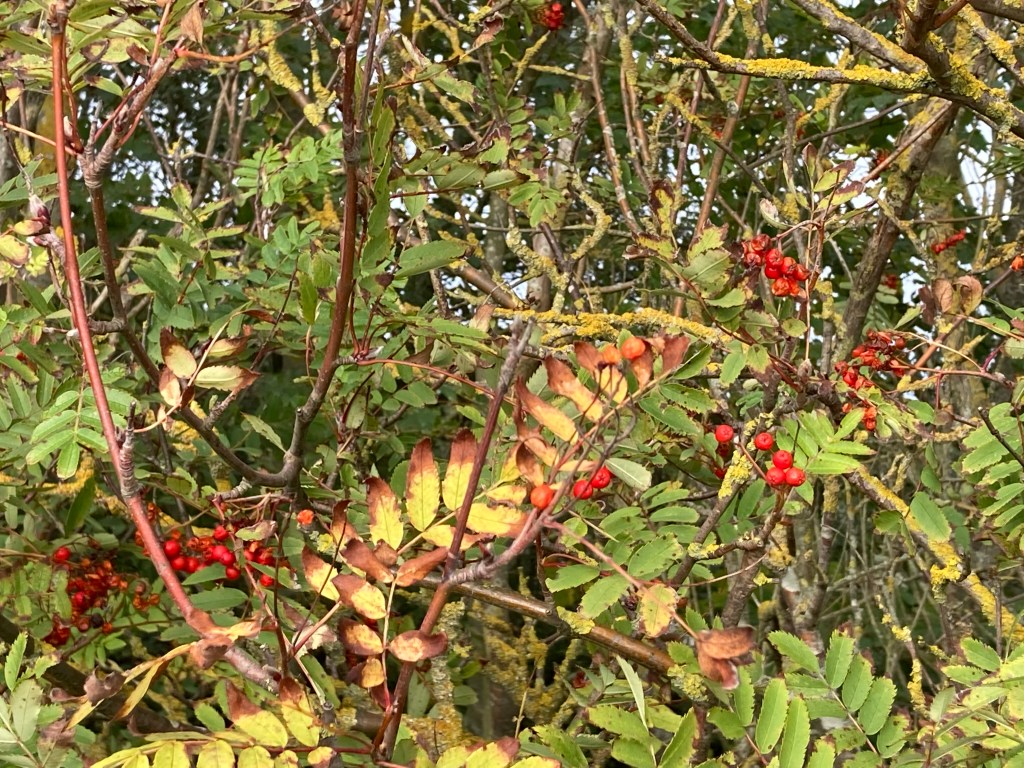
There were all sorts of berries on the trees and bushes.

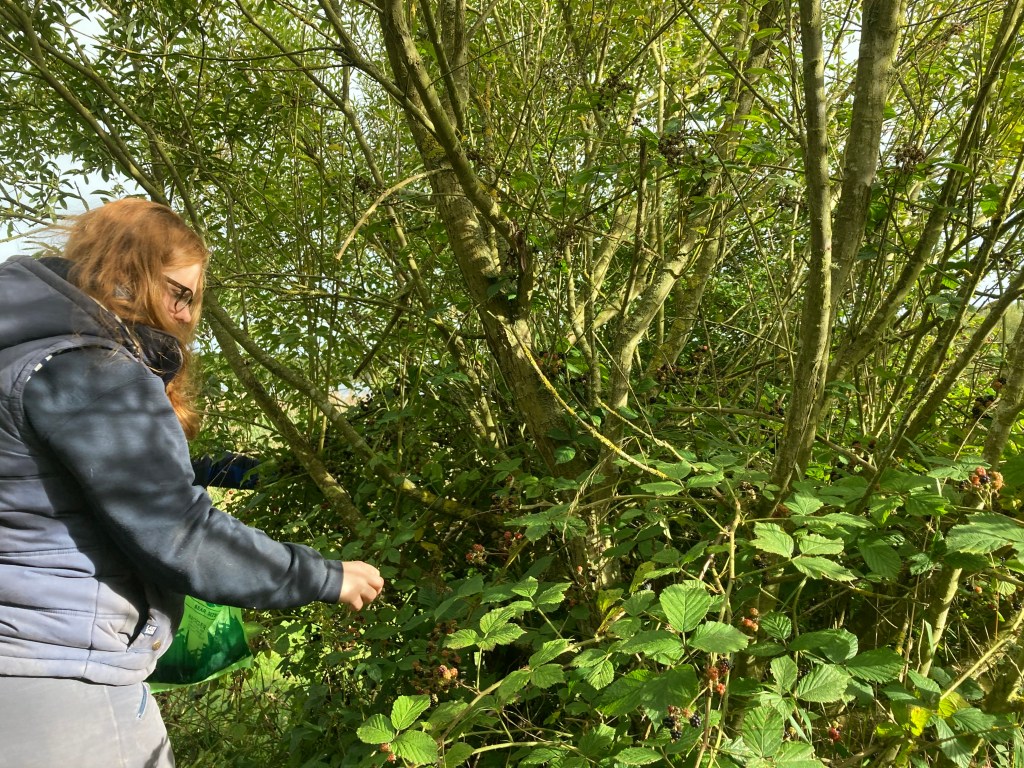
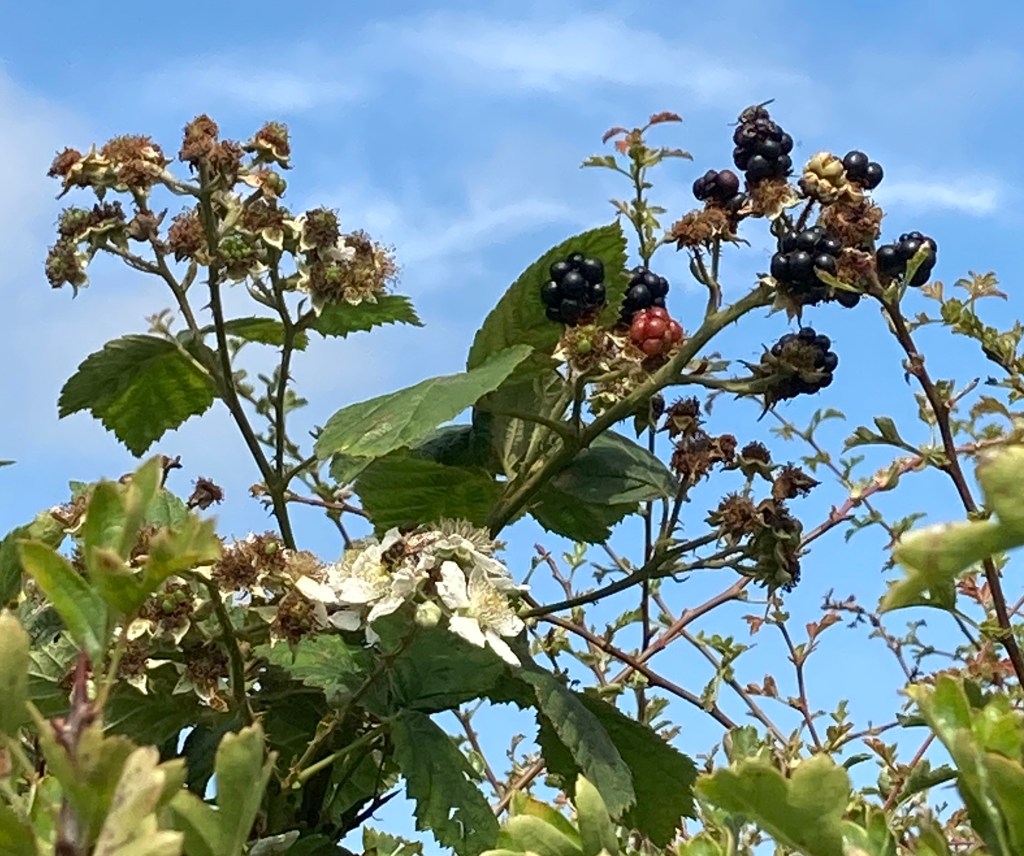
There were loads of lovely ripe blackberries – daughter was keen to pick some. She has some apples from my mother’s tree, which has cropped very heavily this year, I’m not sure whether she will make bramble and apple gin or add the brambles to a crumble with the apples – she had a good bagful in a short time.

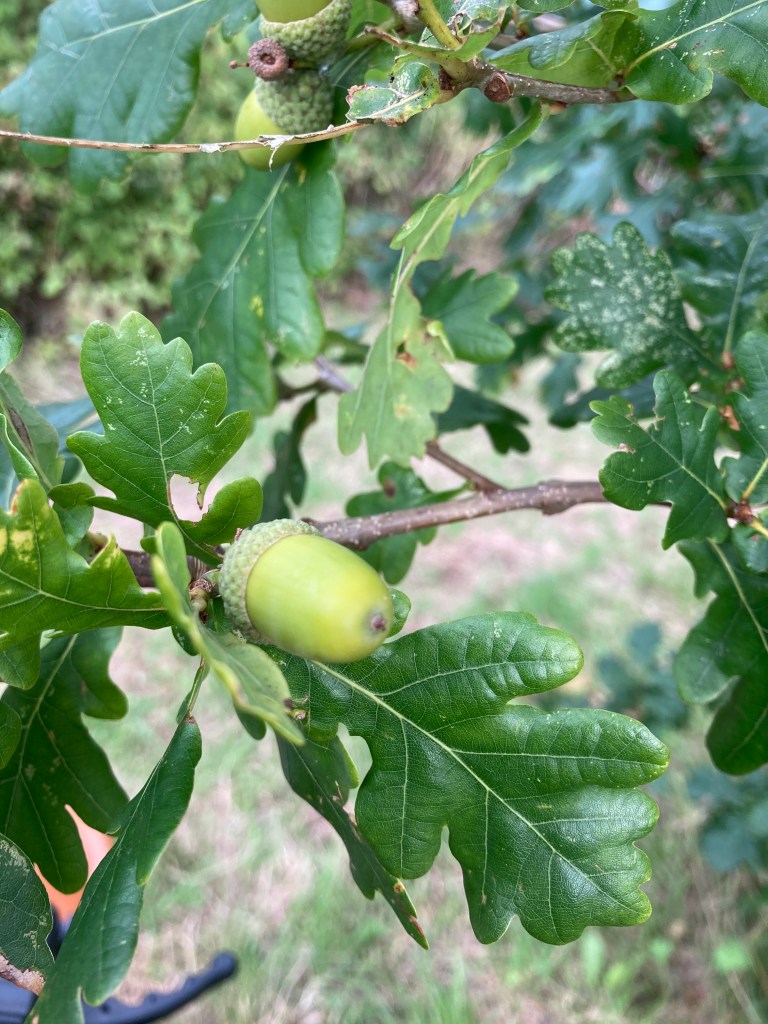
But berries are not the only way that trees and shrubs produce their seeds. This little oak tree was covered in acorns.

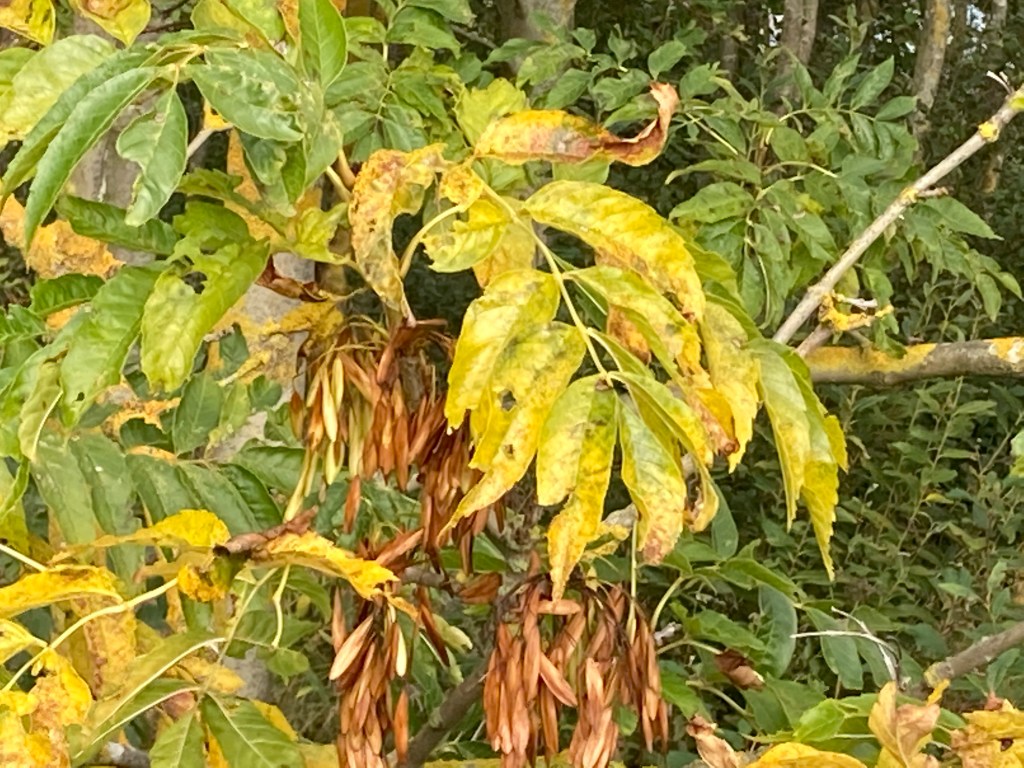
The Ash has elongated winged seeds, known as keys, that hang in bunches.

T

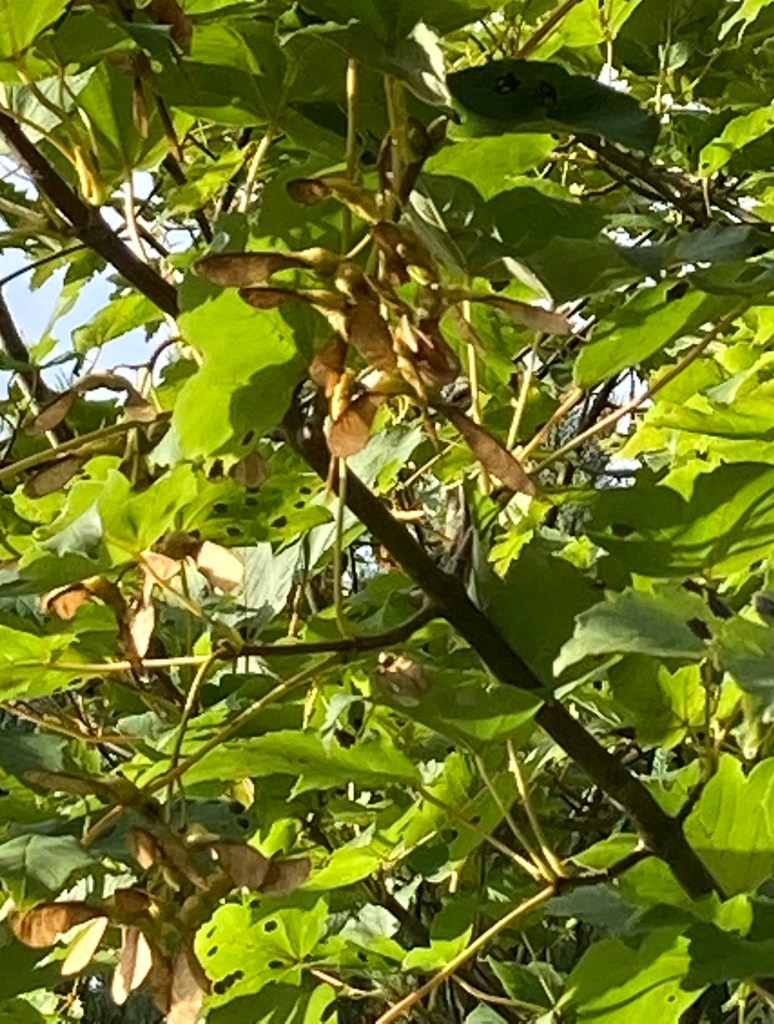
The field maple bears pairs of winged seeds.

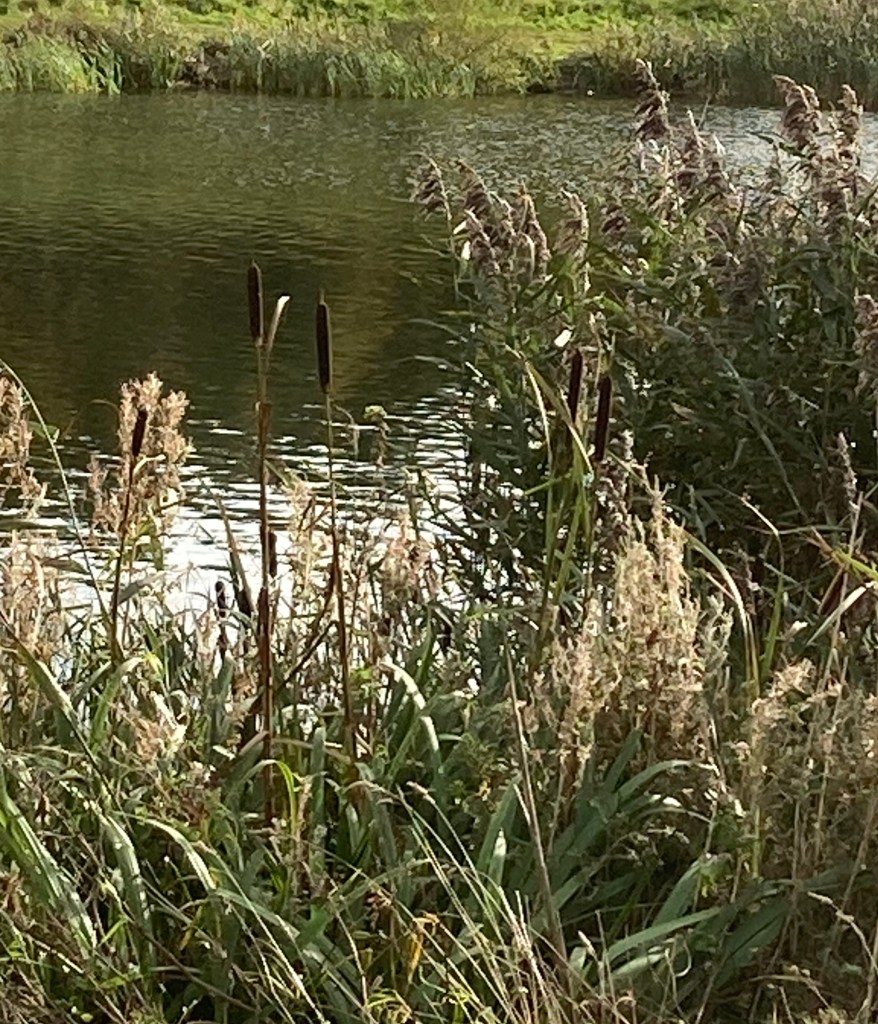
Down by the lake there was a clump of reedmace, with distinctive velvety brown spikes.

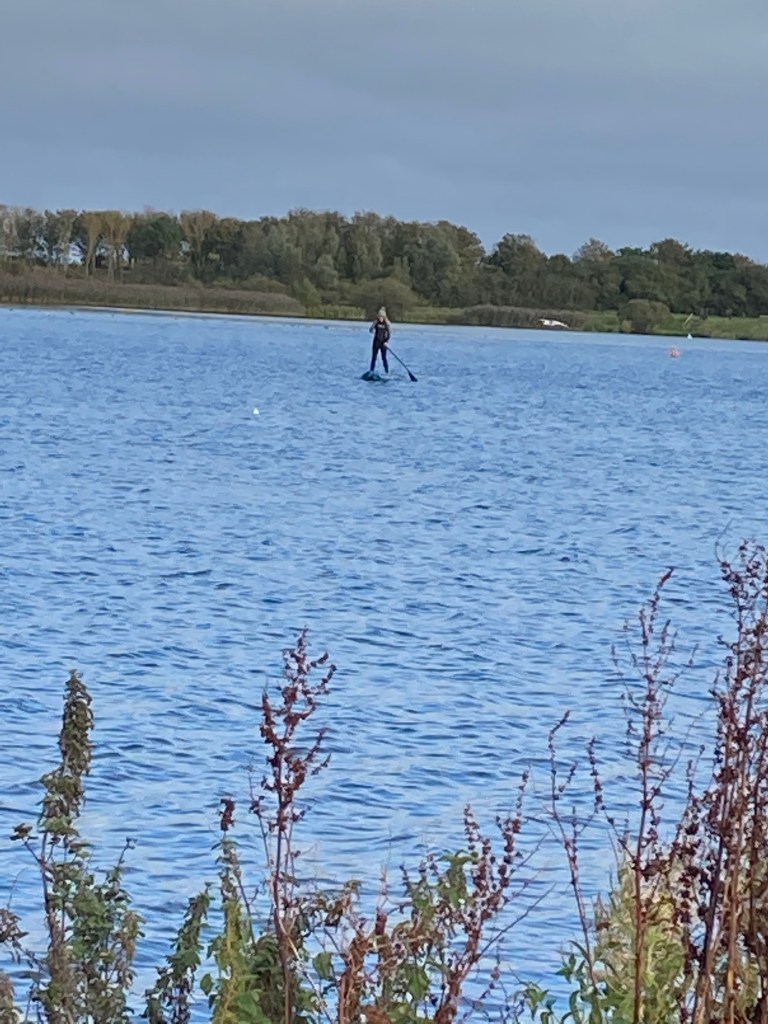
The swans, ducks and gulls gathered by the boat ramp, waiting to be fed, while a lone paddle boarder floated by.

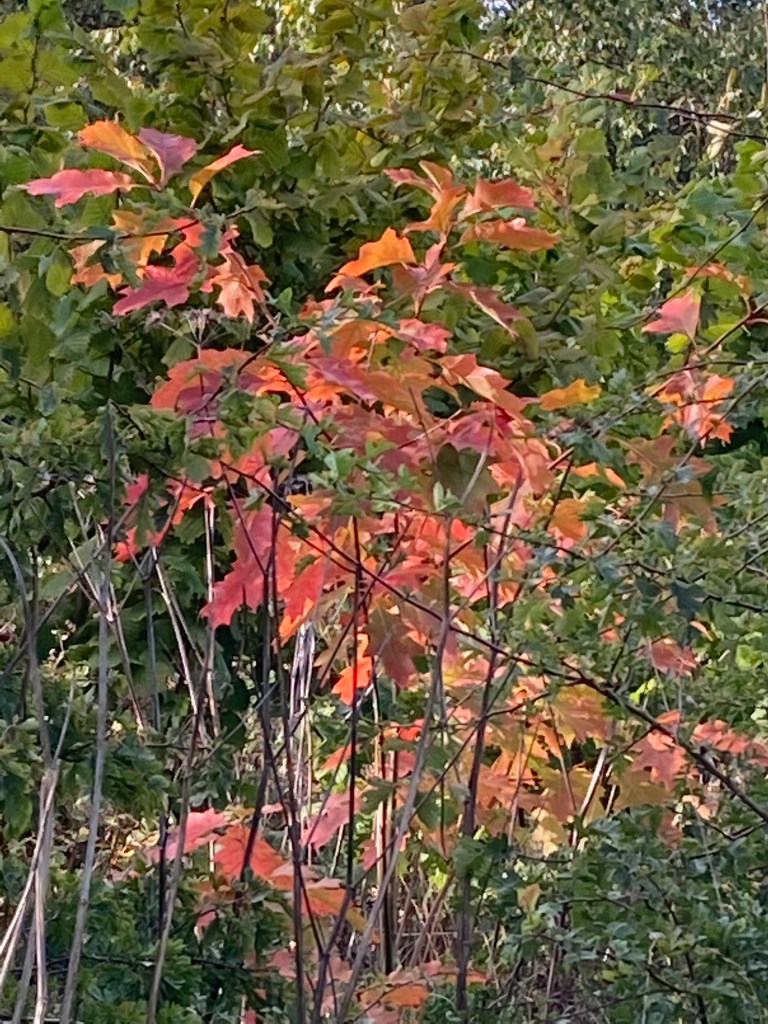
I was just beginning to think that despite all the colourful berries, there was very little autumn leaf colour, then I saw these beauties.

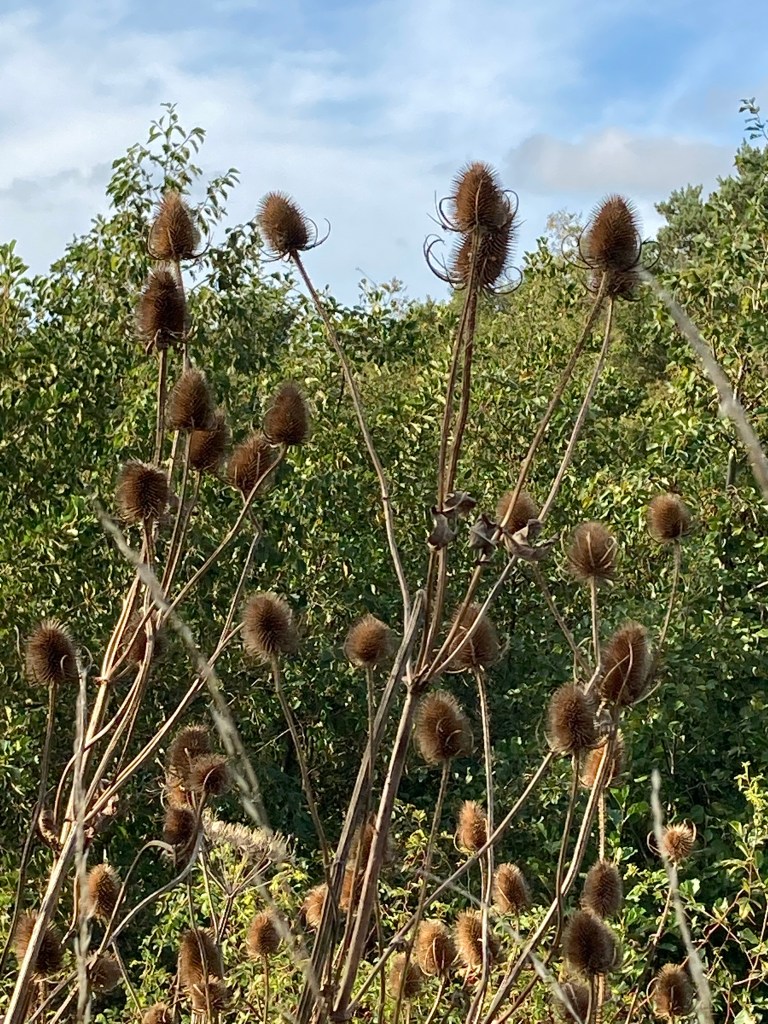
Close to the park exit there was a large stand of teasels. The spiky seedheads looked stunning in the late afternoon sun. We have some in our garden that I hope will attract flocks of hungry goldfinches.

What a lovely way to spend an afternoon!

What signs of autumn have you noticed?

Posted in Uncategorized

Making the Most of Nature’s Harvest: Bramble and Apple Gin

Bottling up the Sloe Gin the other day reminded me of some photos we took a few weeks ago. Even in late August the beginnings of a bountiful hedgerow harvest were in evidence. Back then the sloes were turning from green to blue-black.

They seem to briefly take on an interesting turquoise shade when they are half ripe

It doesn’t seem that long ago that the blackthorn bushes were laden with blossom rather than fruit. In this strange year time has passed in an odd way. Somehow the hours pass slowly and the days pass quickly. This was taken in March.

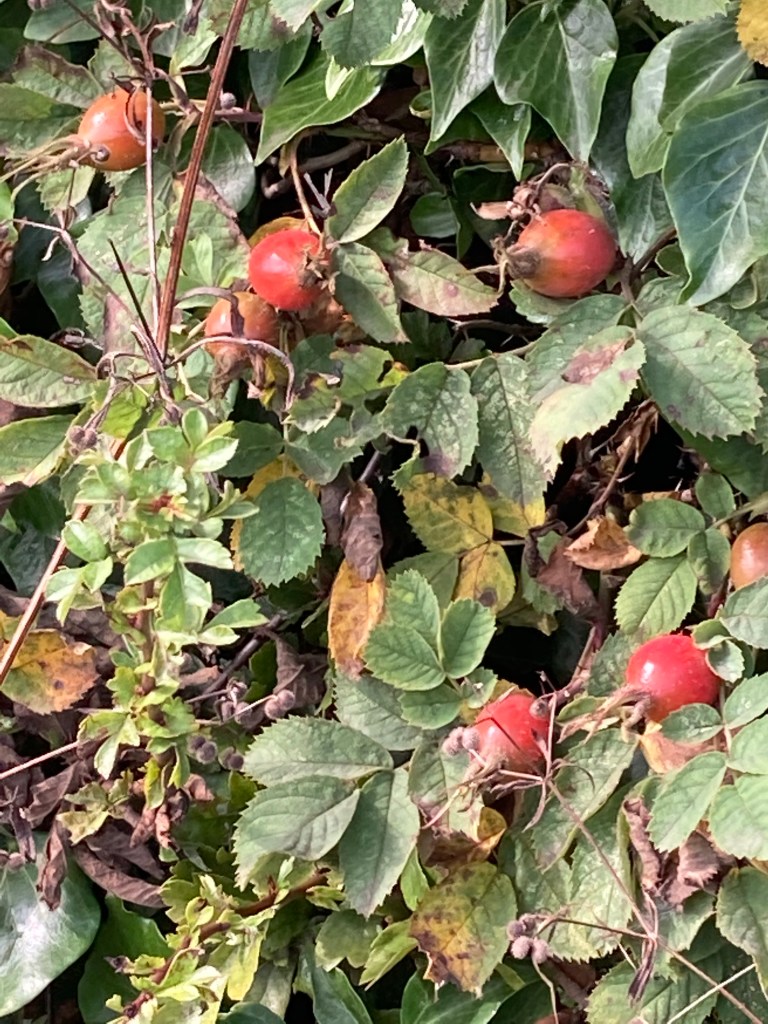
Dog rose featured in one of my Wildflower of the Week posts . The roses were replaced by bright orange hips.

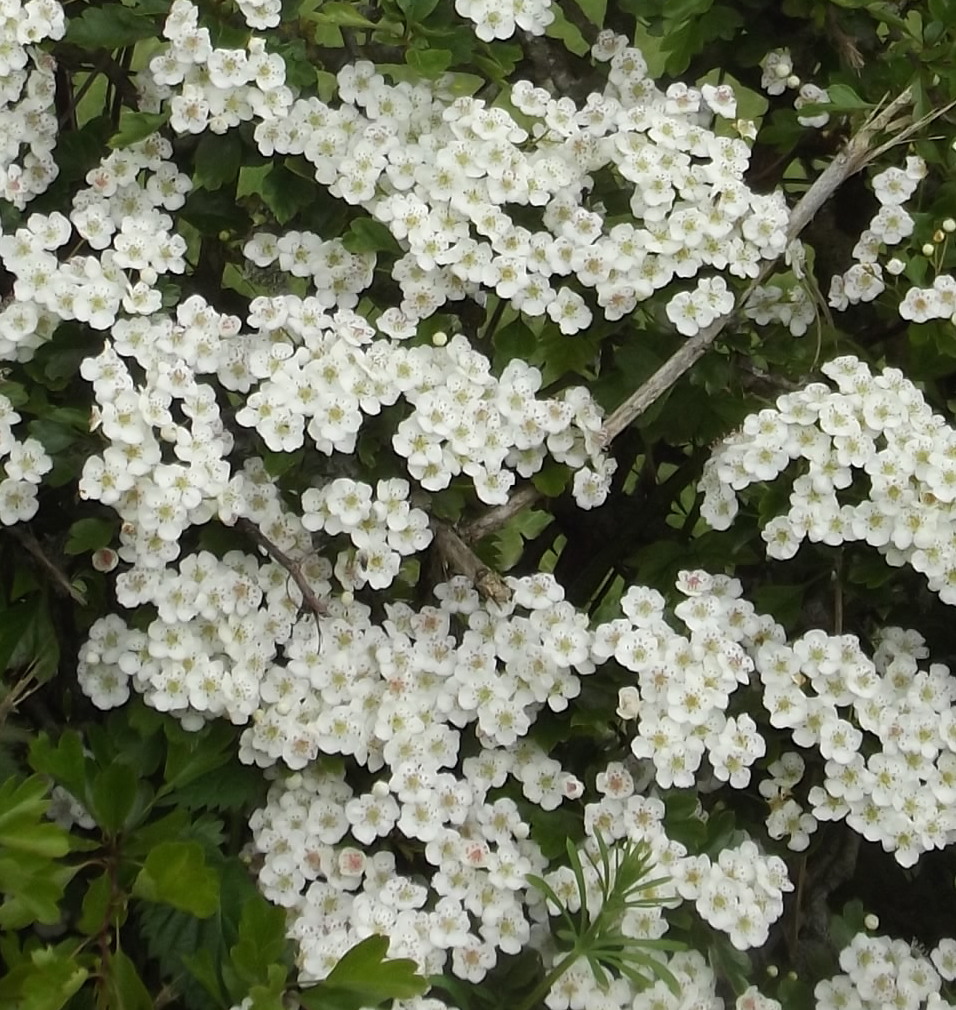
In the same way, the hawthorn blossom of May has given way to berries that will be enjoyed in the weeks to come by the birds, especially hungry new arrivals migrating here for the winter. In August the hawthorn berries were just starting to ripen and are now turning a darker red.

The blackberries/brambles have been amazing too. We pick some every year, but the crop seemed particularly prolific. We picked almost 3 pounds of fruit in a relatively short space of time, getting our fingers stained in purple juice and covered in tiny prickles. The fruit has been in the freezer since then.

It’s not just the hedgerow fruit that is abundant right now. The apple tree in my mother’s garden is so laden with fruit that the branches are drooping under the weight, even though several bags of apples have already been picked. We have an apple tree with plenty of fruit too, but they all seem to be near the top, well out of reach!

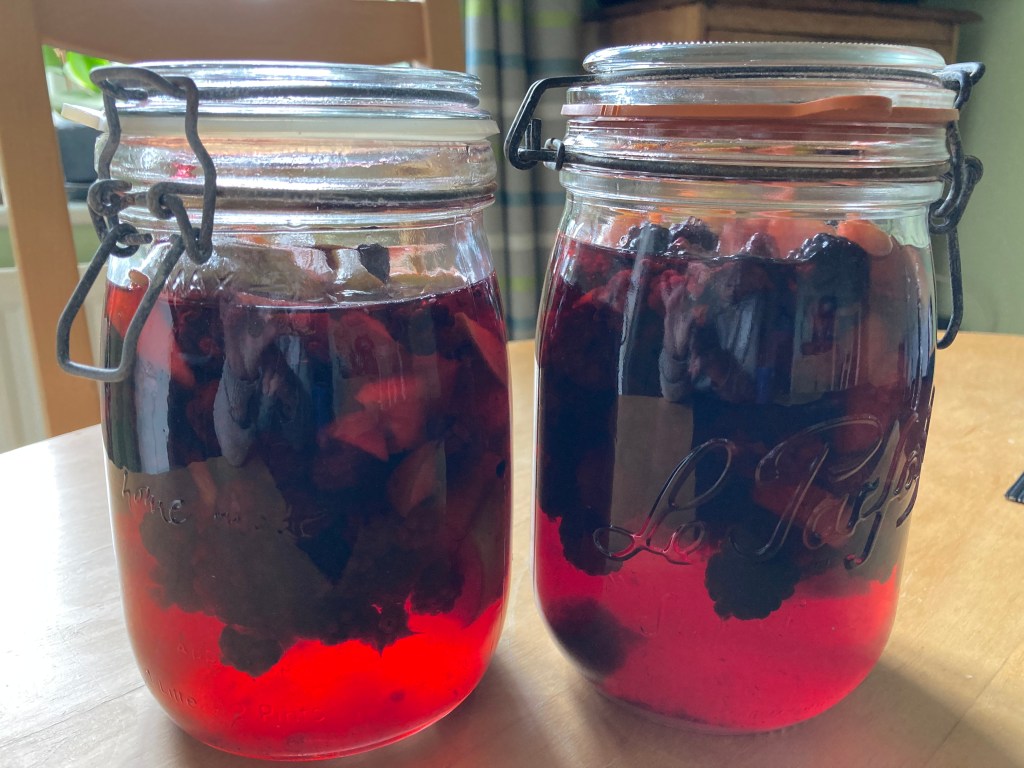
With last year’s sloe gin bottled, that freed up some Kilner jars. With this in mind and such a plentiful supply of apples and blackberries, I decided to make some bramble and apple gin.

There were quite a few recipes online. Some had added vanilla, but this one from Larder Love involved bayleaves. It made me think of the Jo Malone Blackberry and Bay fragrance which is rather nice. The apples didn’t need peeling or coring either – I’m all for that!

I increased the quantities proportionately as I had a litre of cheap gin instead of the standard (750mls) bottle used in the recipe.. This was enough to fill two 1 litre Kilner jars, which had been sterilised. I used

  • 300g blackberries (mine were straight from the freezer)
  • 300g apples, unpeeled, uncored, roughly chopped
  • 266g sugar
  • 2 small bayleaves
  • 1litre cheap supermarket own brand gin

I split the fruit and sugar between the two jars and added a bayleaf to each, then topped up with the gin. Then I sealed the jars and shook them to dissolve the sugar, repeating every so often until fully dissolved. Within a few hours the brambles were releasing their juice into the mixture, turning it red. The jars will now stay in a cool dark place, to be shaken up every so often (light makes the gin turn brownish). In a couple of weeks it will be ready to strain, bottle and drink – much much quicker than slow sloe gin!

I’ve already made some apple pies, frozen some and given a couple away. But what else shall I make? Chutney? Jelly and jam? All suggestions welcome!
Posted in Uncategorized

Slow Sloe Gin

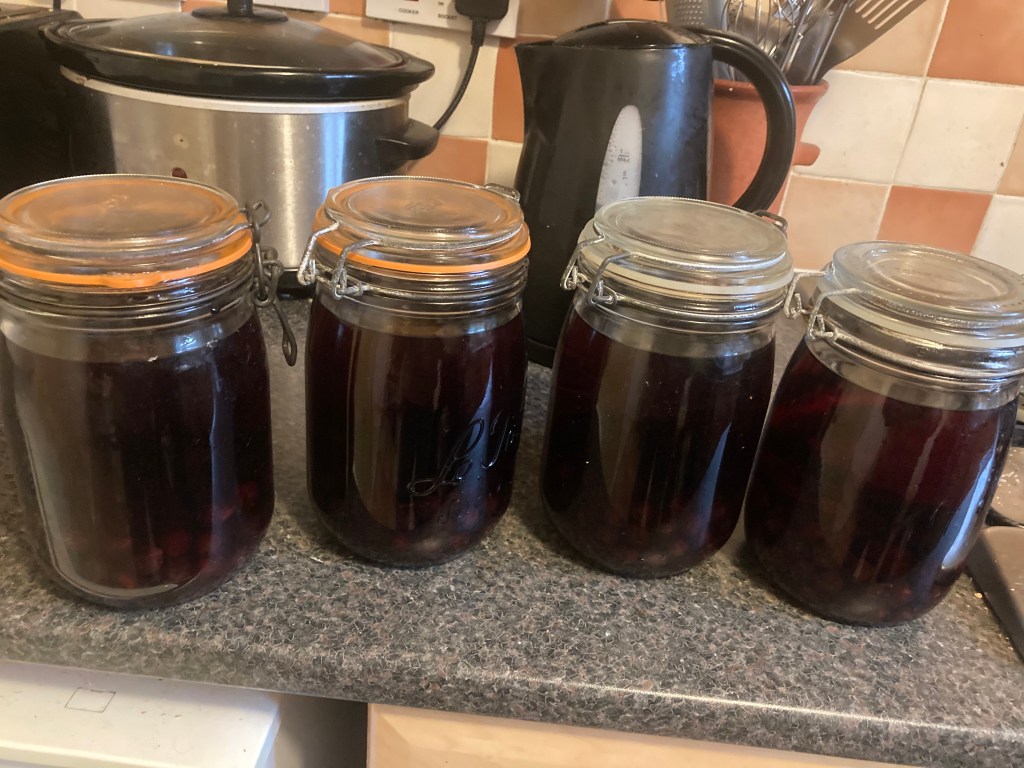
We just bottled the sloe gin mad from sloes we picked last autumn. It’s been steeping and maturing nicely and is now ready, freeing up the jars for this years crop. We use 1 litre Kilner jars (the ones with the rubber seal and the metal hinge and clip that holds the lid on with an airtight seal) and sterilise them in the dishwasher before we start..

We use this recipe. To start it off you just half fill each jar with sloes (picked after the frosts or saved in the freezer, so the skin splits and liberates the juice). Add four ounces of sugar and top up with dry gin and seal the jar. Shake the jar every few hours until the sugar dissolves then store in a dark place for a couple of months, shaking up again every few days. Most recipes specify caster sugar, but as it will all dissolve in the end that’s not crucial. It just might take a bit more shaking! And there is no point in using expensive gin. Cheap supermarket own Brandis perfectly fine for this.

Most sloe gin is actually gin liqueur, which makes it far sweeter than a flavoured gin, almost syrupy. You can bottle it at this stage, but for the last couple of years we’ve tried a second stage, which produces something more like a flavoured gin, less sweet but still having a rich red purple colour. After the first two months of steeping you simply pour half the contents of the jar (fruit and liquid) into a second sterilised jar and top both up with gin. By diluting with more gin, the drink becomes stronger and less sweet. The fruit is left in so even more flavour comes out into the liquid. We’d left it like that for quite a few months before we got to the current bottling stage.

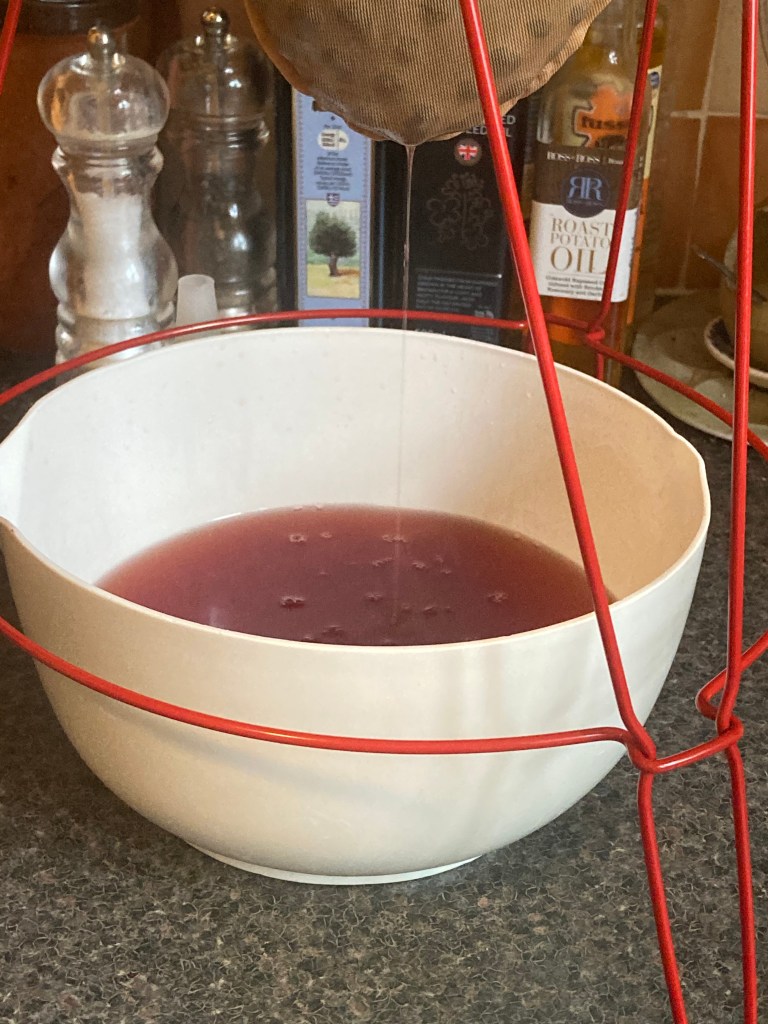
Out came the jelly bag and stand to strain the liquid. We always scald the fabric with boiling water beforehand – it still bears the stains of many a previous batch of sloe gin or bramble jelly.

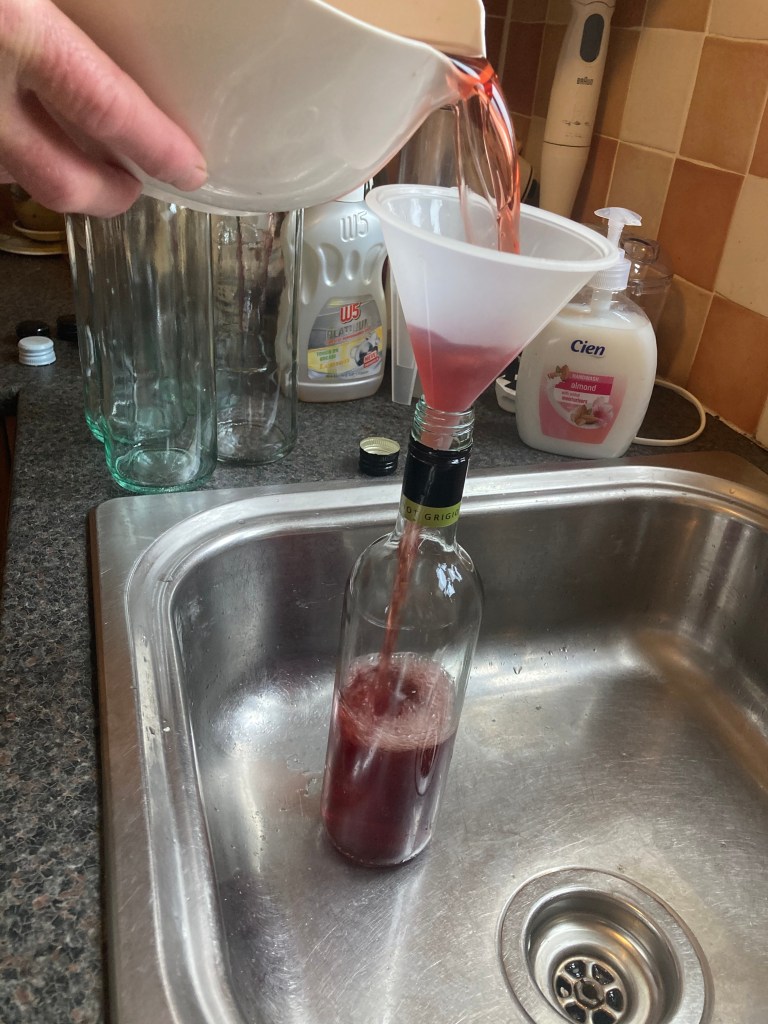
Then it’s simply a matter of filling the bottles using a funnel (all previously sterilised too).

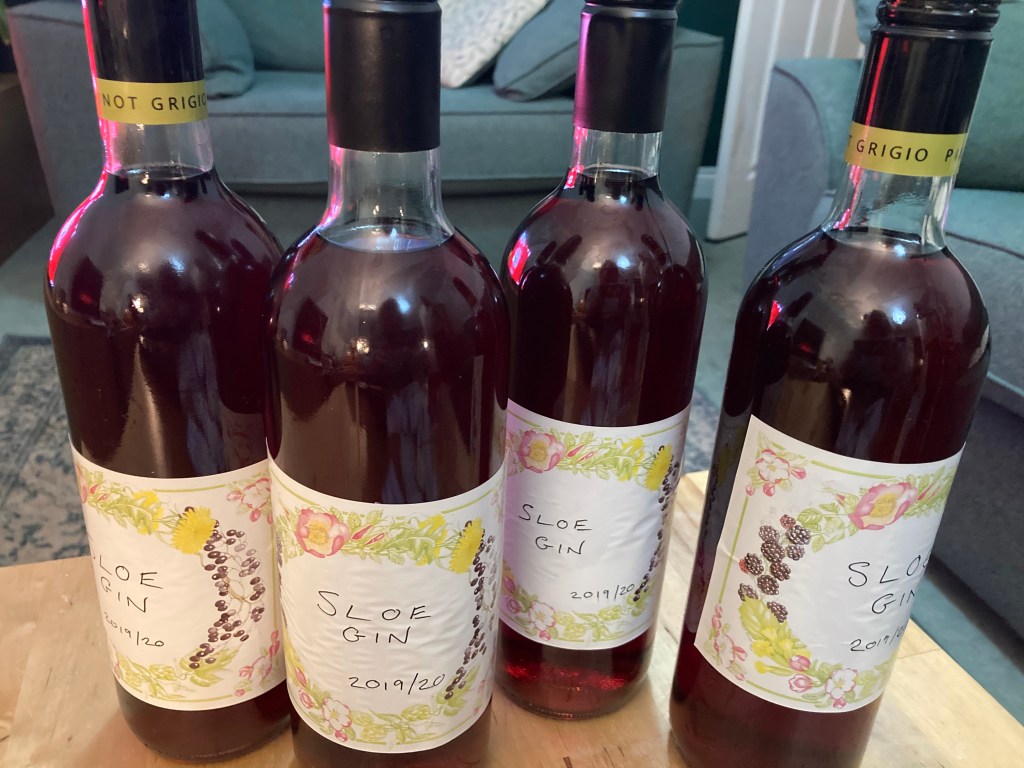
Any screw top bottle will do. Our original two jars of mixture were diluted with gin into four jars and that resulted in four standard (750ml) bottles of sloe gin. If you’ve saved any smaller bottles to fill with the drink, especially decorative ones, they make great gifts. You can use your sloe gin as an after-dinner liqueur, knock it back as a shot or fill a hip flask for an outdoor tipple on a cold day. It’s also lovely diluted with tonic, soda or lemonade and for something really special, topped up with Prosecco. Drink responsibly!

You can even use the by-broduct: the gin-soaked sloes left in the strainer. It’s a tedious process and we didn’t bother this year, but if have the patience to remove the large seed from each individual sloe berry, there’s a use for the fruit. You can simply serve it over ice cream for a very grown-up dessert, or melt some chocolate, stir in the fruit and let it set. Break it up into bite-sized pieces and enjoy. Gorgeous!

Our bottles are now labelled and ready to use. They are best best stored in a cool dark place but will last pretty well – at least a year or two in our experience. Some years there are no sloes to harvest at all. That happens if there’s a late frost just as the fruit is setting or if it’s too cold for the insects to be out pollinating the flowers (sloe or blackthorn blooms very early in the year)Worth making a large batch….just in case!

Have you ever made your own sloe gin or other fruit liqueurs?

Posted in Uncategorized

I’m In A Spin (Part 3): A Week’s Worth of Spinning

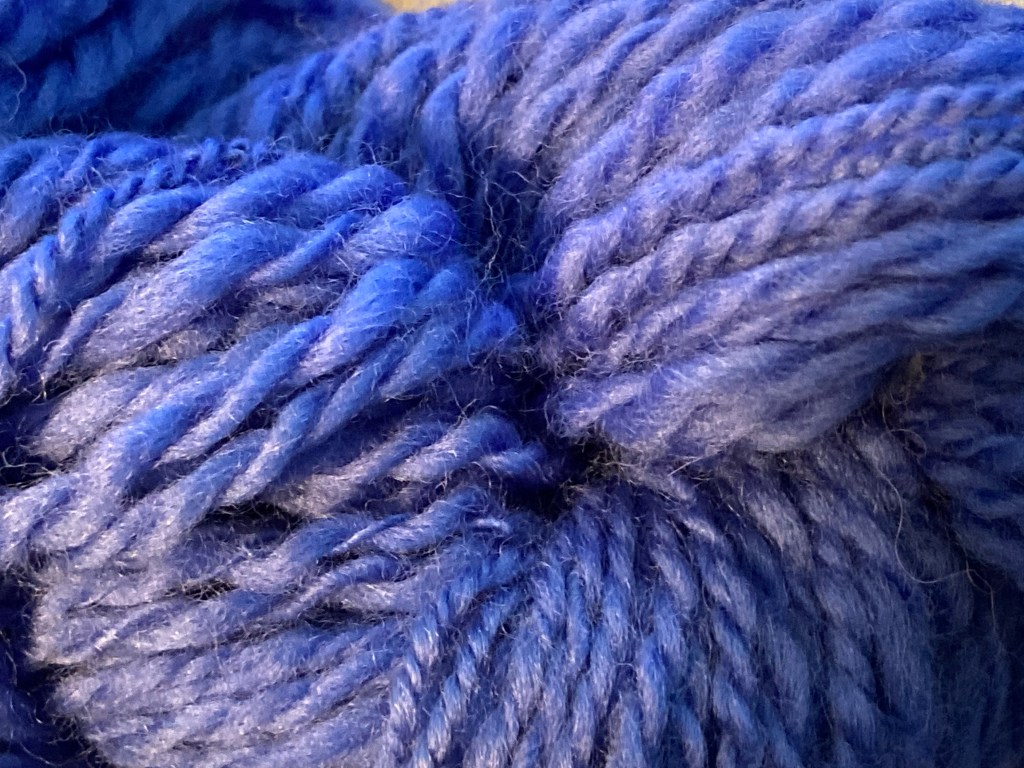
Since I got my e-spinner – the Electric Eel Wheel Nano, I’ve become somewhat addicted! I managed to complete all this in my first week of spinning. In Part 2 I’d completed my first tiny skein of navy and white striped yarn. Next I decided to concentrate on improving my technique so I spun a couple of reels of the cornflower blue merino and plyed it together.

This is such a rich shade of blue! As you can see from the close up my strand thickness and ply is pretty uneven, but I think it was starting to improve by the time I finished these.

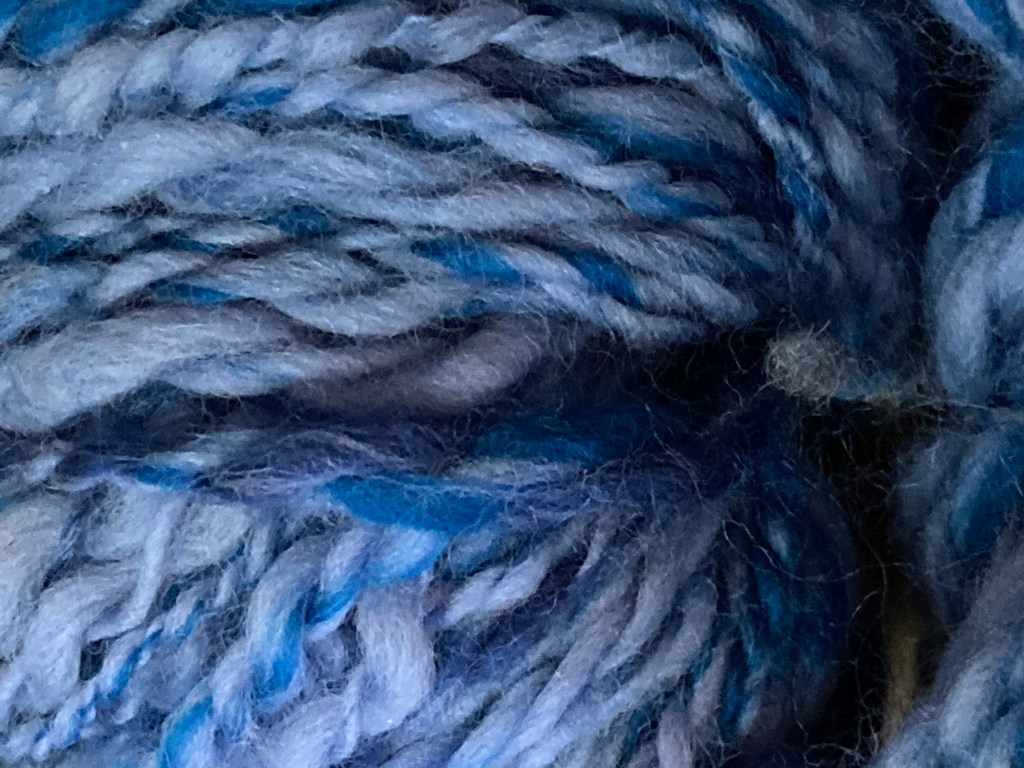
Next I tried colour blending. I’ve watched YouTube tutorials on this but I don’t have a blending mat or a carder so I improvised – I pulled out a long strip each of three colours of fibre (pale blue, deep denim blue and teal) and as I spun, I tried to make sure I was varying the colours I drew out. I also spun a reel of the plain pale blue yarn, then I plyed them together.

I found it quite difficult to keep the multicoloured strand even and vary the colours at the same time. The uneven-ness translated through to the the plying, but I rather like the randomness of it.

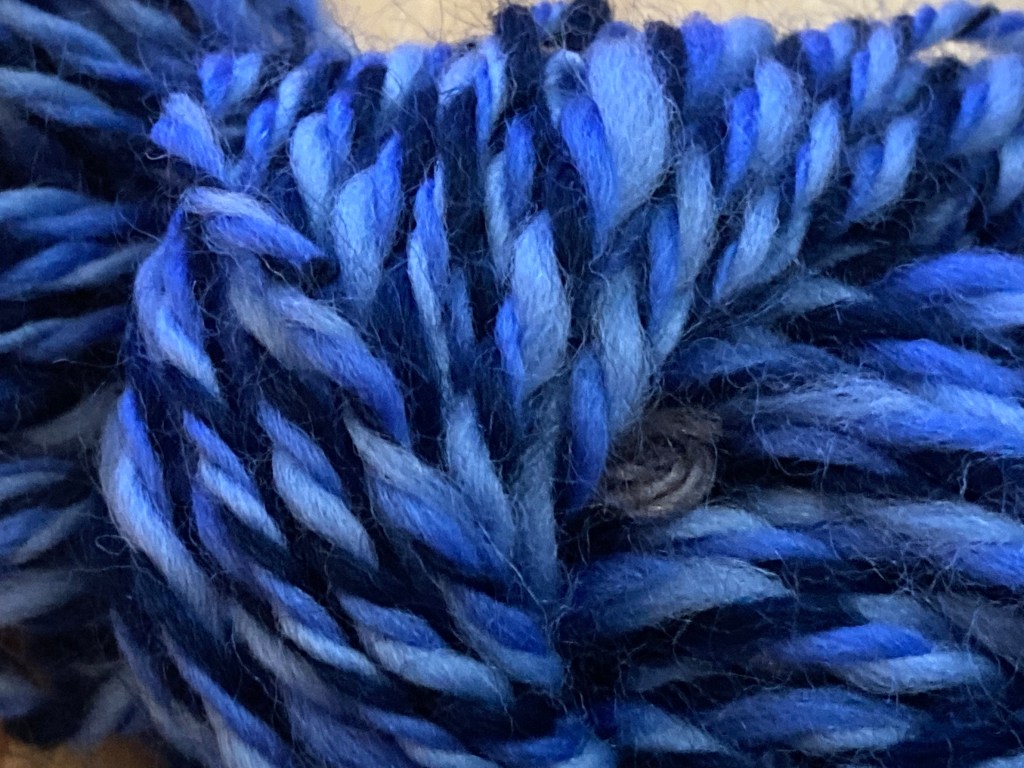
Finally I spun a bobbin each of pale blue, cornflower and navy. My strands were starting to get more consistent by now. I put them together in a 3-ply. My improvised Lazy Kate (cardboard box with knitting needles stuck through to hold the spools) needed an extra needle poking through to accommodate the third spool.

I was really pleased with how this turned out because I felt that both the spinning and plying looked more uniform. Result!

I’ve definitely caught the spinning bug. I find it very soothing and have really enjoyed learning the basics. I’ve eased back a bit over the last few days so I don’t totally deplete my fibre supply. I’ll have to buy more far too soon if I don’t spin it out!

I

Posted in Uncategorized

A Walk In The Woods: Thrunton

Autumn arrived with a vengeance today, but we’ve certainly had a good run of lovely weather over the last couple of weeks. One warm day we decided to head for the hills rather than the coast, which was still pretty busy at that point. We went to Thrunton Woods, which is off the A697, west of Alnwick.

This is a Forestry England site, planted with conifers. There are marked trails of various distance and difficulty and some lead to points of interest such as a cave (the refuge of a 19th century monk), Hob’s Nick (a gully said to be haunted by hobgoblins) and a prehistoric fort. Some of the routes are quite steep but lead to spectacular views from hilltop crags. Cyclists and horse riders are also welcome on the trails.

I was using my new mobility scooter. Some parts of the main paths are quite treacherous as they are very rough and stony, and I wouldn’t even attempt some of the more difficult routes, but that still left plenty to go at. Buddy the Labrador loves Thrunton Woods and it’s great for dogs, although ticks can be a problem. Dog owners should also note that there are no dog bins. We always see a lot of bagged up dog waste dumped near the car parks, which is horrible! Why can’t people take it home? If it’s away from a path, any unbagged dog mess left will soon decompose. The plastic bags won’t. Moving swiftly on…..

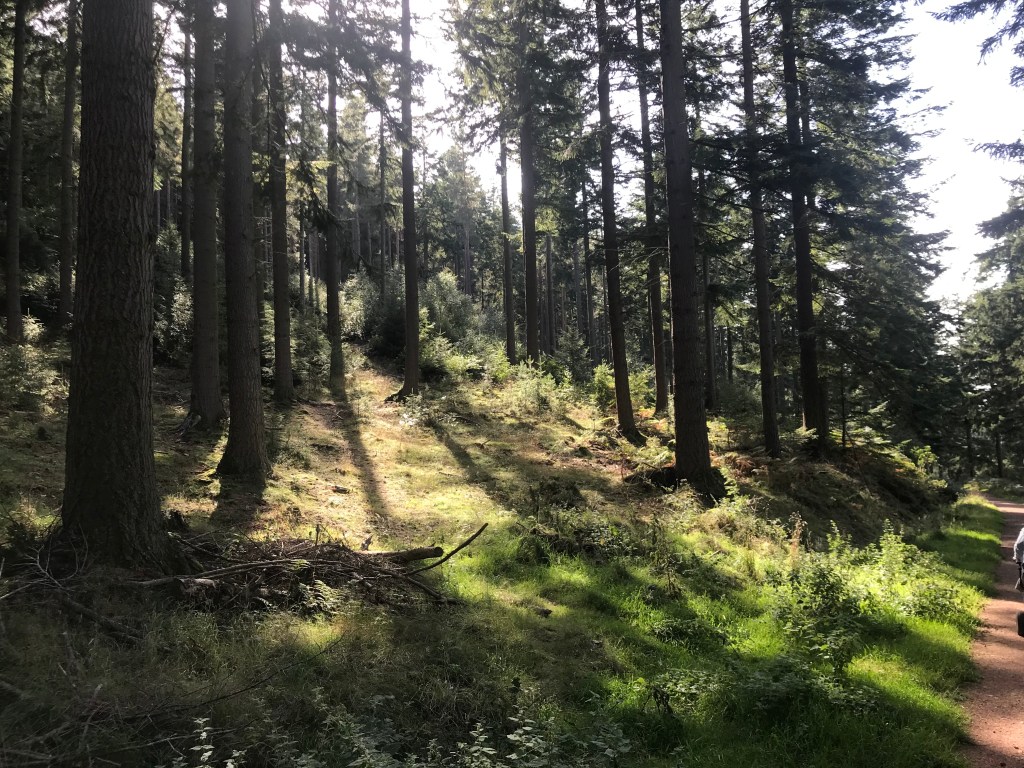
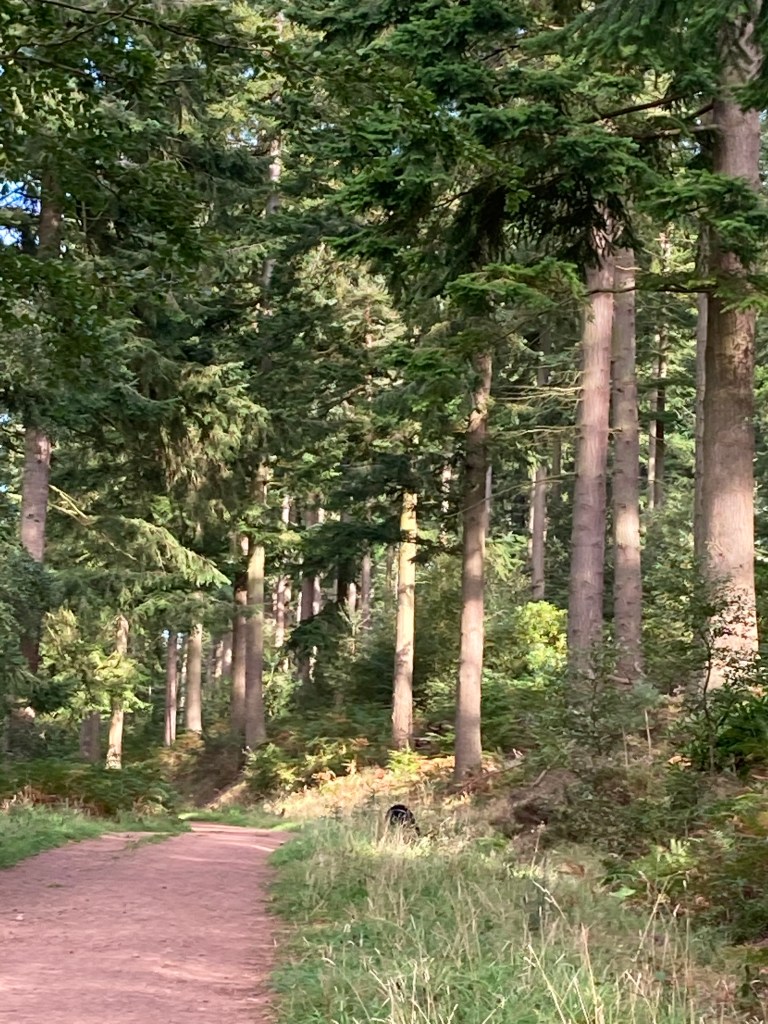
,There is always something very atmospheric about mature woodland and Thrunton is no exception. The rays of afternoon sun were filtering through the trees and it was very still: beautiful but almost eerie.

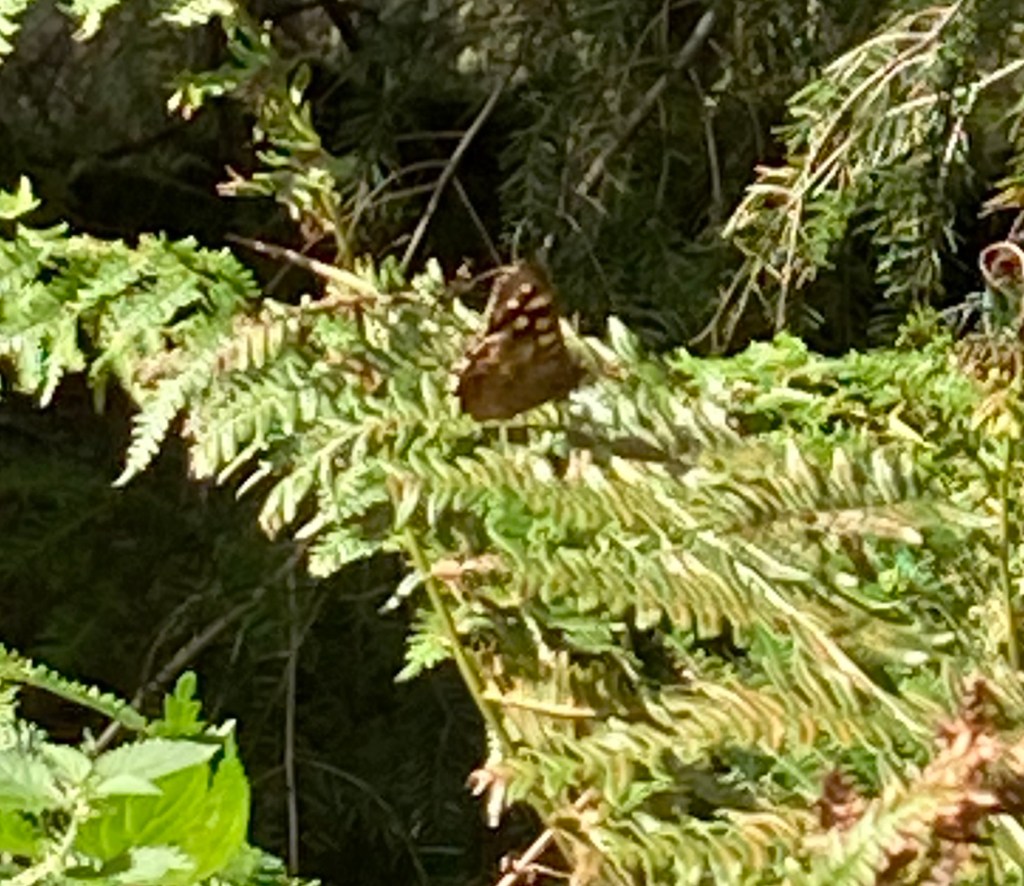
It felt warm in the sunny spots on the paths and late summer butterflies were fluttering about or alighting on the vegetation to soak up the heat.

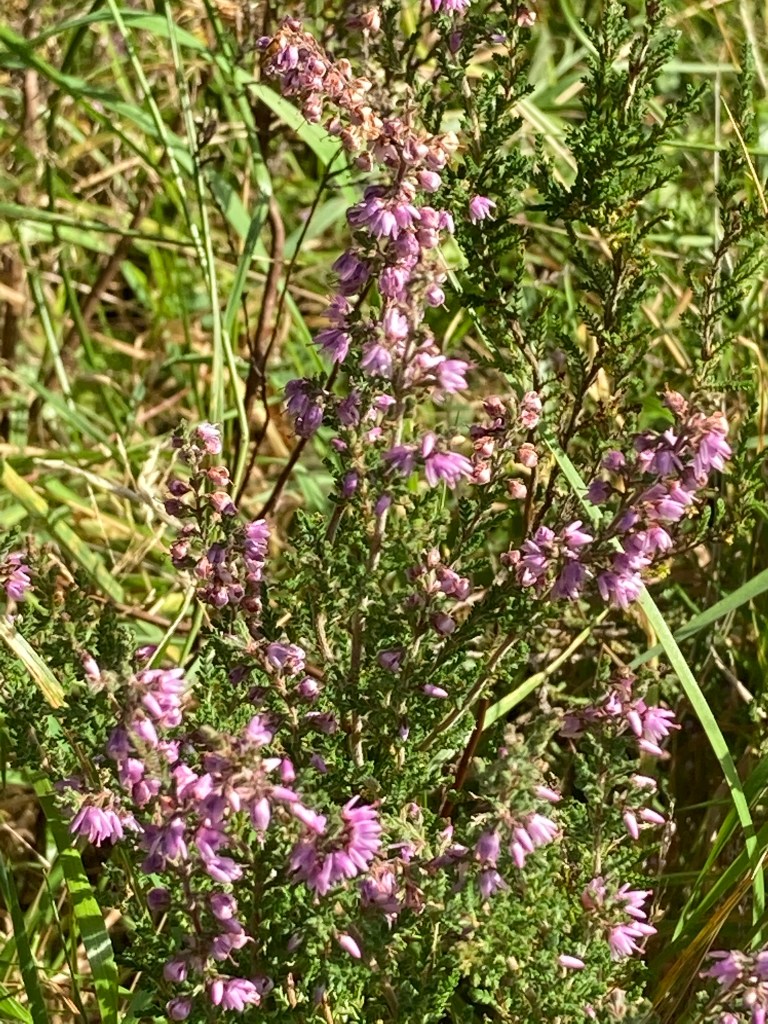
It’s always interesting to look at the flora of different habitats. The moorland that surrounds Thrunton Woods is purple with blooming heather in late summer and there is heather on the trail margins in the woods too.

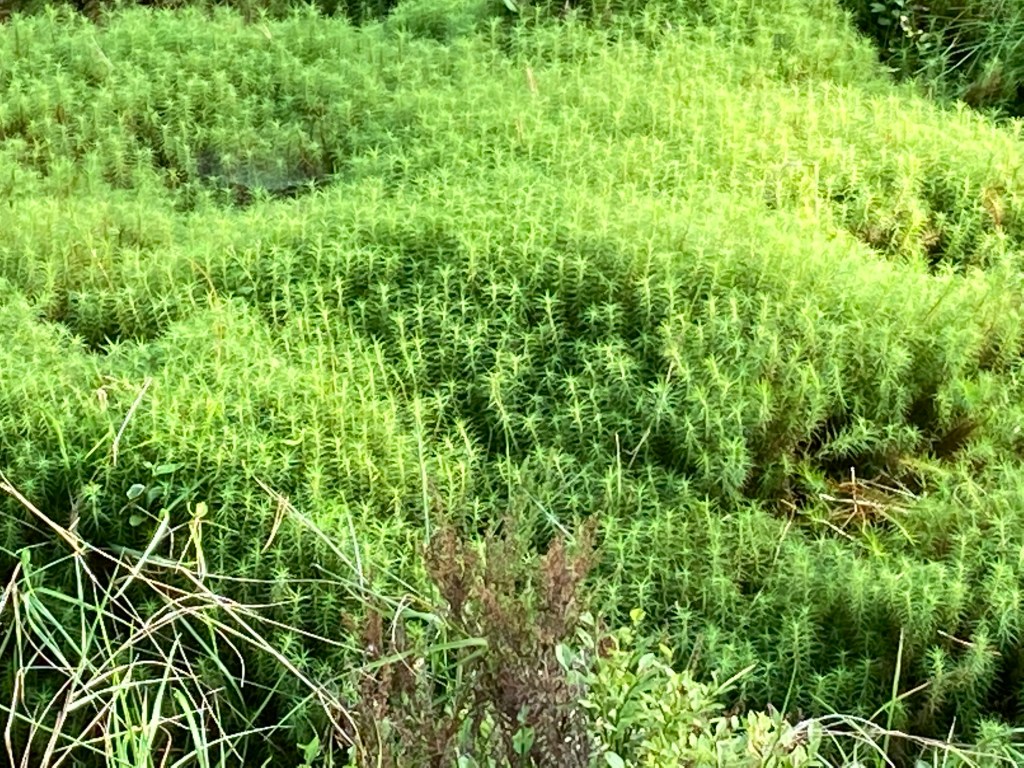
The damp ditches that flank the paths are filled with mosses and ferns.

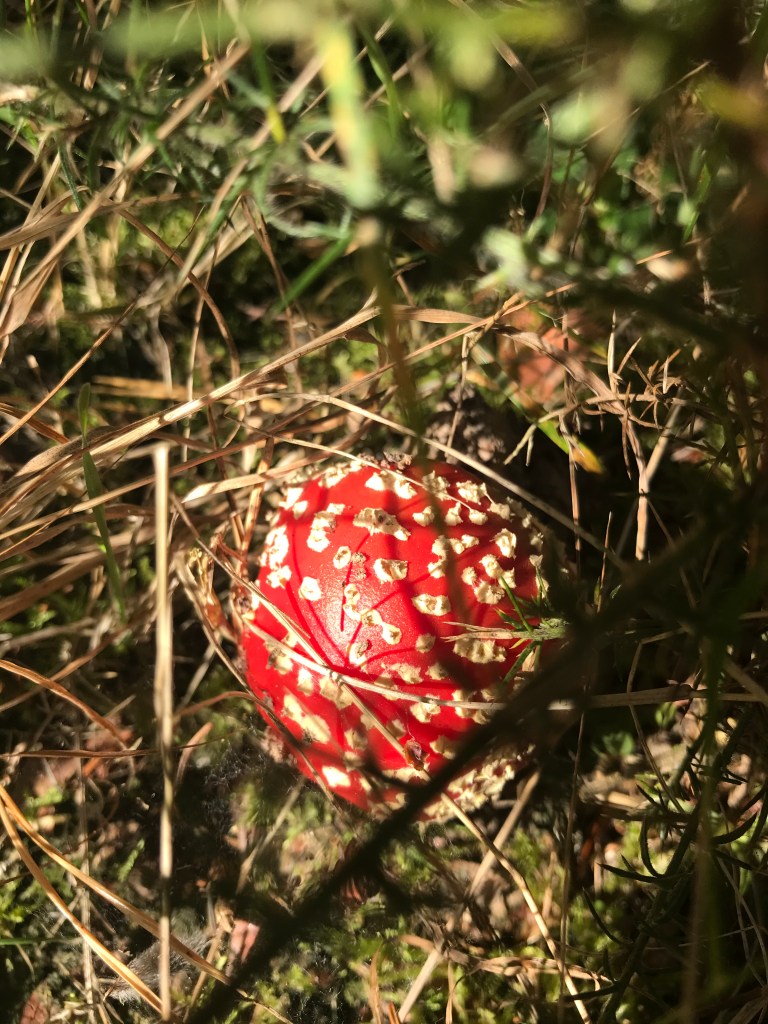
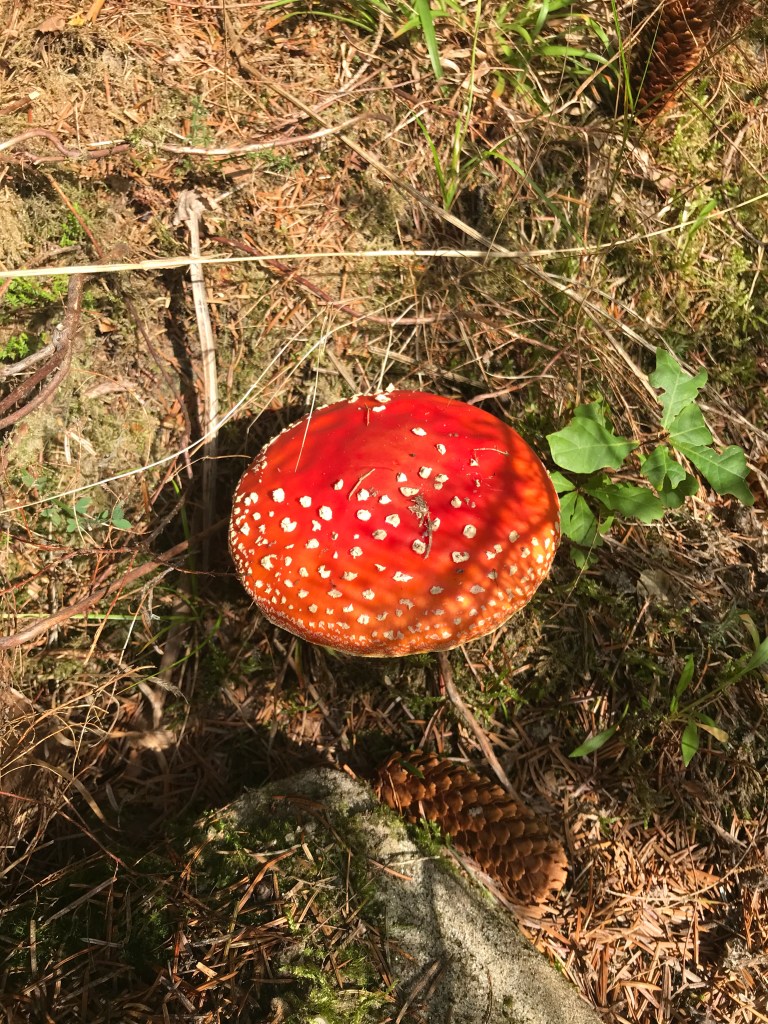
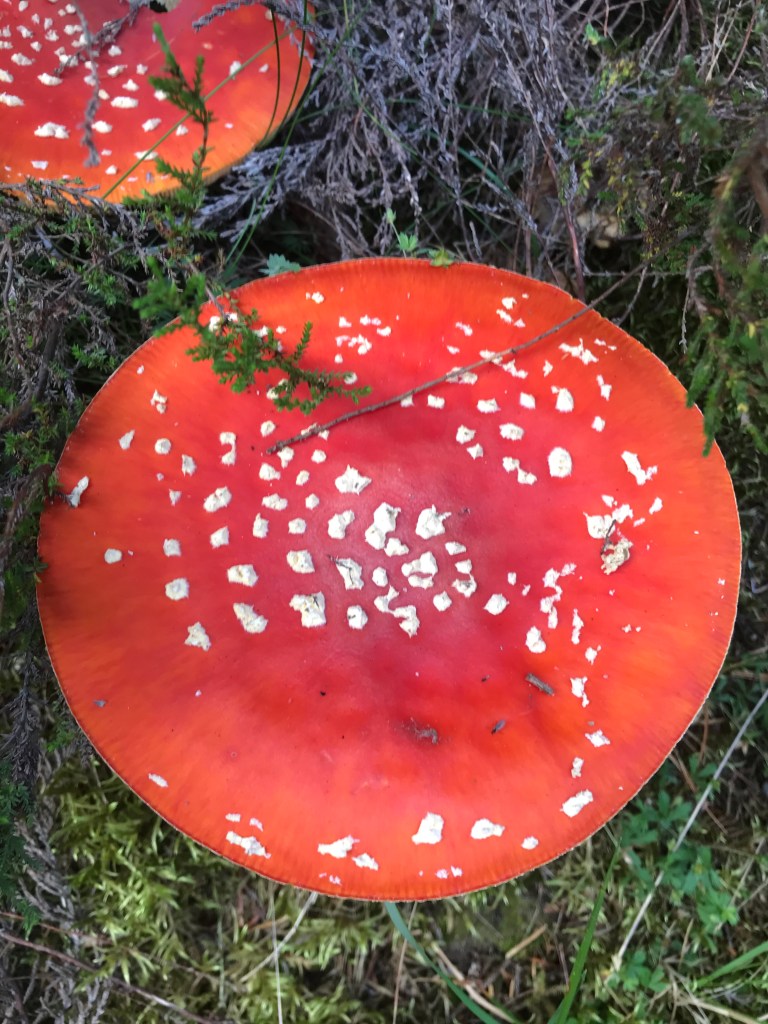
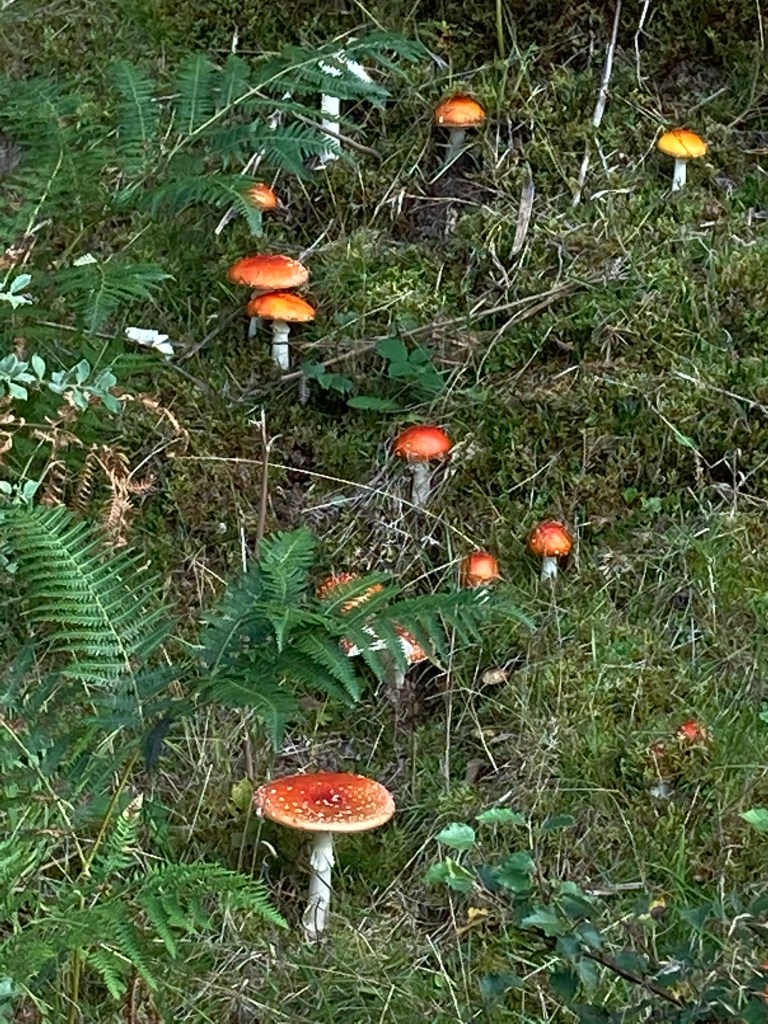
There were large groups of fly agaric fungi, vivid red against the greens and browns of the forest floor. When the toadstools first push through the earth, they are white but the warty outer covering breaks up as the cap expands leaving white spots on the red. These are the classic fungi in children’s book illustrations, very pretty but highly toxic. In addition to the nausea, vomiting and sweating the toxins cause, there is a hallucinogenic effect, historically used in shamanistic rituals in some cultures – no wonder it is associated with fairies and elves!

The scooter battery drained quickly as the trail went uphill and had to cope with the stony parts so we perhaps didn’t go as far as we would have done otherwise (I’ve ordered a second battery so hope to solve this issue). It was still the perfect place to be that day