Posted in Uncategorized

A Walk In The Woods: Thrunton

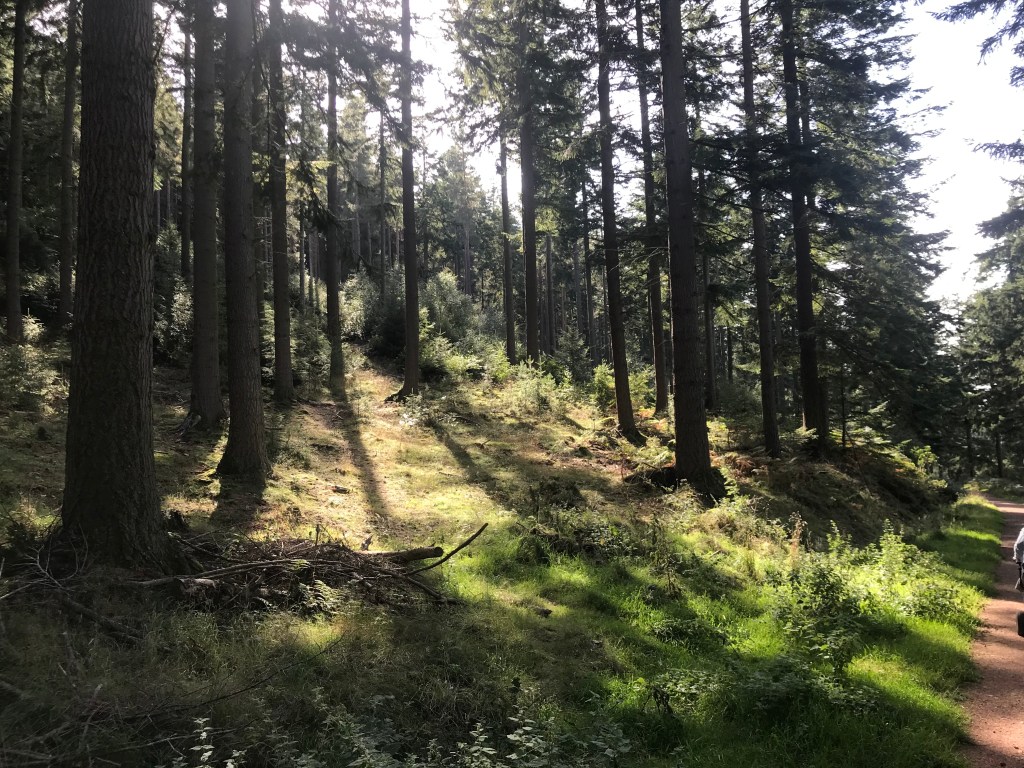
Autumn arrived with a vengeance today, but we’ve certainly had a good run of lovely weather over the last couple of weeks. One warm day we decided to head for the hills rather than the coast, which was still pretty busy at that point. We went to Thrunton Woods, which is off the A697, west of Alnwick.

This is a Forestry England site, planted with conifers. There are marked trails of various distance and difficulty and some lead to points of interest such as a cave (the refuge of a 19th century monk), Hob’s Nick (a gully said to be haunted by hobgoblins) and a prehistoric fort. Some of the routes are quite steep but lead to spectacular views from hilltop crags. Cyclists and horse riders are also welcome on the trails.

I was using my new mobility scooter. Some parts of the main paths are quite treacherous as they are very rough and stony, and I wouldn’t even attempt some of the more difficult routes, but that still left plenty to go at. Buddy the Labrador loves Thrunton Woods and it’s great for dogs, although ticks can be a problem. Dog owners should also note that there are no dog bins. We always see a lot of bagged up dog waste dumped near the car parks, which is horrible! Why can’t people take it home? If it’s away from a path, any unbagged dog mess left will soon decompose. The plastic bags won’t. Moving swiftly on…..

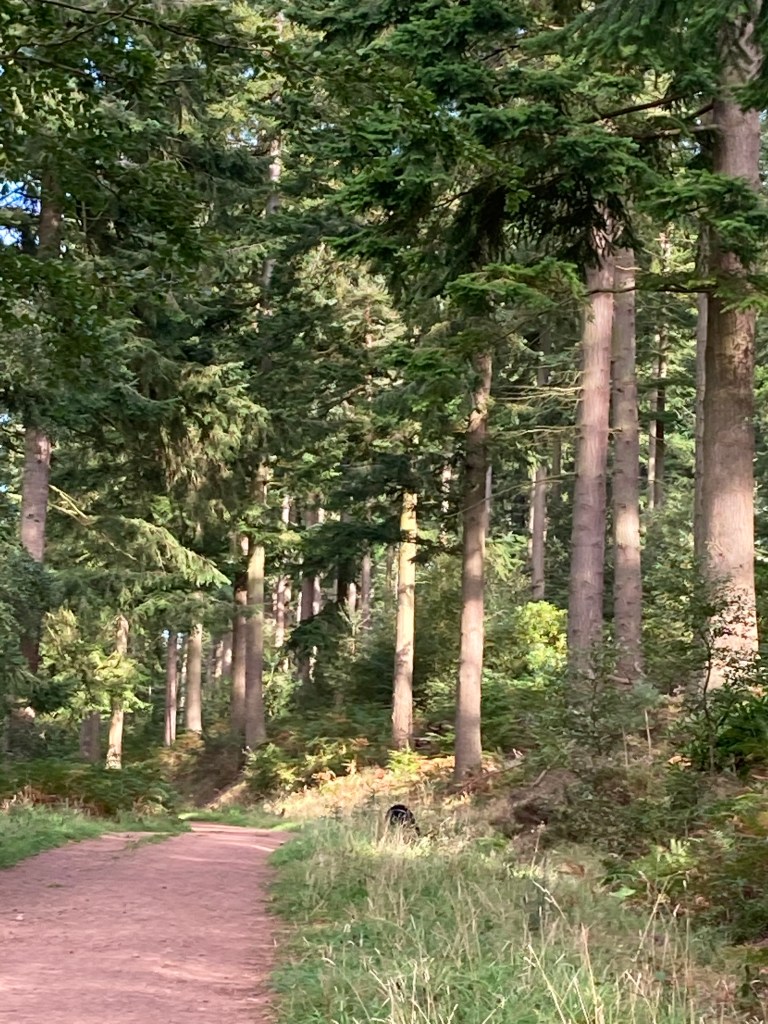
,There is always something very atmospheric about mature woodland and Thrunton is no exception. The rays of afternoon sun were filtering through the trees and it was very still: beautiful but almost eerie.

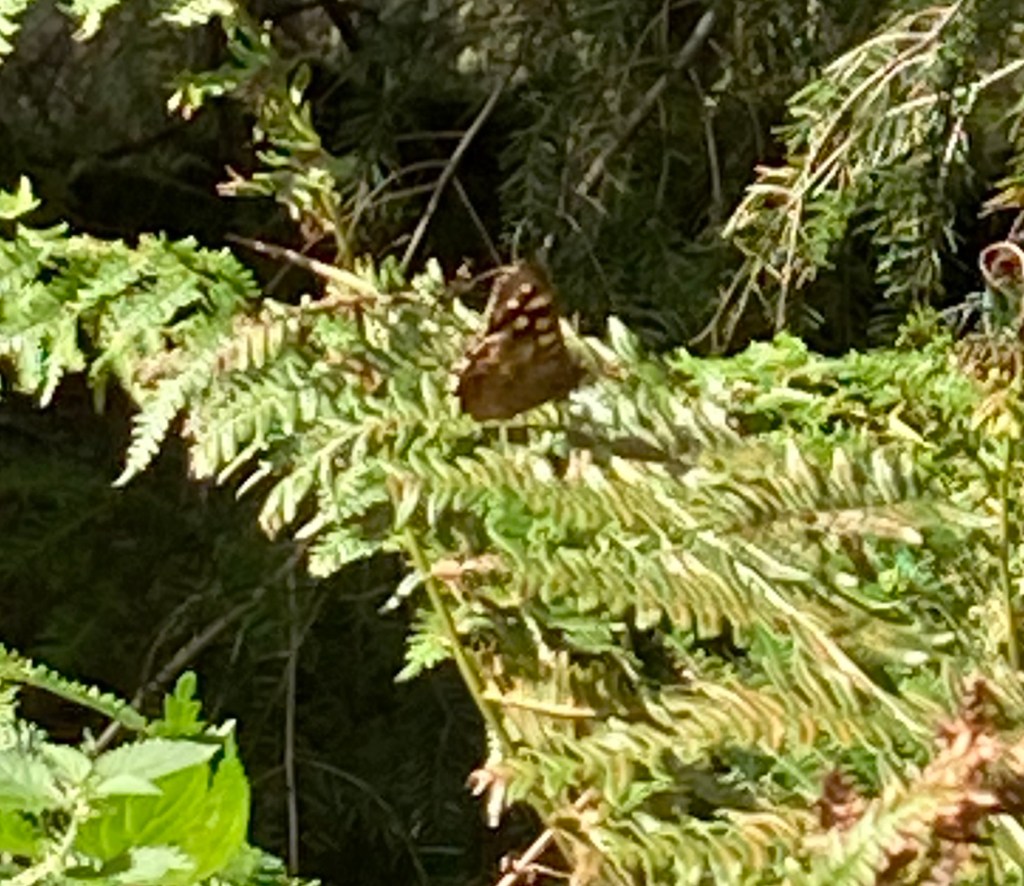
It felt warm in the sunny spots on the paths and late summer butterflies were fluttering about or alighting on the vegetation to soak up the heat.
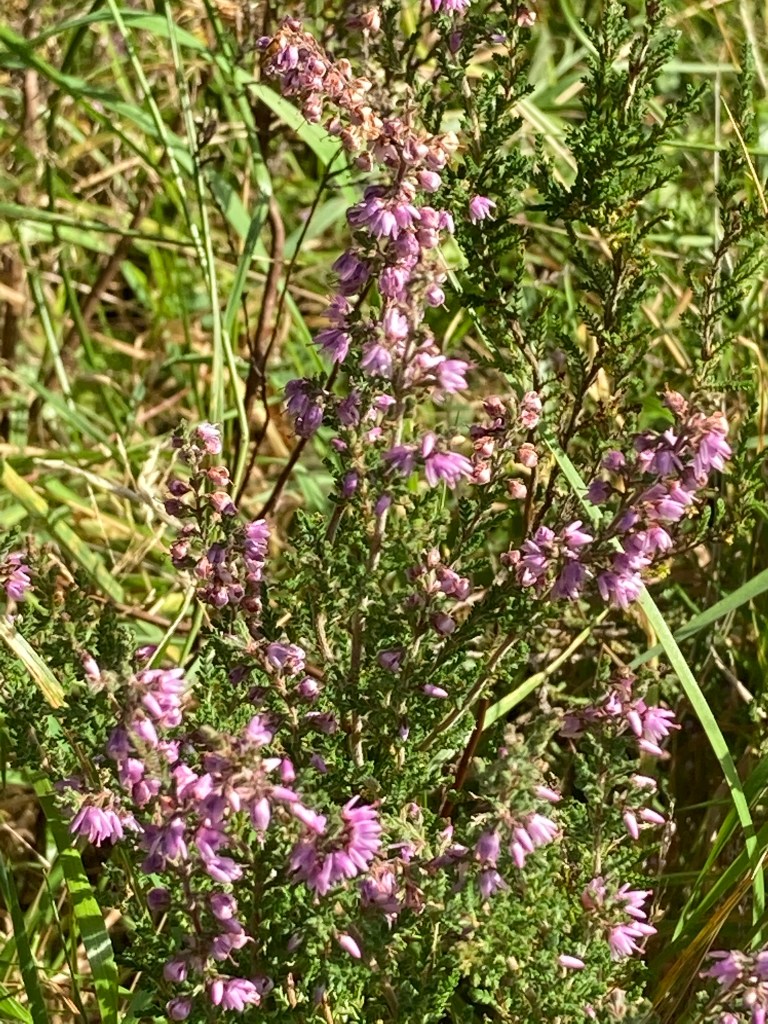
It’s always interesting to look at the flora of different habitats. The moorland that surrounds Thrunton Woods is purple with blooming heather in late summer and there is heather on the trail margins in the woods too.
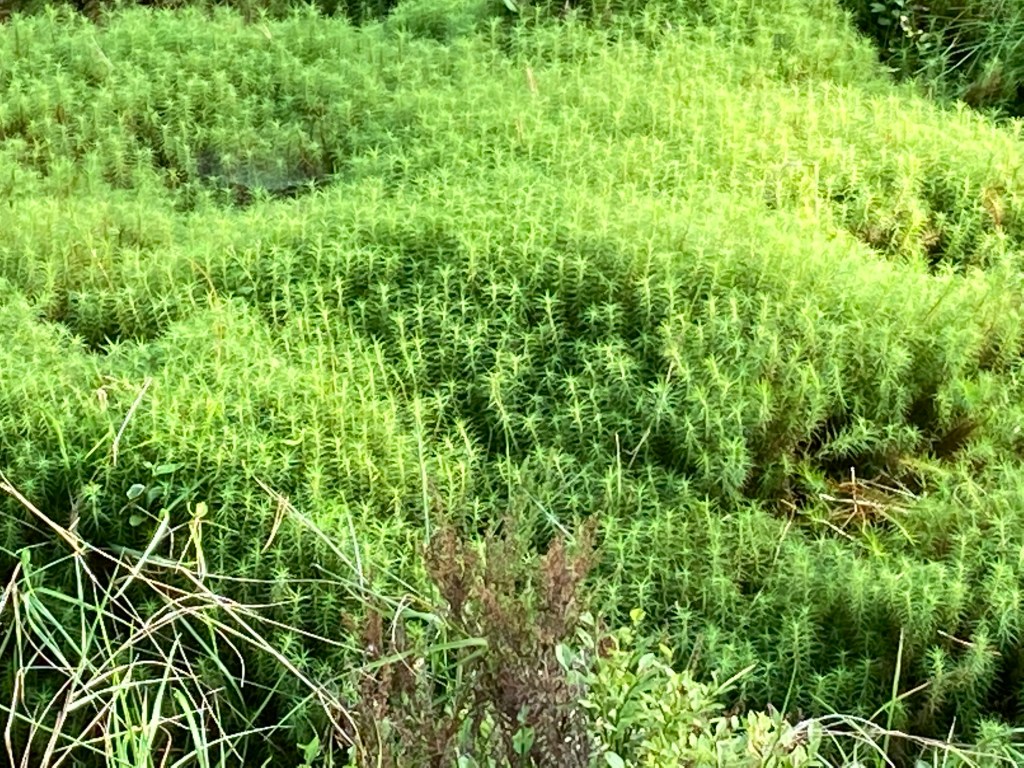
The damp ditches that flank the paths are filled with mosses and ferns.
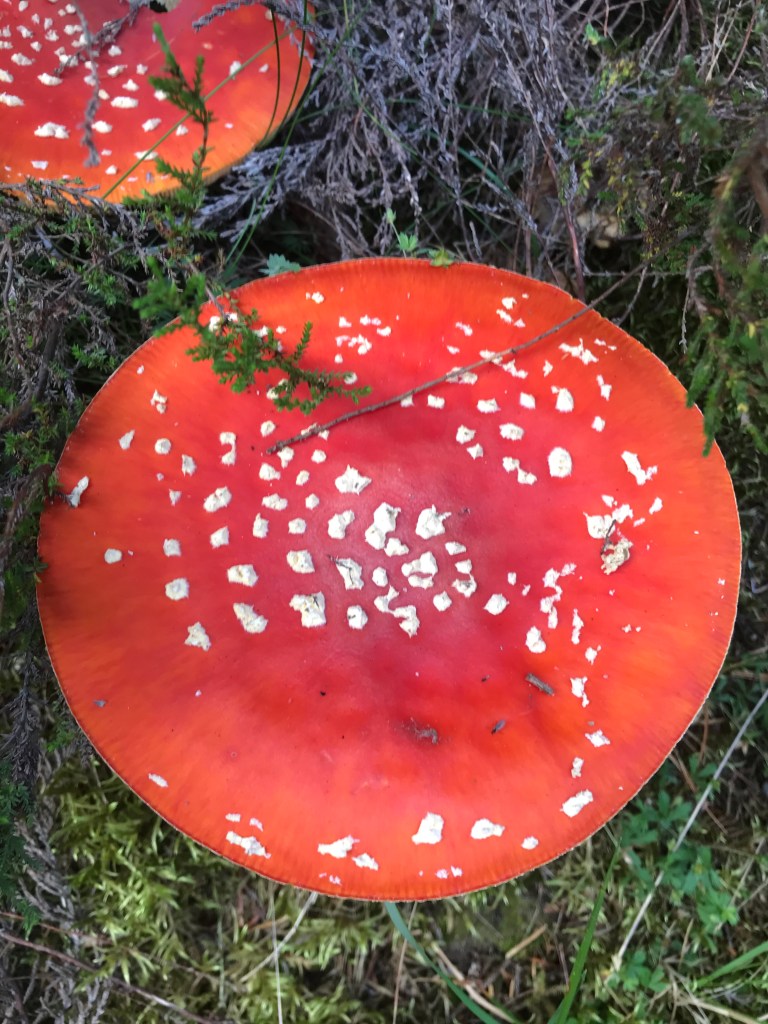
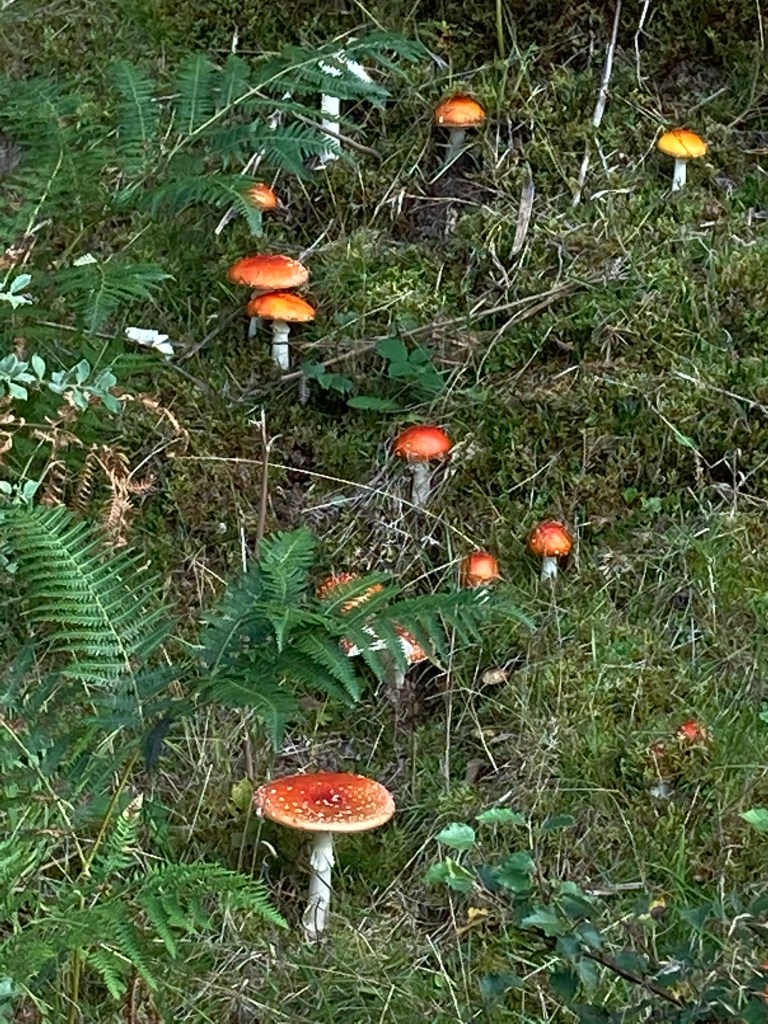
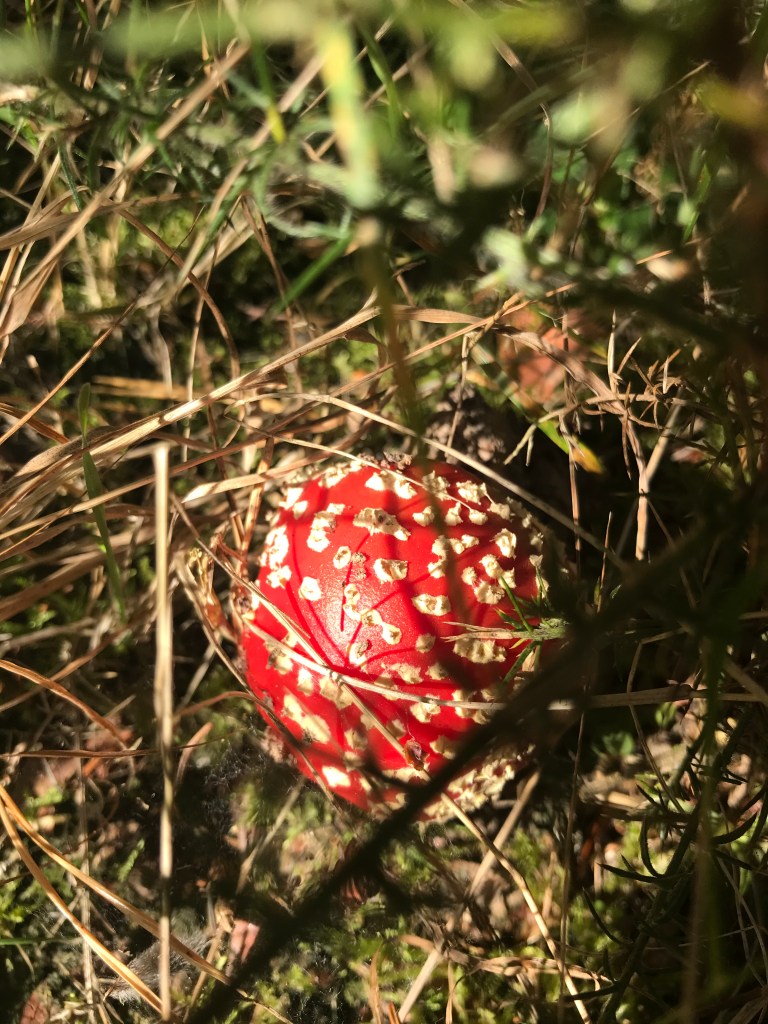
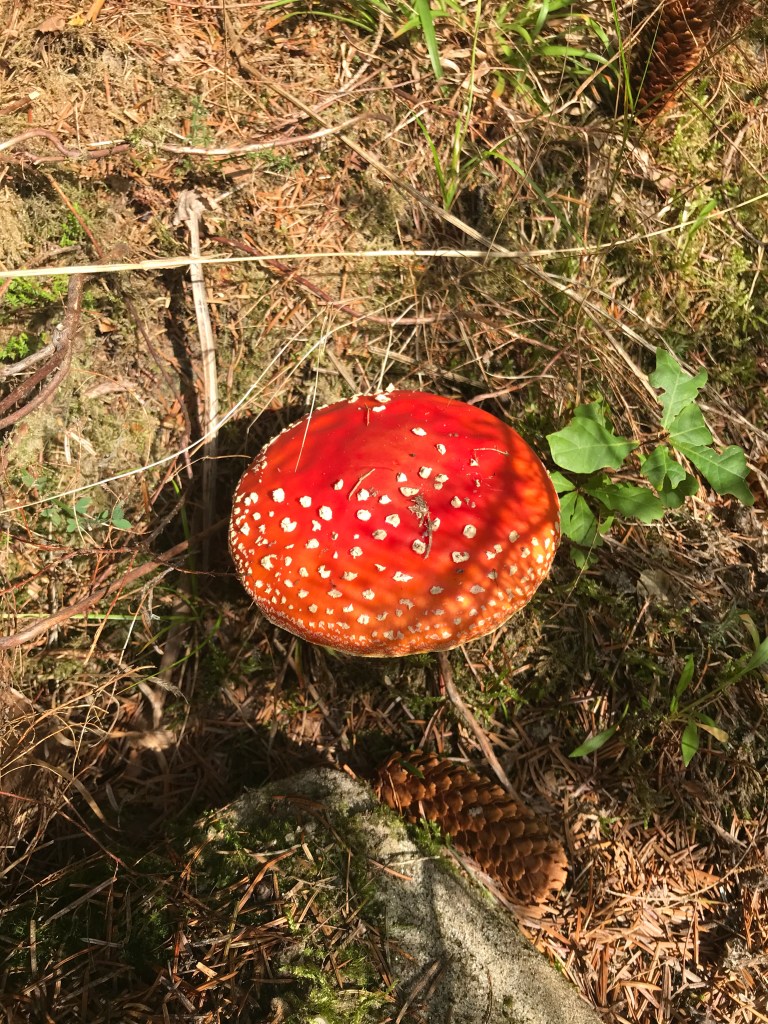
There were large groups of fly agaric fungi, vivid red against the greens and browns of the forest floor. When the toadstools first push through the earth, they are white but the warty outer covering breaks up as the cap expands leaving white spots on the red. These are the classic fungi in children’s book illustrations, very pretty but highly toxic. In addition to the nausea, vomiting and sweating the toxins cause, there is a hallucinogenic effect, historically used in shamanistic rituals in some cultures – no wonder it is associated with fairies and elves!
The scooter battery drained quickly as the trail went uphill and had to cope with the stony parts so we perhaps didn’t go as far as we would have done otherwise (I’ve ordered a second battery so hope to solve this issue). It was still the perfect place to be that day
Posted in Uncategorized

August Wildlife Walk

During this crazy year, when time has either been standing still or passing us by, it’s quite reassuring to go for a walk and see the passing of the seasons. Whatever else happens, the wild plants still come into flower around the right time and the swallows migrate here. The farm year continues too and we see fields change as crops grow and reach harvest and spring lambs grow bigger.

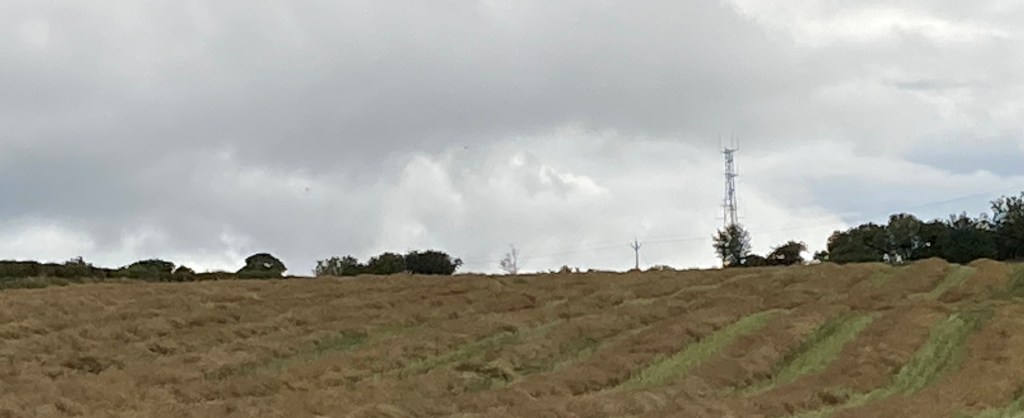
Today I took my usual walk near the village and the first thing I spotted was that some of the meadows have been cut – the warm wet weather has really encouraged grass growth and hay and silage making.

The oilseed rape crop is ripening. The acid yellow flowers of spring have now been replaced by brown stems and seed pods.

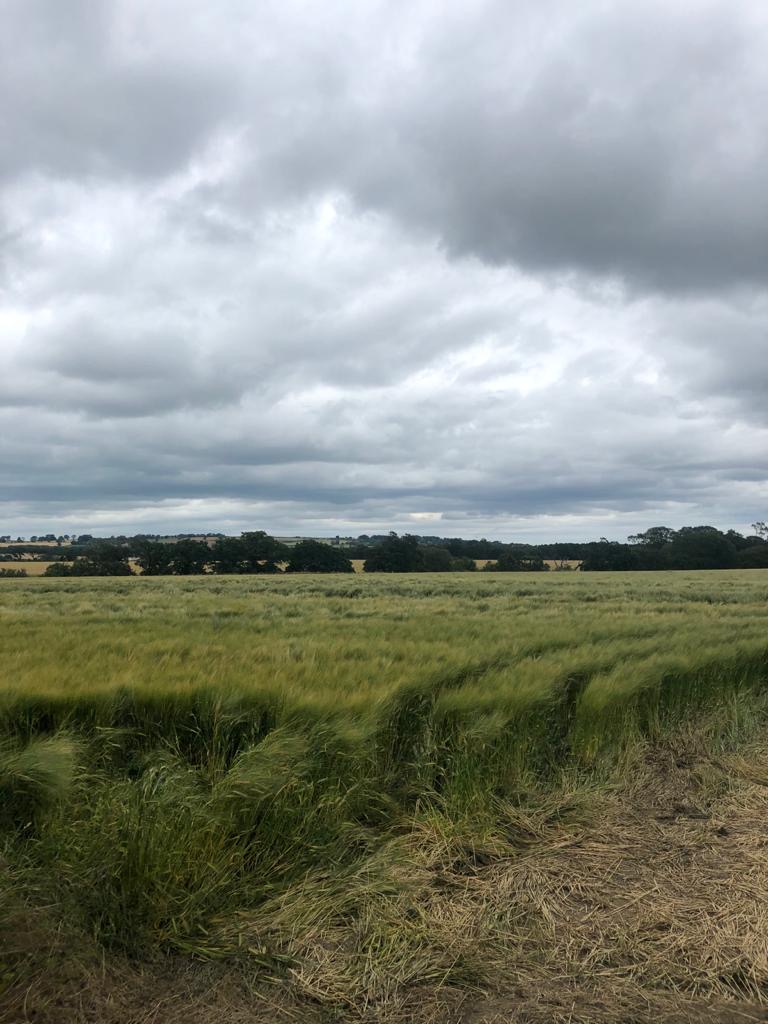
The grain crops are ripening fast and combining has already begun in some places. This barley still has a greenish tinge. I love to watch it swirl about and ripple in the breeze.

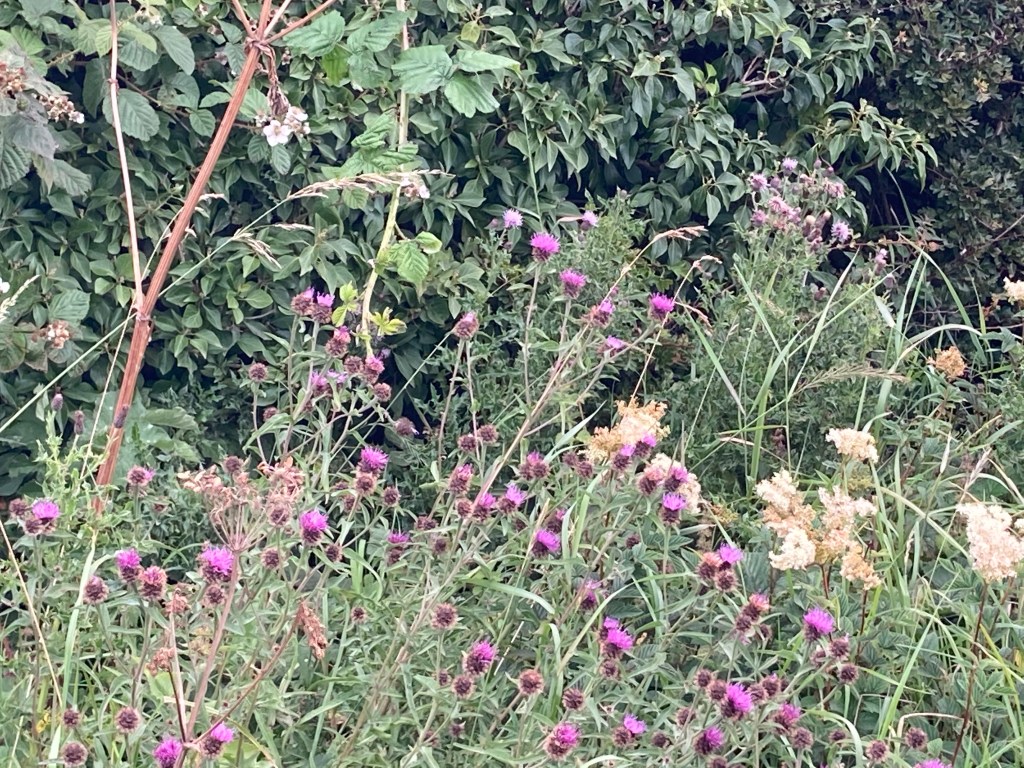
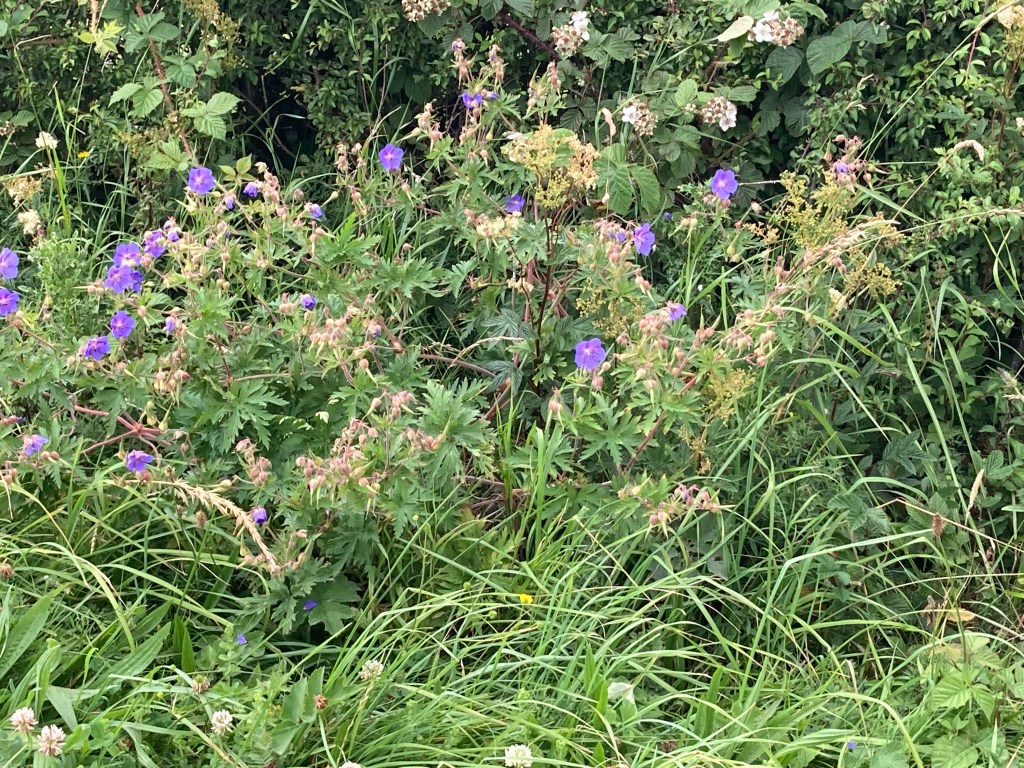
The verges and hedgerows are now a dustier, darker green, with the creamy grass seed heads, thistledown and meadowsweet flowers and accents of purple from thistles, knapweed, meadow cranesbill and woundwort.

Purple Knapweed and Milk Thistle (top right) with creamy Meadowsweet (bottom right)
The brilliant blue-purple flowers of Meadow Cranesbill

The most dominant birdsong I heard today was that of the yellowhammer: a rising sequence of notes followed by a single, lower, longer one. They seemed to follow me and every so often I’d catch a glimpse of one on top of a hedge.

There were lots of butterflies today, mainly whites, including green-veined whites and also small tortoiseshells and red admirals. I also saw this beautiful pale moth – so far I can’t identify it.

As we turned, a roebuck crossed by the bridge. They are very common round here, but mostly keep themselves well hidden in woodland, especially during summer, so it was lovely to see one.

What aspects of nature characterise this time of year where you live?

Posted in Uncategorized

Wildflower Walks

As we are not making any unnecessary car journeys our walks (or in my case trips on a little mobility scooter) are close to home.We are fortunate to live in a village close to open countryside and some great views. As I’ve been doing the route for a while now, I’ve become really aware of the seasonal changes – the lambs are growing bigger and every day I see different wildflowers coming into bloom.

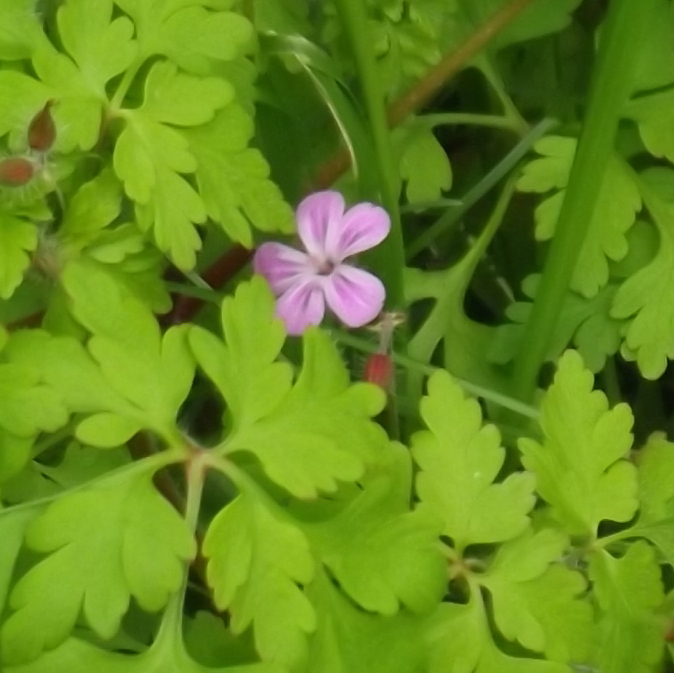
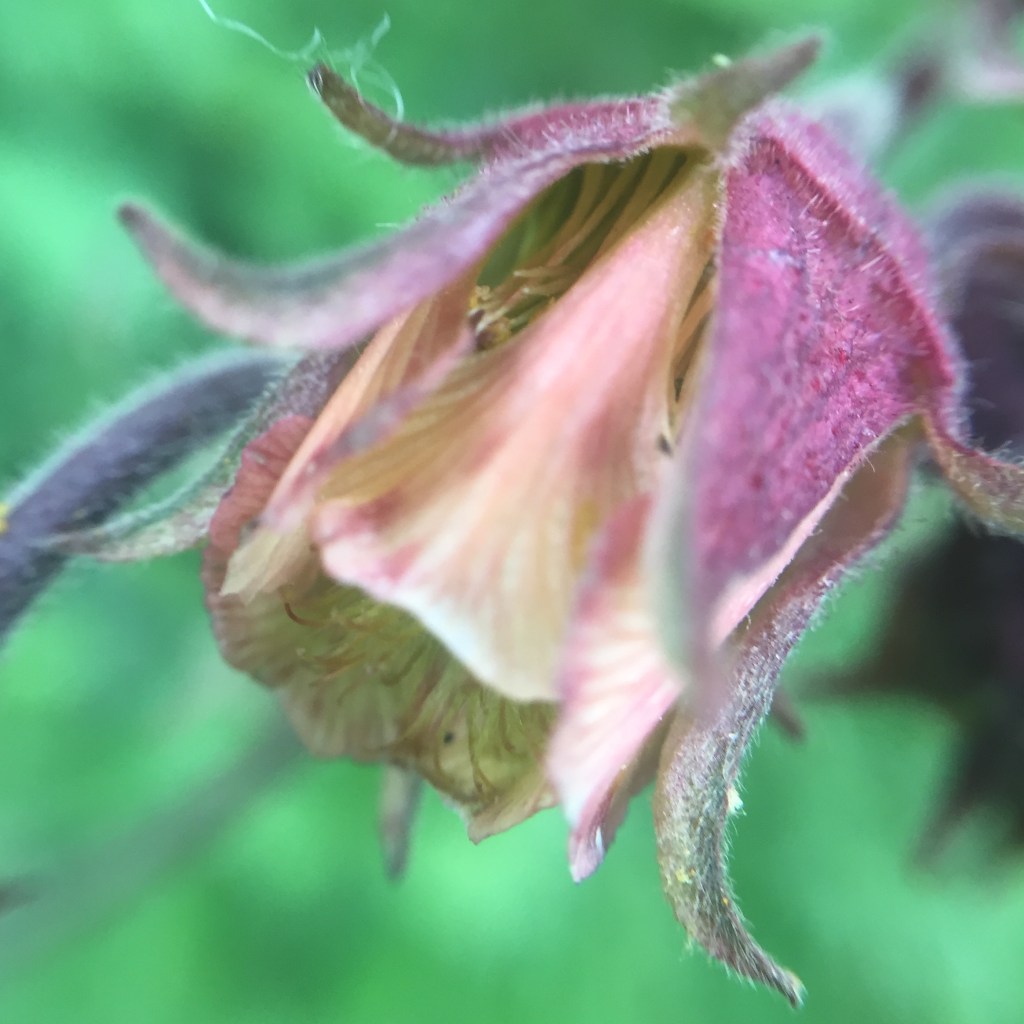
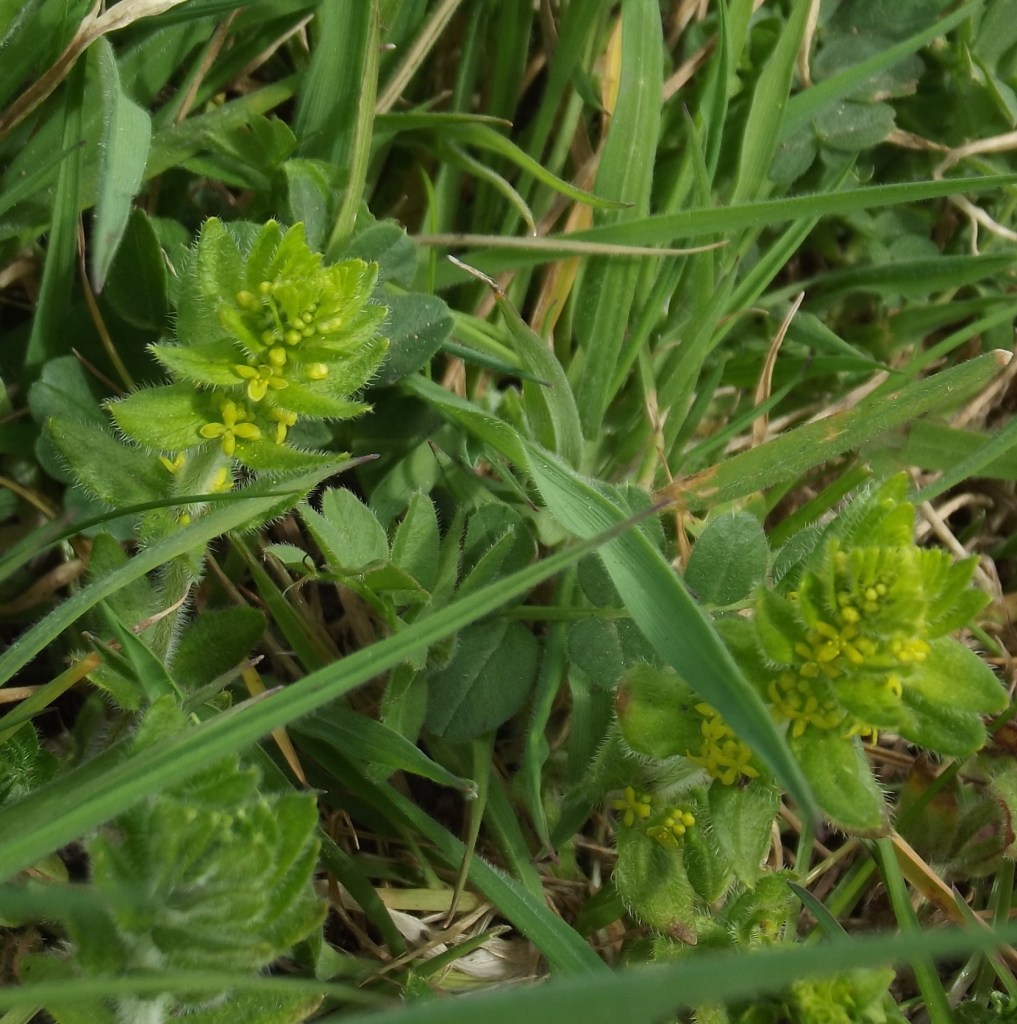
I’ve always been a keen wildlife watcher, and wildflowers are easy in some ways (they don’t run or fly away!). I have a reasonable knowledge of most of the common species, although some plant families have loads of very similar ones that are hard to tell apart. I thought I would create a photographic record of the flowering wild plants I see on my walks. That would challenge me to get better at identifying the trickier ones. I could add to the list as more species come into flower…..it could even become a regular “wildflower of the week” feature on the blog.

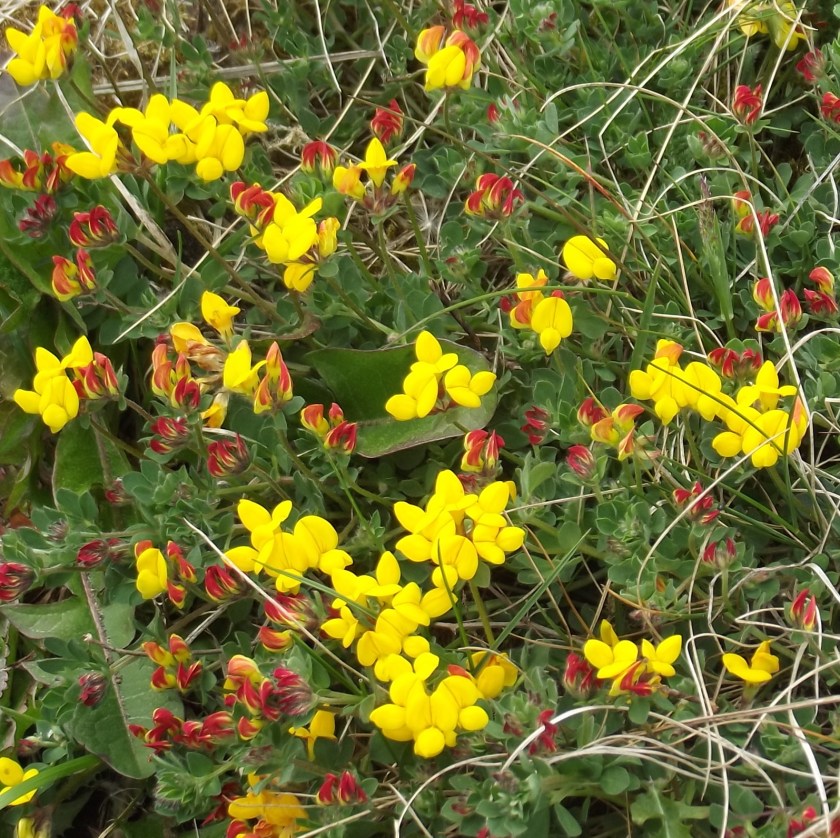
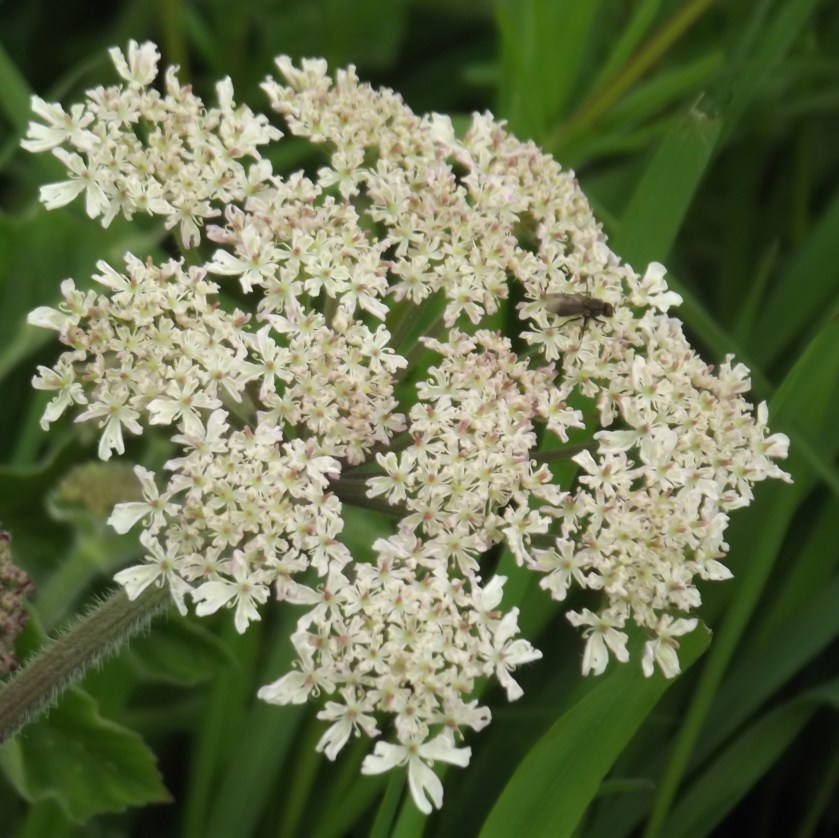
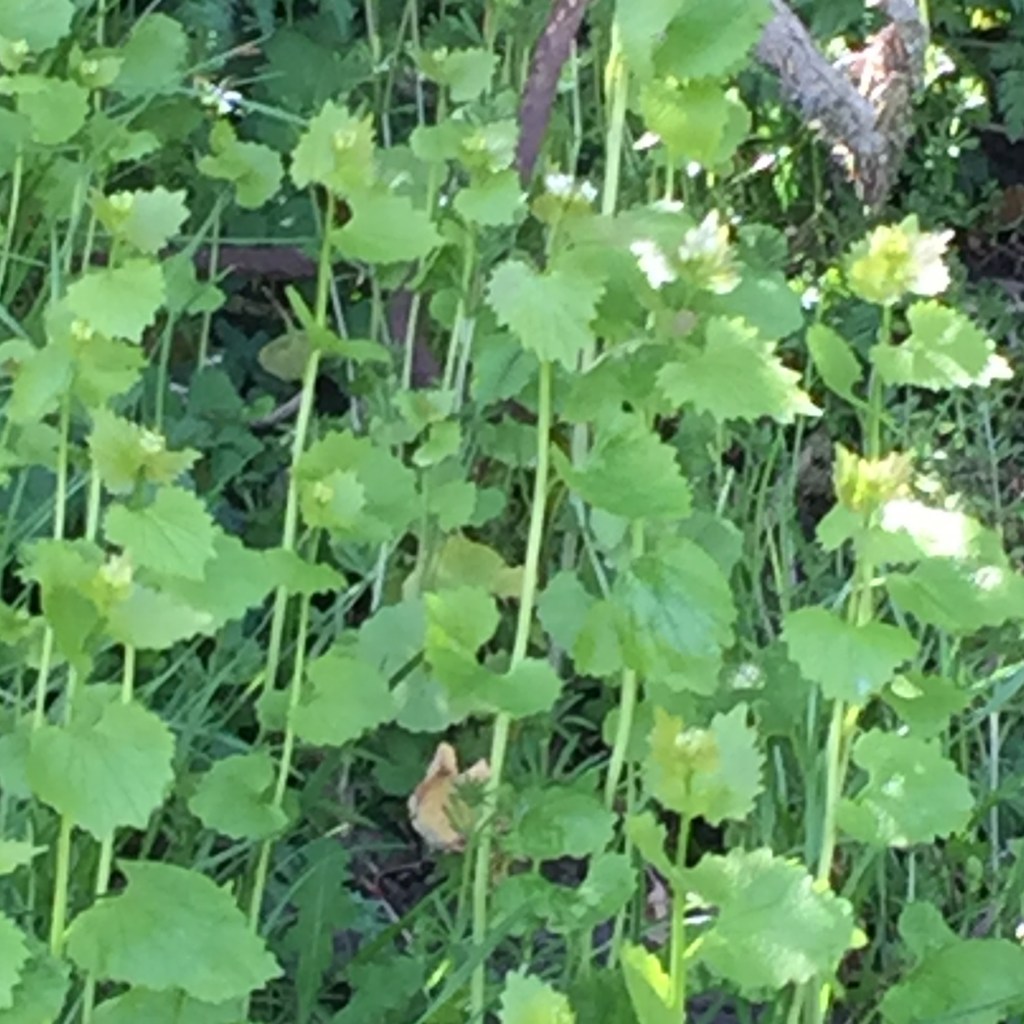
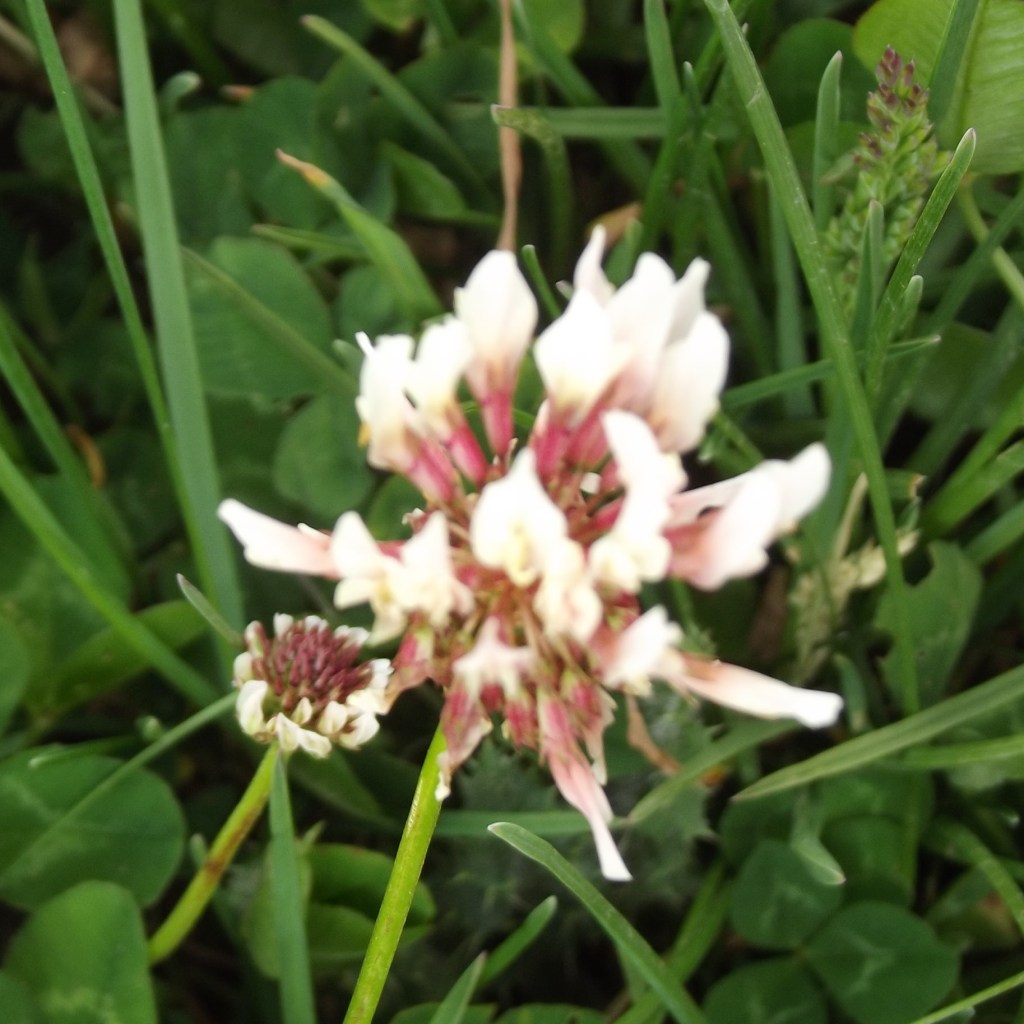
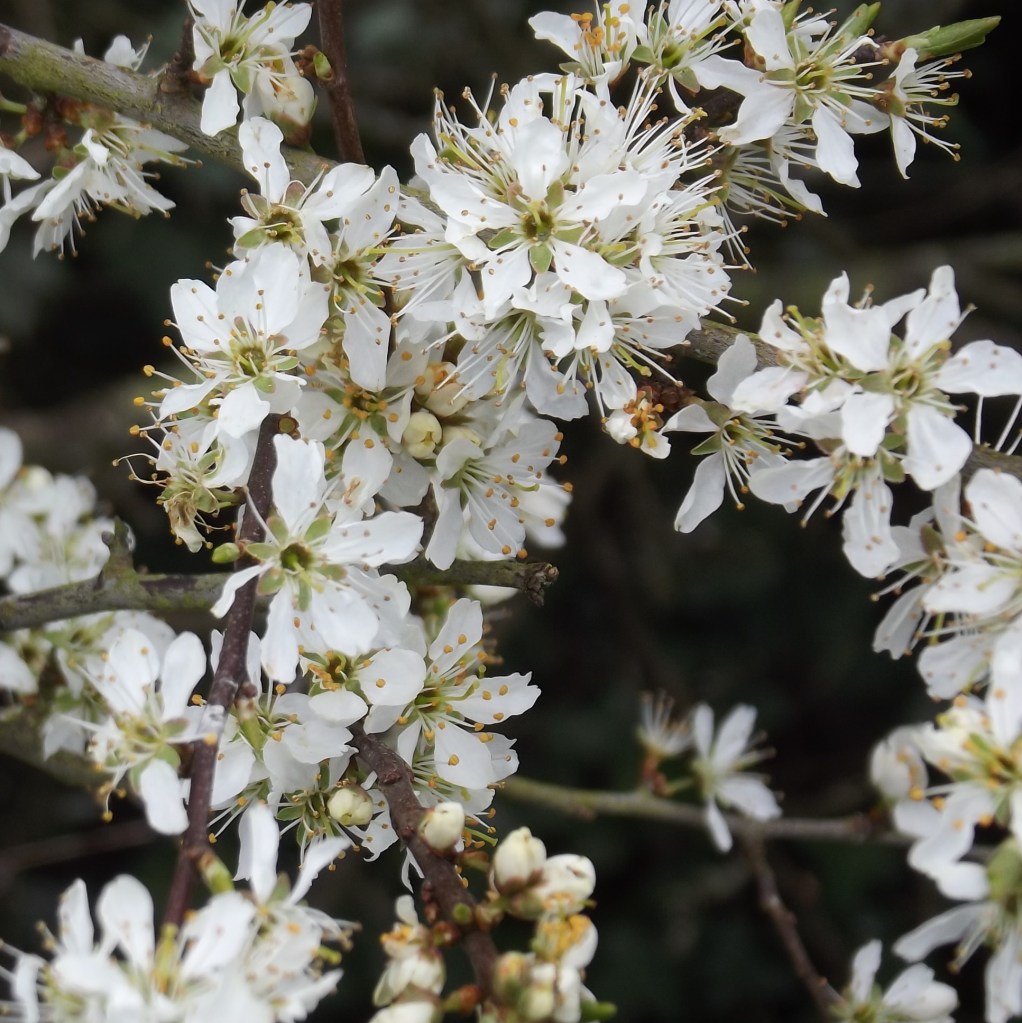
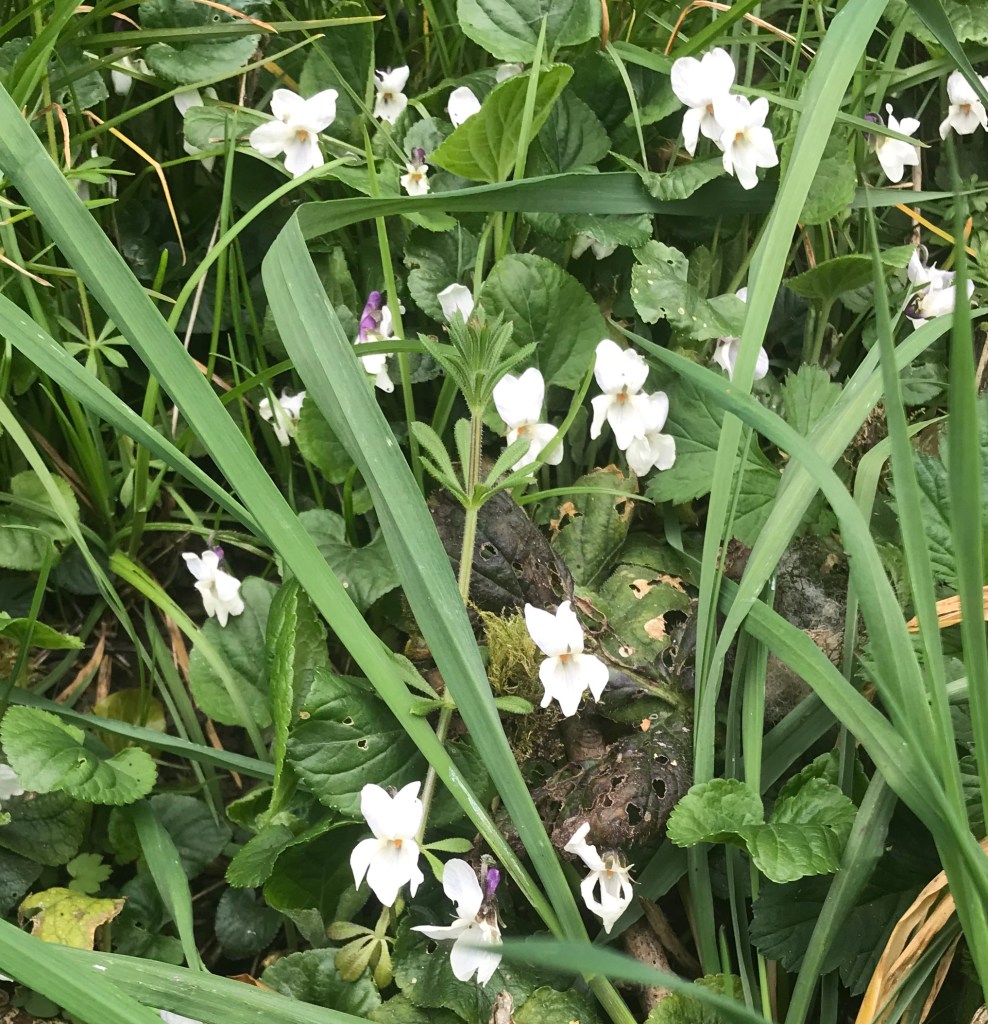
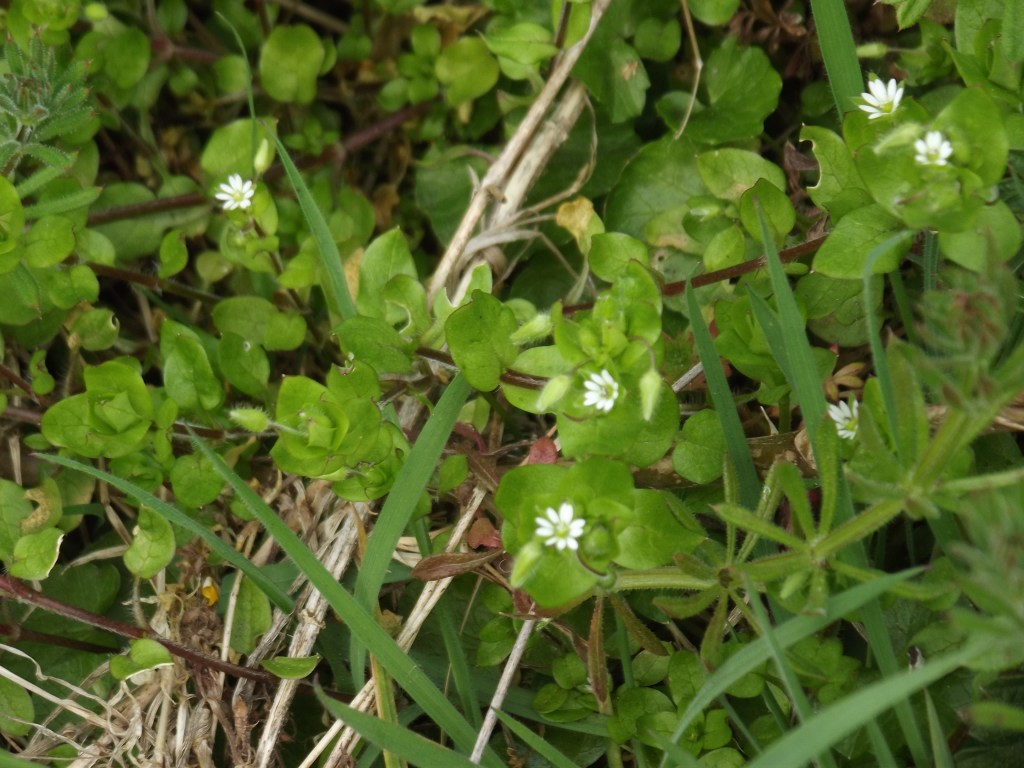
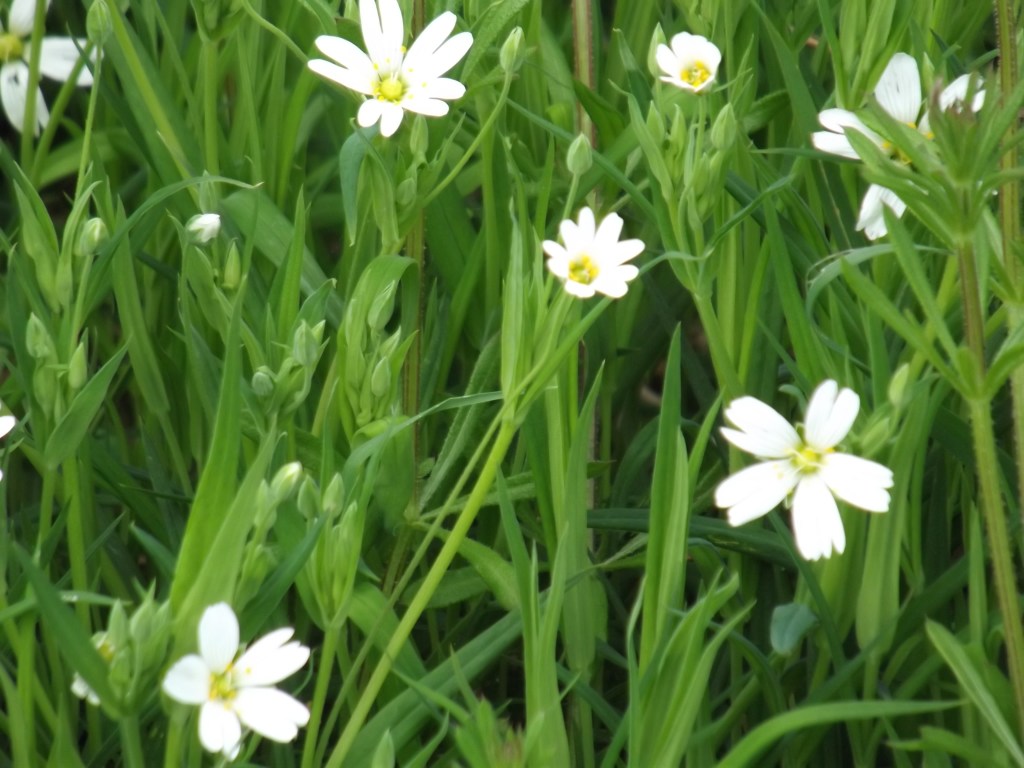
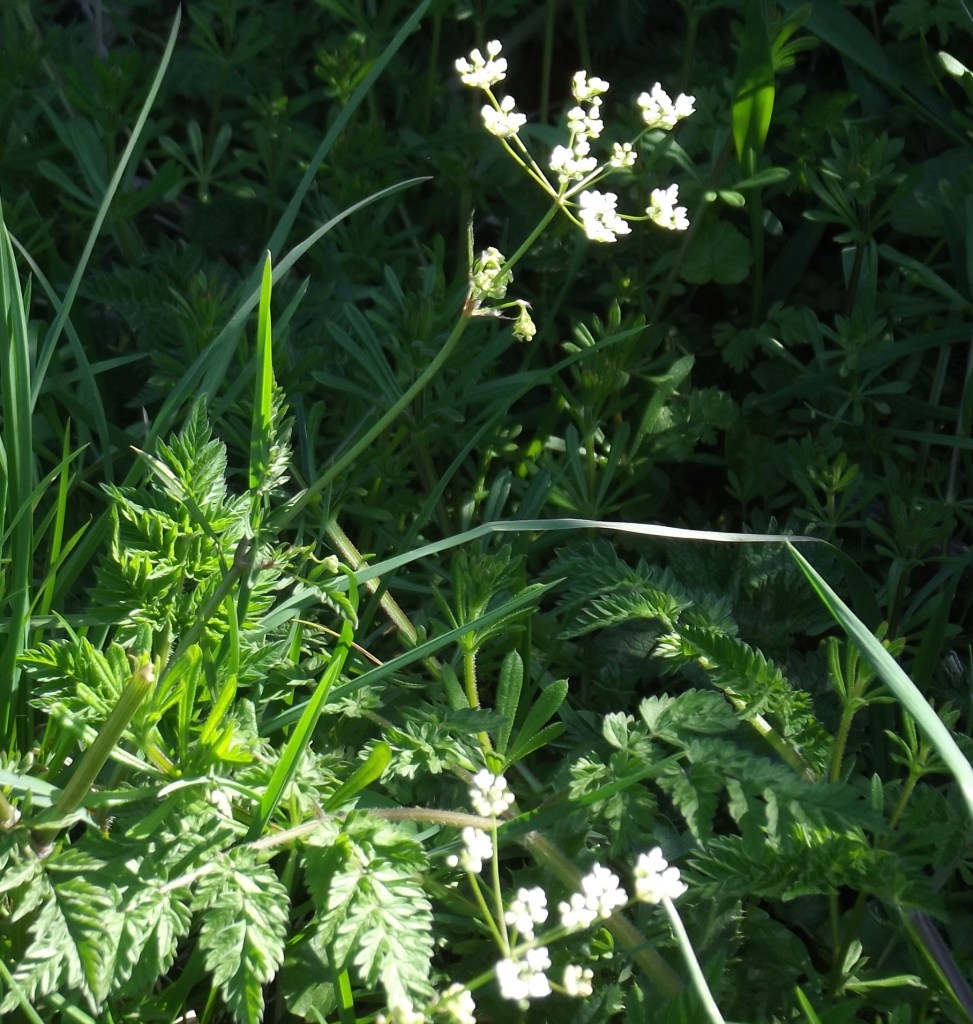
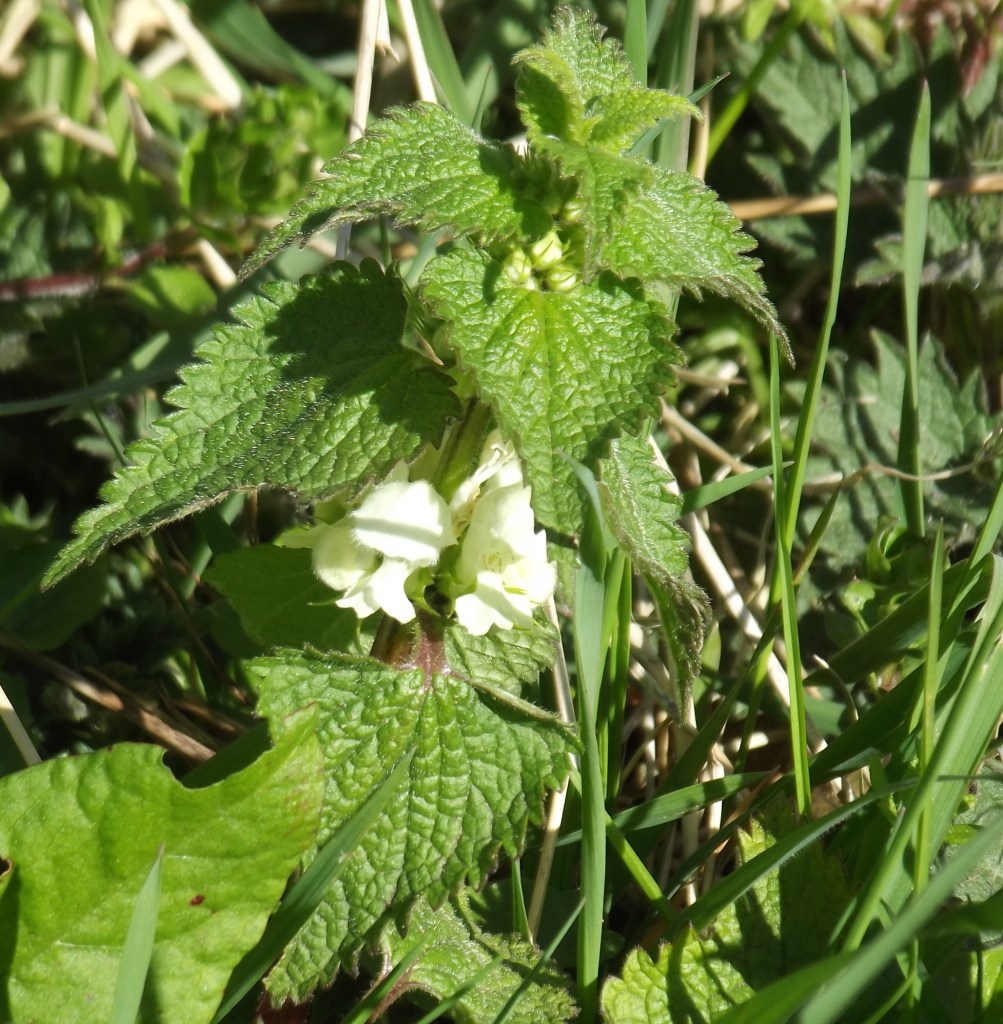
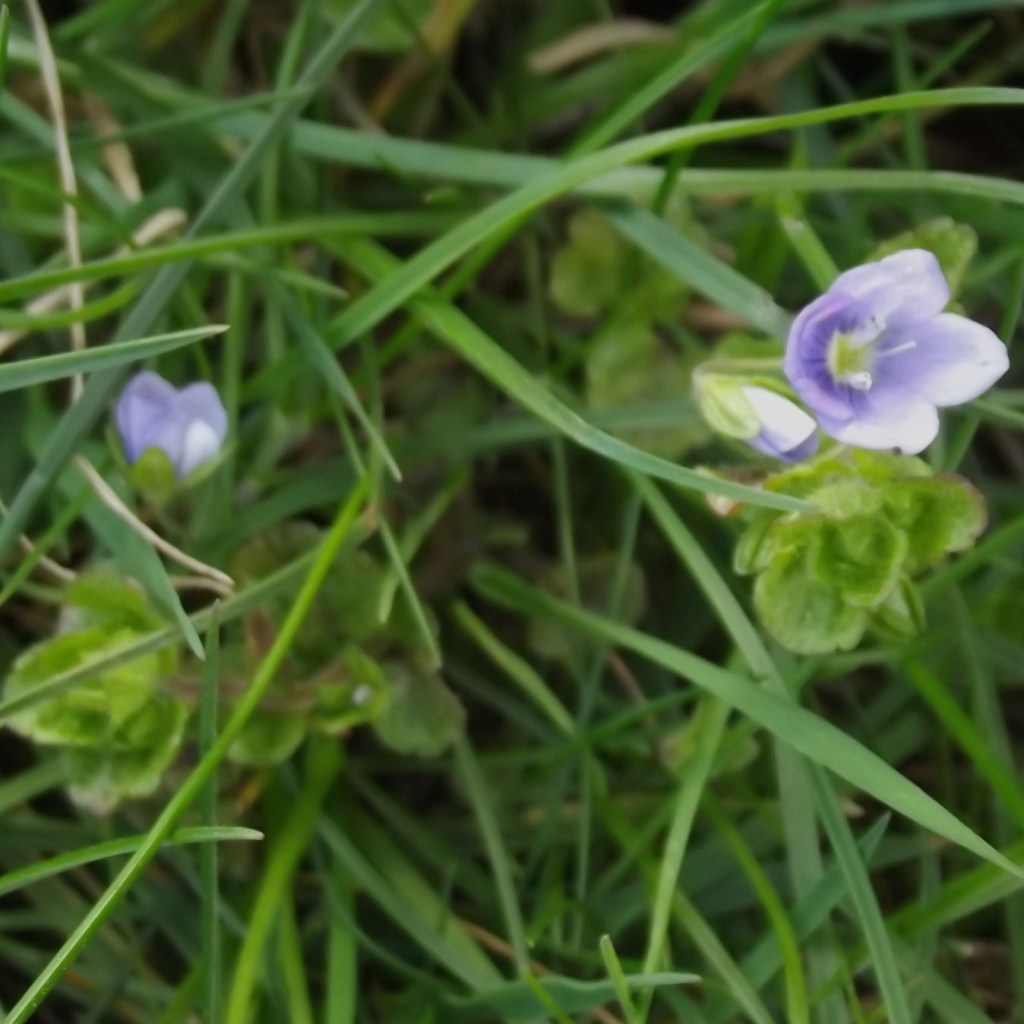
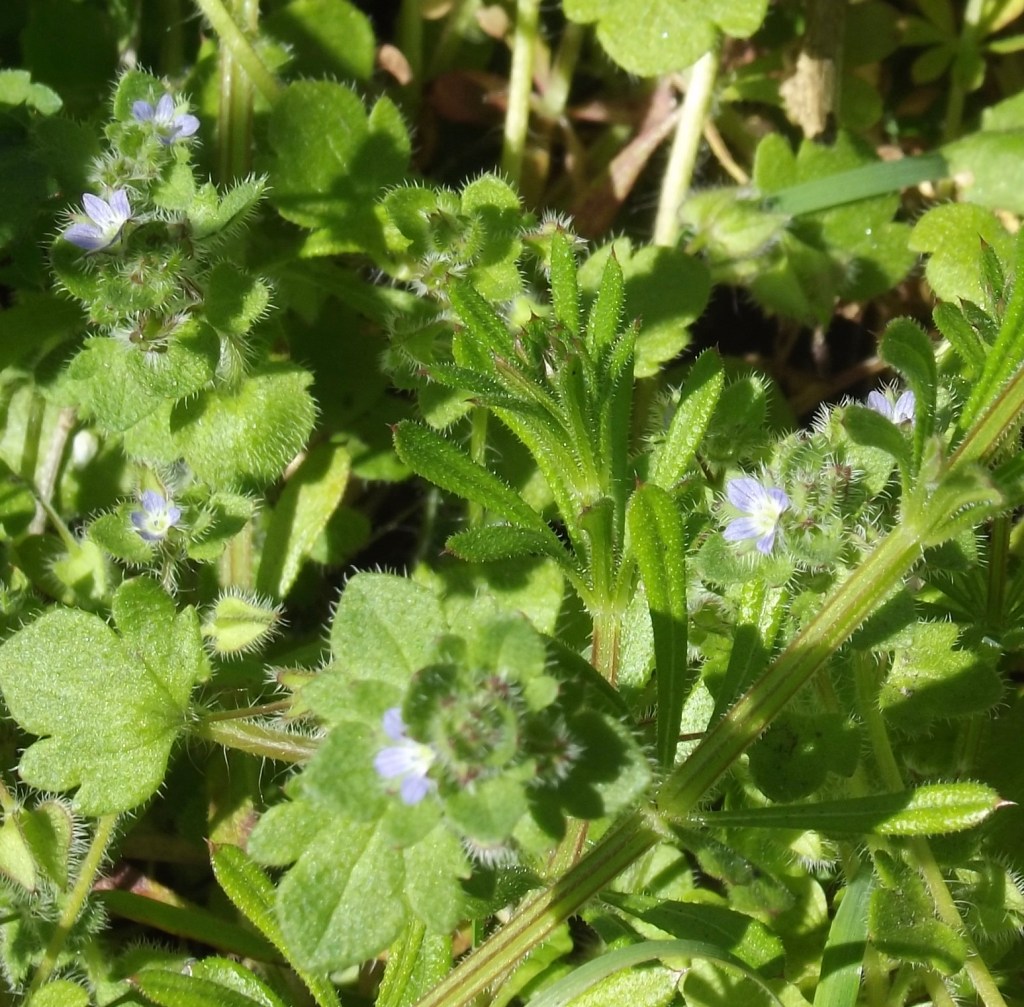
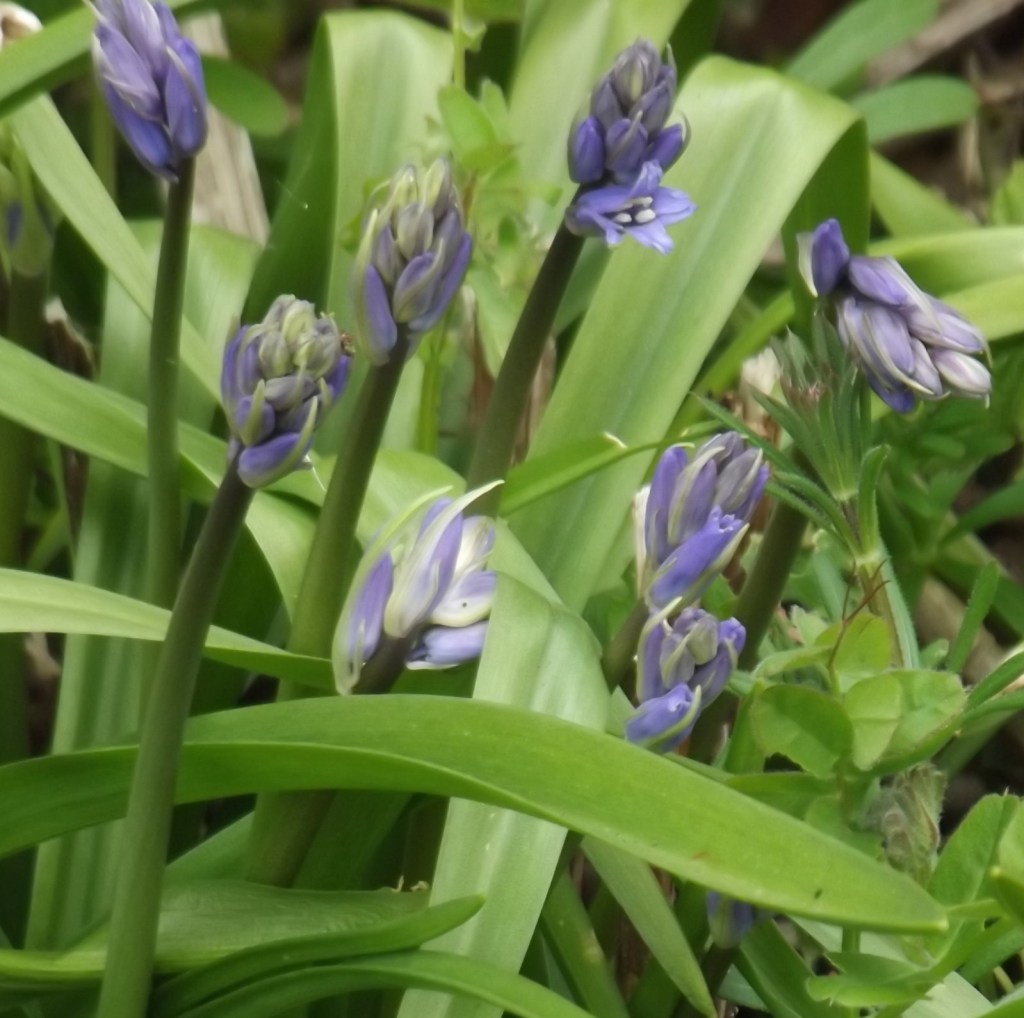
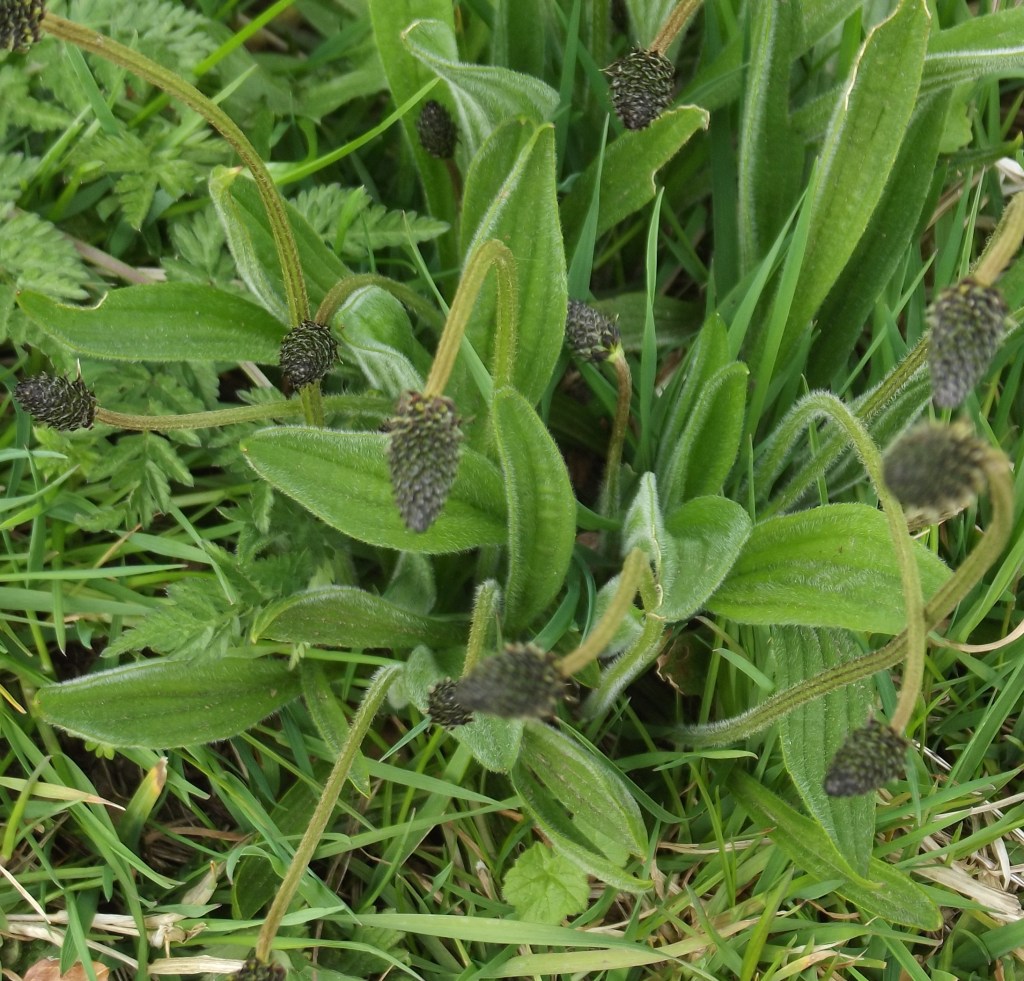
I decided to limit the list to the verges and hedgerows along a particular stretch of the route as you leave the village – so I counted 18 species in flower. Some, like the Lesser Celandine have been out for ages, others, like the last three I only noticed in flower today. I can see different plants’ leaves shooting up and some flower buds are developing so I should be able to keep adding to the list for a while.

I was able to identify most of these from memory but used a magnifier and a field guide to help with a few. I certainly don’t profess to be an expert, so if I got any wrong – please let me know.Some of the photos are better than others, so I may edit the post if I take a if I find a better specimen and/or take a better photograph – hopefully my photography skills will improve too.

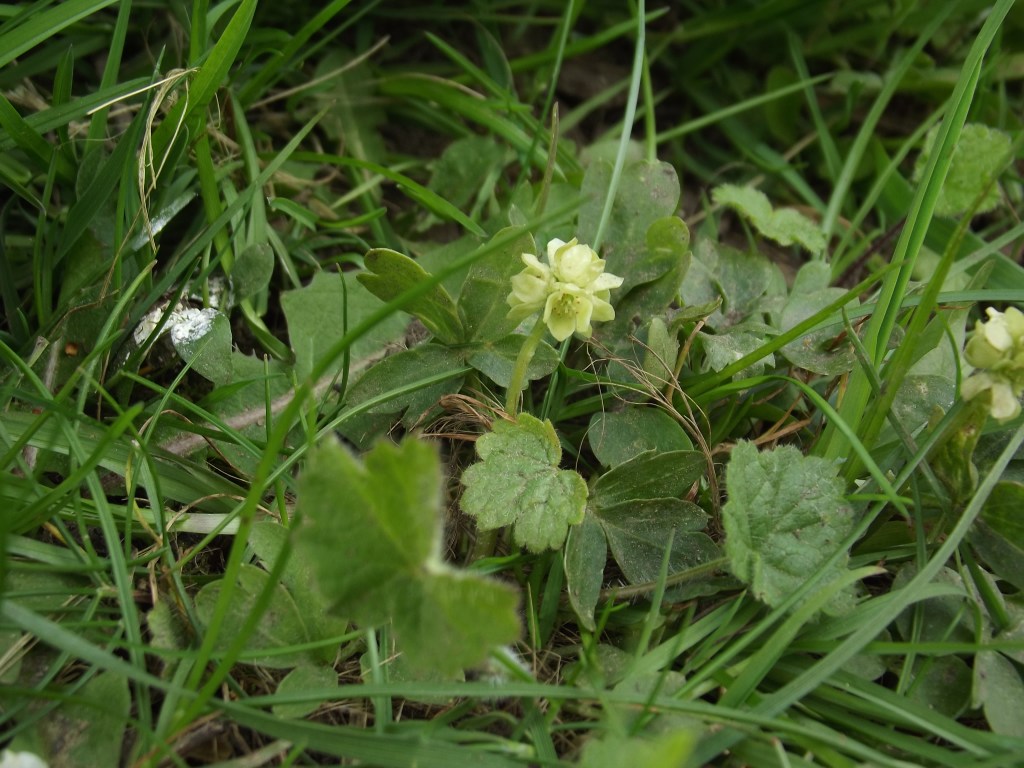
I’m quite pleased with the idea of repurposing my walks into a sort of botanical survey. I also love the way that wildflowers are an integral part of folklore – many have several names, some often specific to an area, that may give a clue to past uses, for example as medicinal or culinary herbs or to dye cloth. One of my favourite country names is sometimes used for the Moschatel – this insignificant little plant bears five tiny green flowers at the top of the stem, one at each side and one on top (as if they were on five faces of a cube) – it’s also known a Town Hall Clocks.

Moschatel, also known as Town Hall Clocks

I wonder what will be the next wildflower of the week?