Posted in Uncategorized

Wildflower of the Week: Primrose

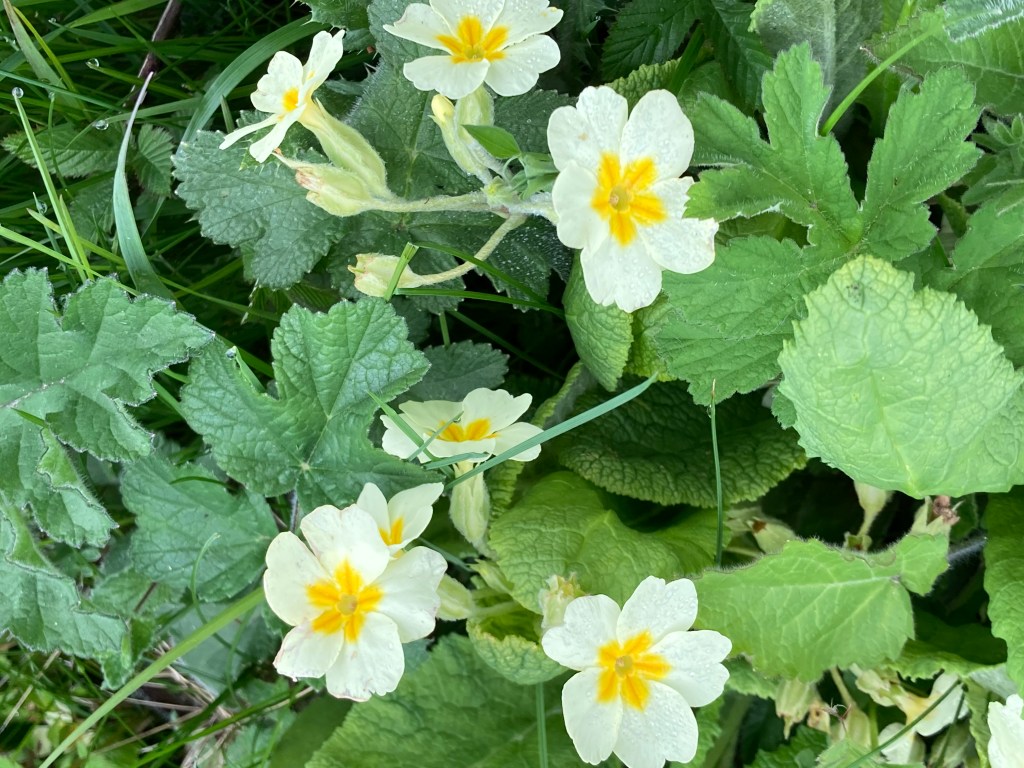
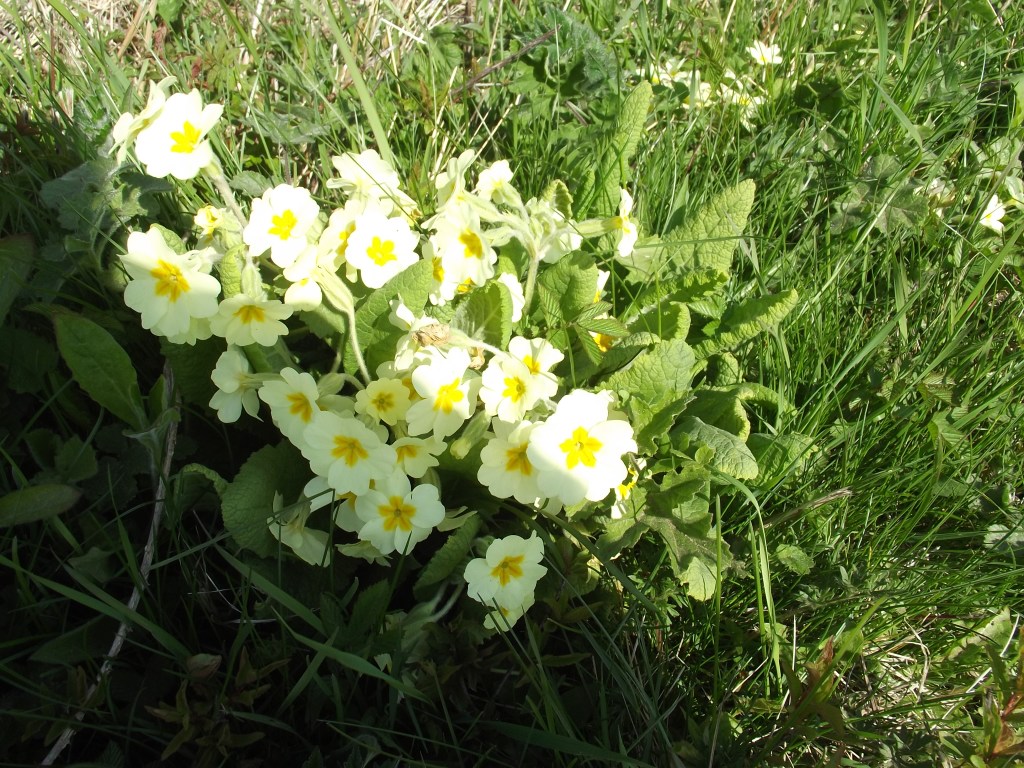
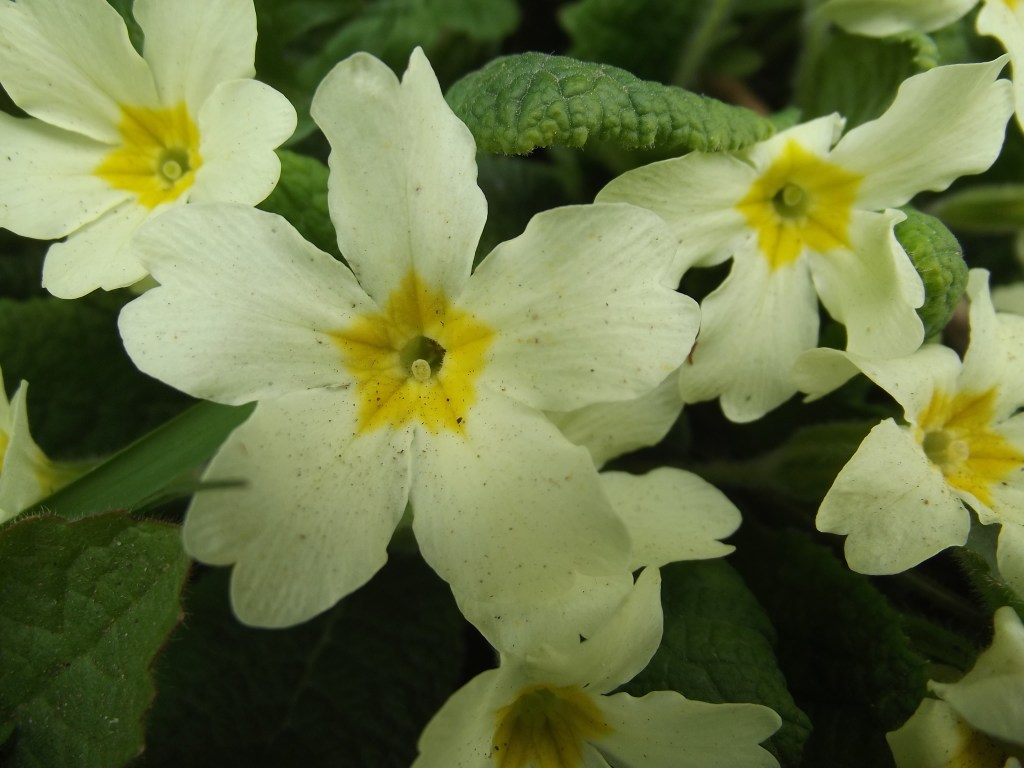
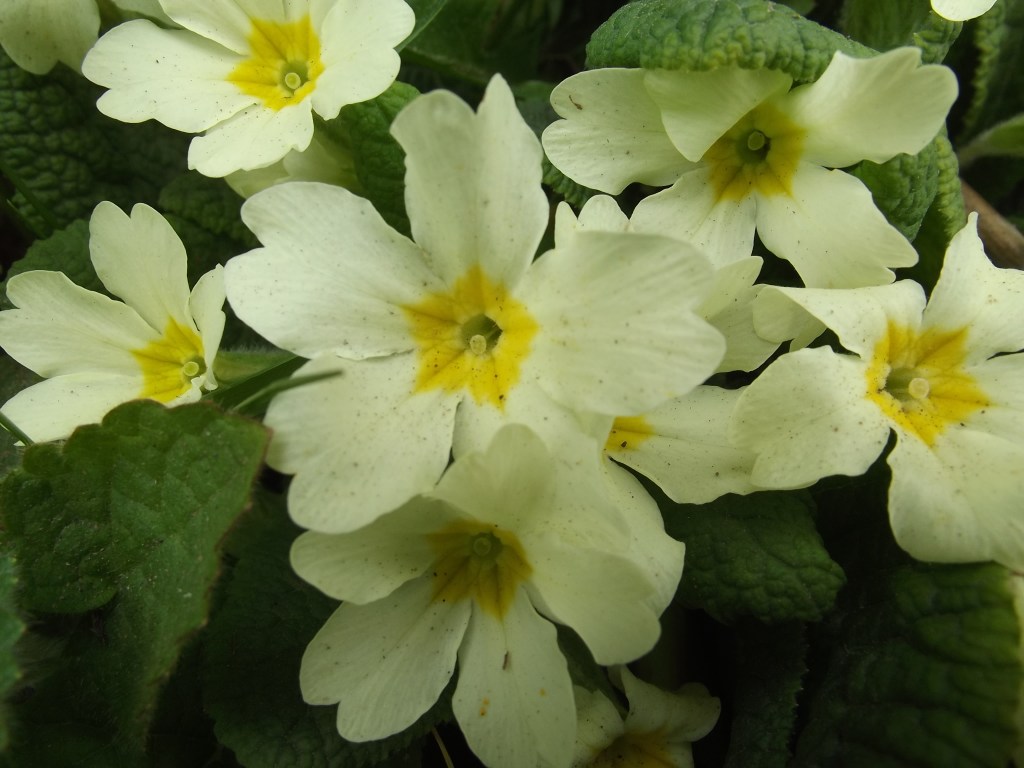
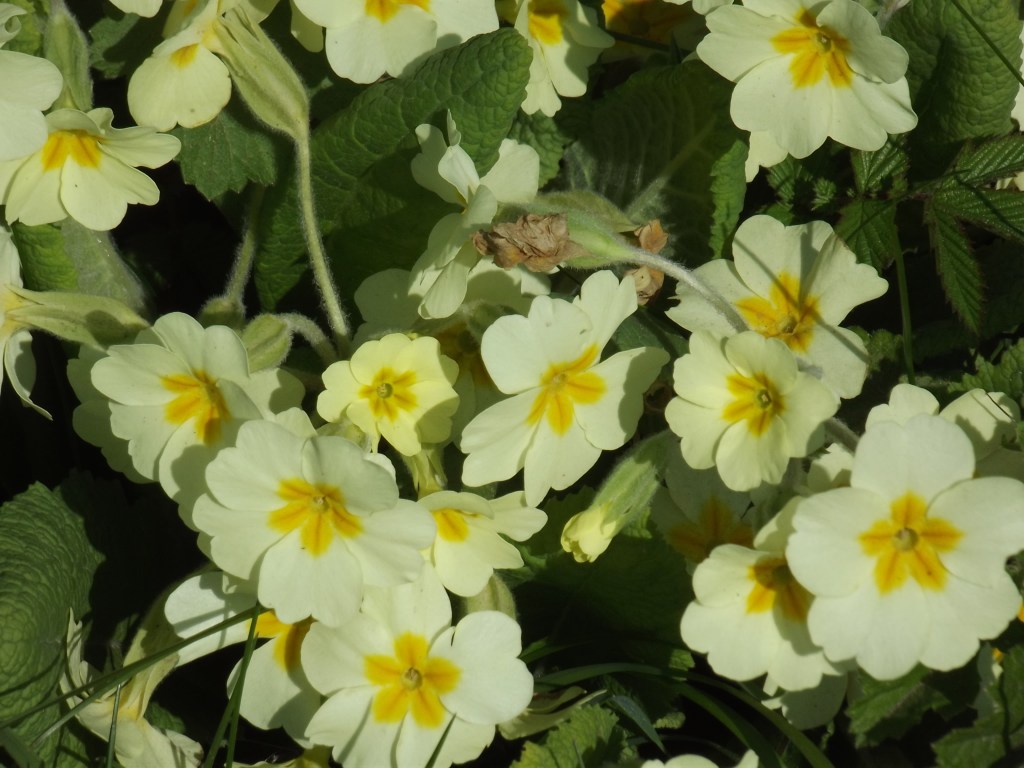
The primrose (Primula vulgaris) is my favourite sign of Spring and the last of the flowers are now beginning to fade as Summer approaches.

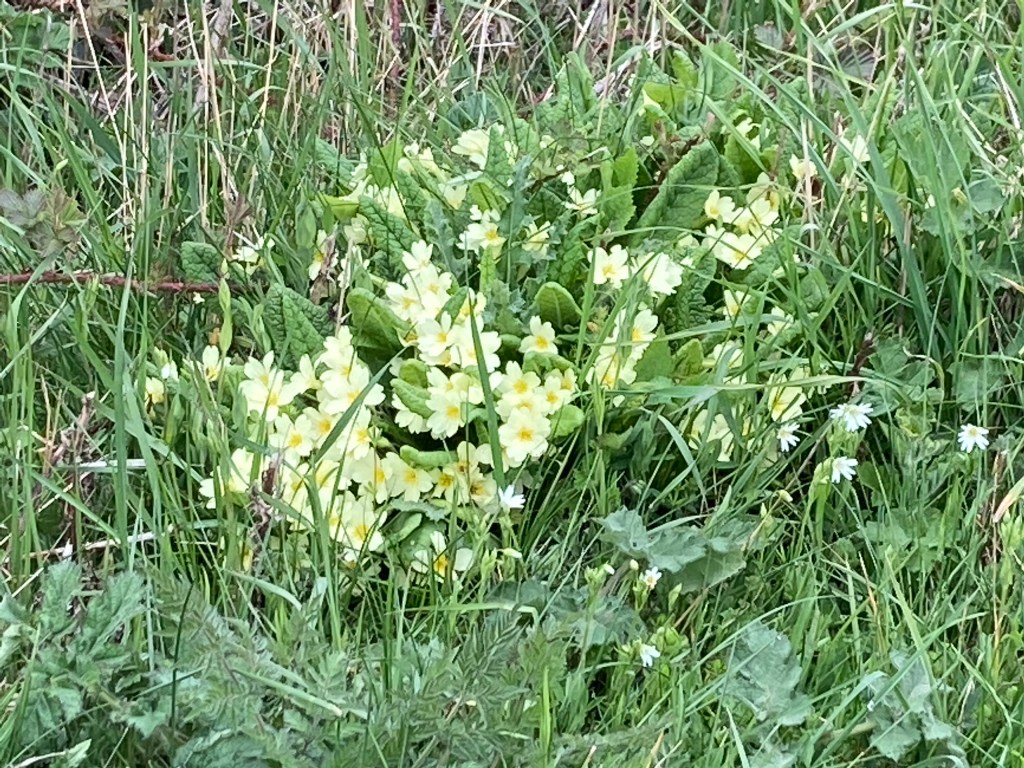
This perennial plant is native throughout Europe and can be found in woodland, under hedges and on steep road verges. Though the flowers may appear as early as December in milder areas, in most places they flower from February/March to May.

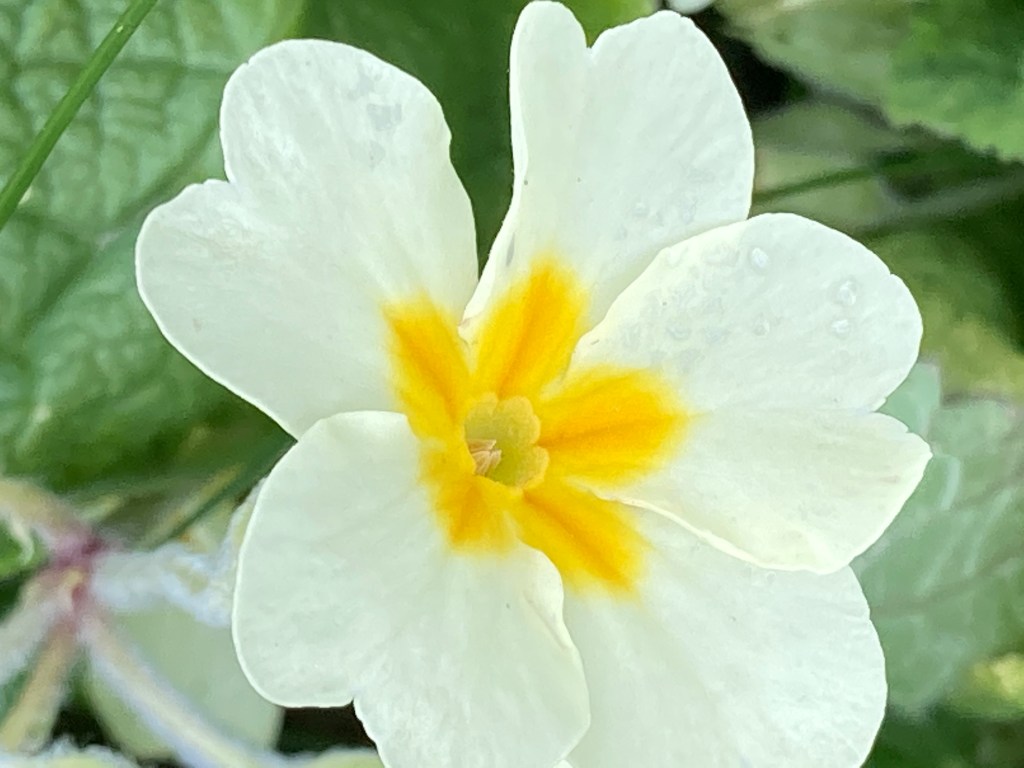
The pale lemon yellow flowers are 2-3cm in diameter and each has five notched petals.and deeper yellow centres. The flowers are carried singly on hairy stems above a rosette of oval leaves, wrinkled and heavily veined, each leaf up to 30cm long. The flower gives way to a capsule containing many small brown seeds. These require a cold spell to stimulate germination.

The nectar of the primrose is a valuable food source for long-tongued insects like butterflies, including emerging hibernating small tortoiseshells. It is also the food plant for the caterpillars of the rare Duke of Burgundy Fritillary butterfly.

The name primrose is derived from the Latin prima rosa: first rose, as an early Spring flower. Other names include Lent rose, butter rose,Easter rose, though not a member of the rose family at all. In folklore the flower was associated with fairies. A patch of primroses marks a portal into the fairy realm. Placed on a doorstep the flowers bring a fairy blessing. Druids used primroses for protection from evil during rituals. A primrose garland would be placed on the body of a young woman who had died ‘in the springtime in her life” . Primroses would also be used to decorate the bed of newly weds, probably because of the association with, Spring, new life and fertility.

The name Butter Rose may come from an old practice of rubbing the flowers on cows’ udders to ensure good butter production from the milk. A poor show of primroses was said to be a sign that hens would lay fewer eggs.

Thomas Culpeper, the 17C herbalist, recommended primrose for its wound healing properties. It has also been used to treat gout, rheumatism, paralysis, toothache and skin problems.

Queen Victoria was said to have sent primroses to her Prime Minister, Benjamin Disraeli regularly. On Primrose Day, April 19th, the flowers are placed on his grave and on the statue of him in Westminster Abbey.
It remains one of my favourite wildflowers and a true harbinger of Spring

Posted in Uncategorized

Cocktail Time

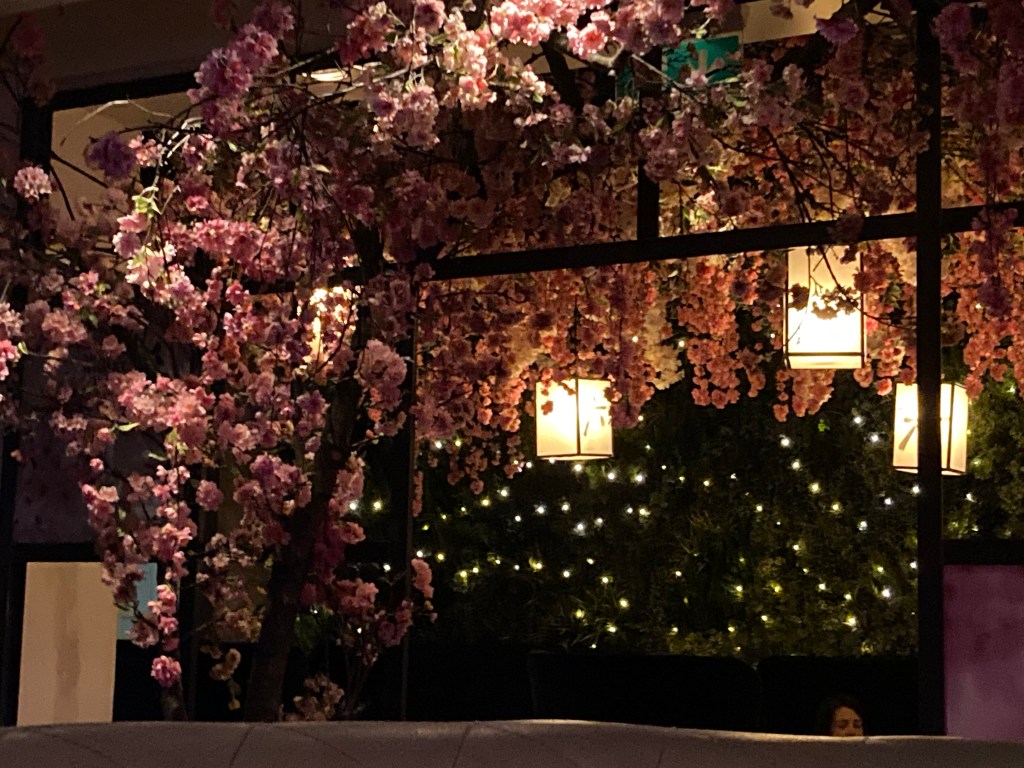
A couple of weeks back, K and I had another trip to Edinburgh. We were celebrating 40 years since we first got together. We took the train and checked into our favourite hotel, Tigerlily, where we got upgraded to a beautiful suite – this has happened before, but it’s always a lovely surprise. We had booked a table in the restaurant, but made time for a cocktail before dinner.

Tigerlily has always served great cocktails so trying some is part of the fun of staying there. In fact if I post a photo of a cocktail on Facebook with the question “Where am I?” all my friends immediately guess correctly. In the years we’ve been going there we’ve always enjoyed sitting up at the bar so we can watch the bar staff prepare the drinks. Of course sometimes it’s pure theatre. They don’t indulge in cocktail shaker juggling here, but bending a piece of orange peel next to a lighter flame so the oil sprays out, ignites and flares: that can look pretty spectacular.

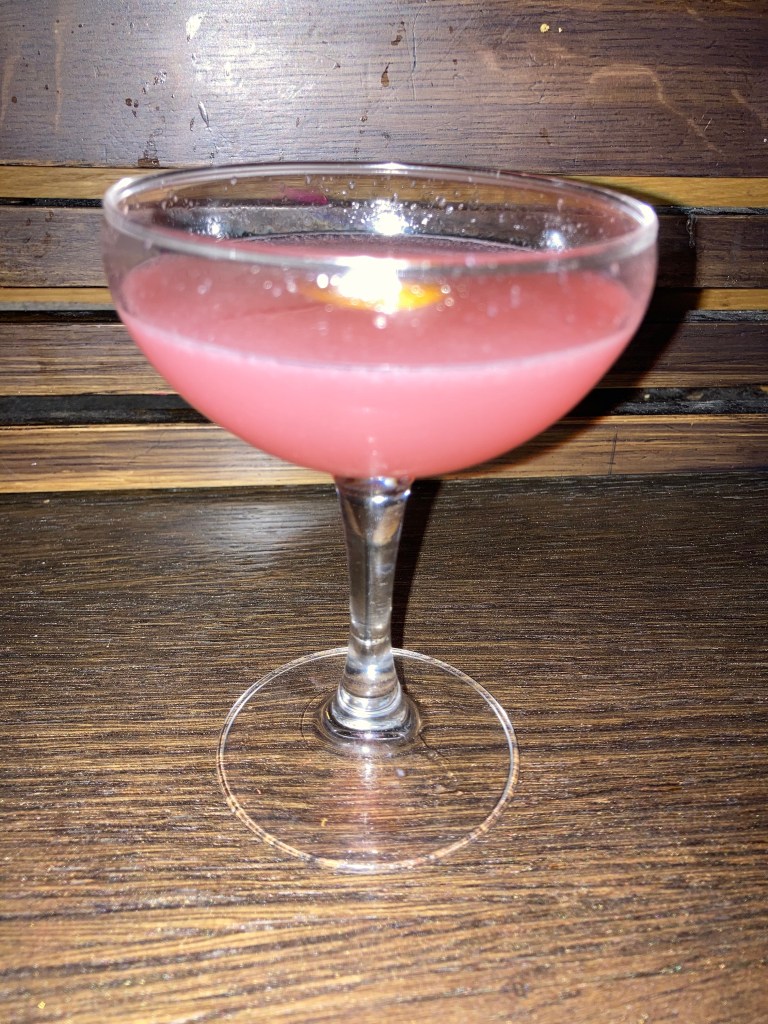
For my pre-dinner drink I chose my favourite cocktail – a classic Cosmopolitan. If you’ve never tried one it’s a fruity sweet/sour combination of vodka, triple sec, cranberry and lime – I love it.

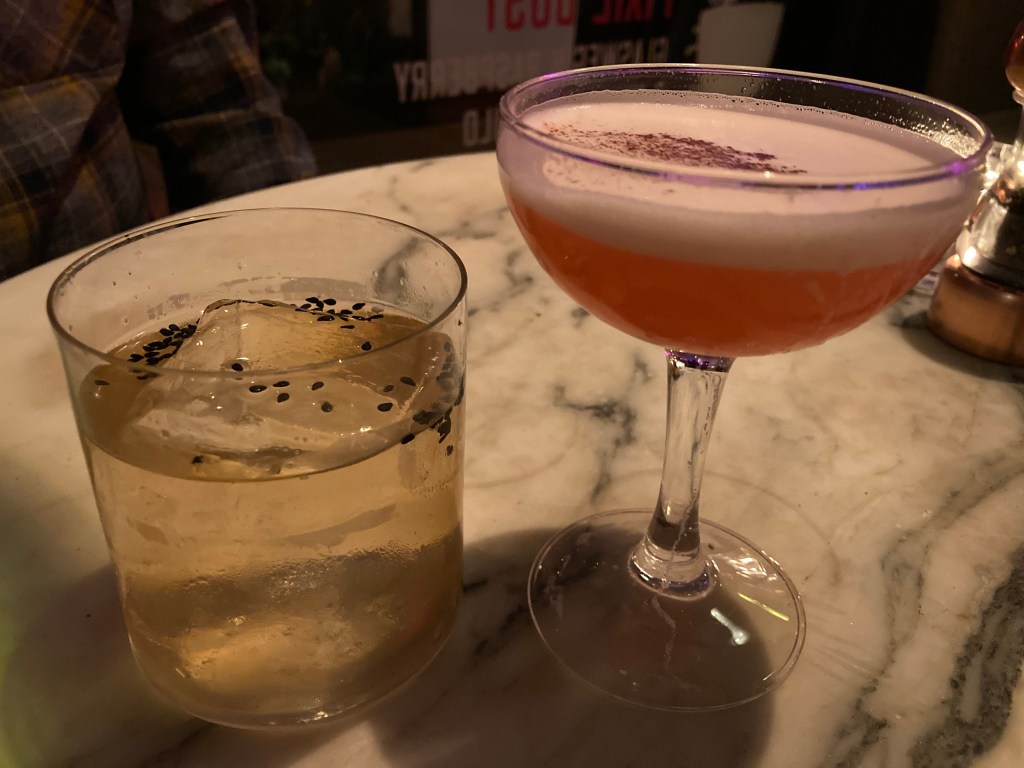
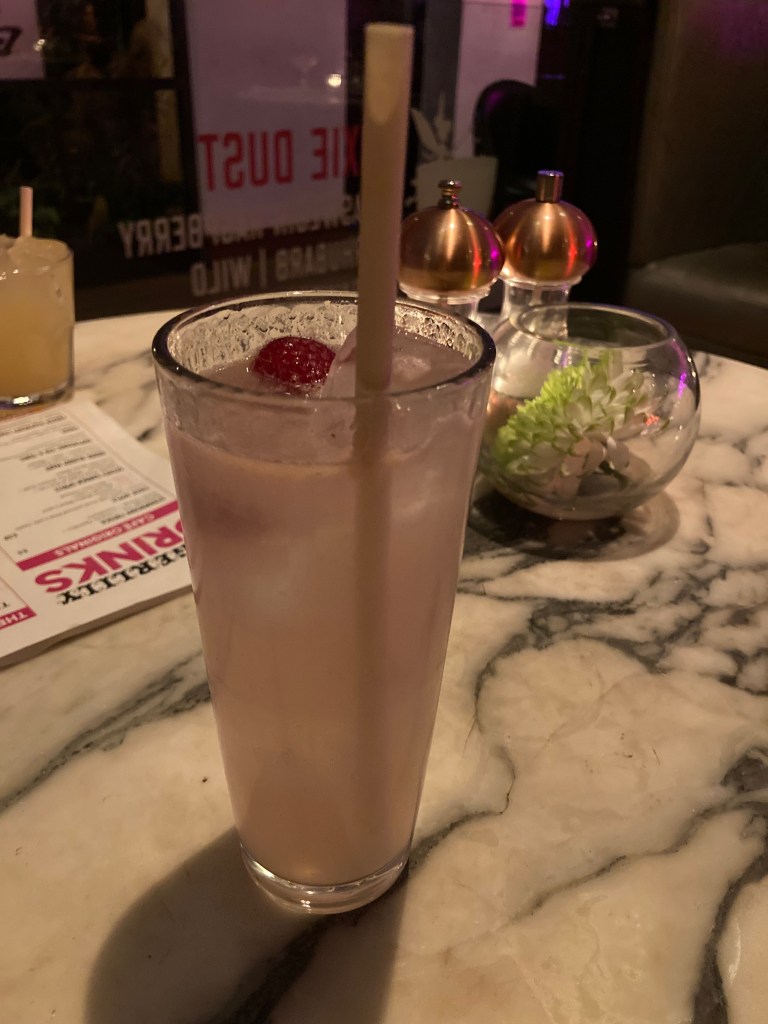
After dinner we were back for more. This time I opted for Pixie Dust, a combination of raspberry and rhubarb gin, wild strawberry, lemon juice and egg white. K had a cocktail too.

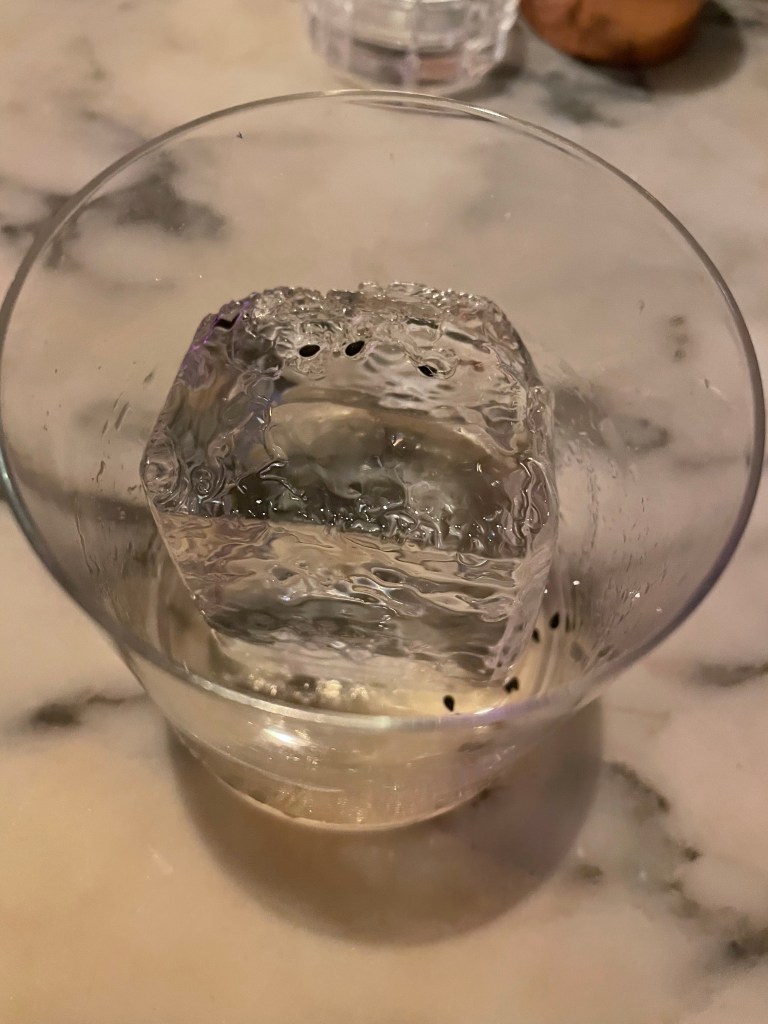
He’s a whisky man and sampled a Black Sesame Old Fashioned, served over ice, in this case one huge block of it

Next, Lemon Drizzle Flora Dora: a long drink comprising lemon drizzle gin, lime, ginger and raspberry.

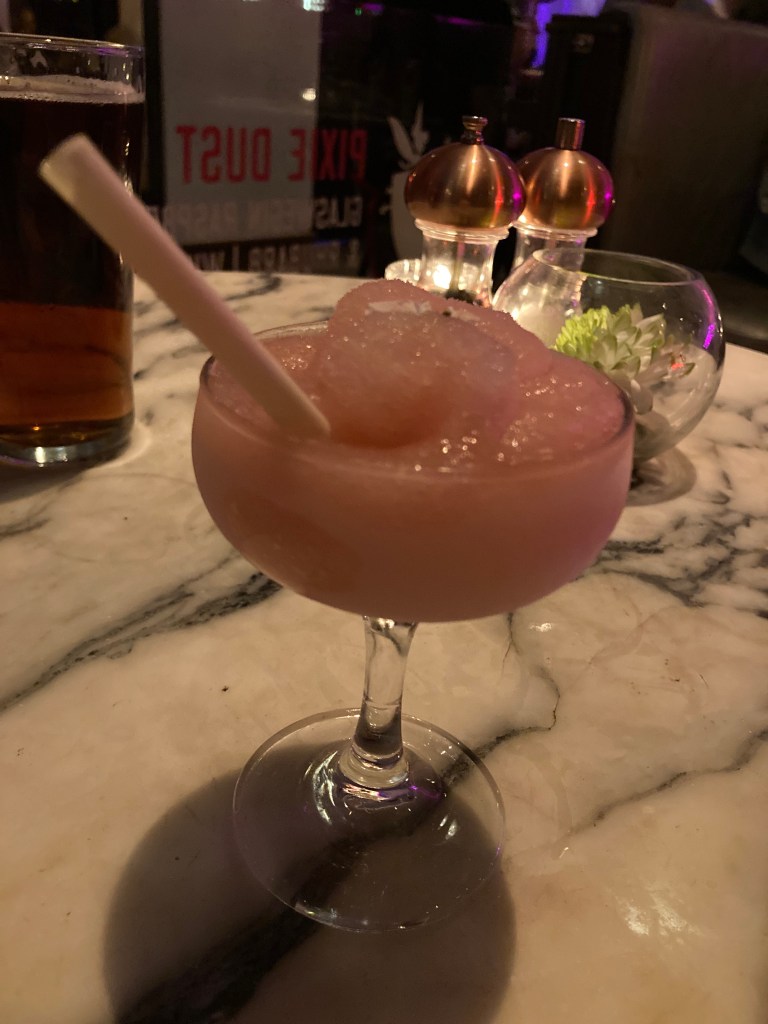
My final drink of the night was the Frozen Raspberry Charlie Chaplin, a gorgeous slushy mix of raspberry gin, apricot, raspberry and lemon.

The following evening we found a little Mexican restaurant and I was still in cocktail mood so it had to be a frozen margarita. I got to thinking that I should get the cocktail shaker out at home, Friday night cocktails anyone?

What’s your favourite cocktail?

Posted in Uncategorized

The Bird Boxes Arriving on Platform 2

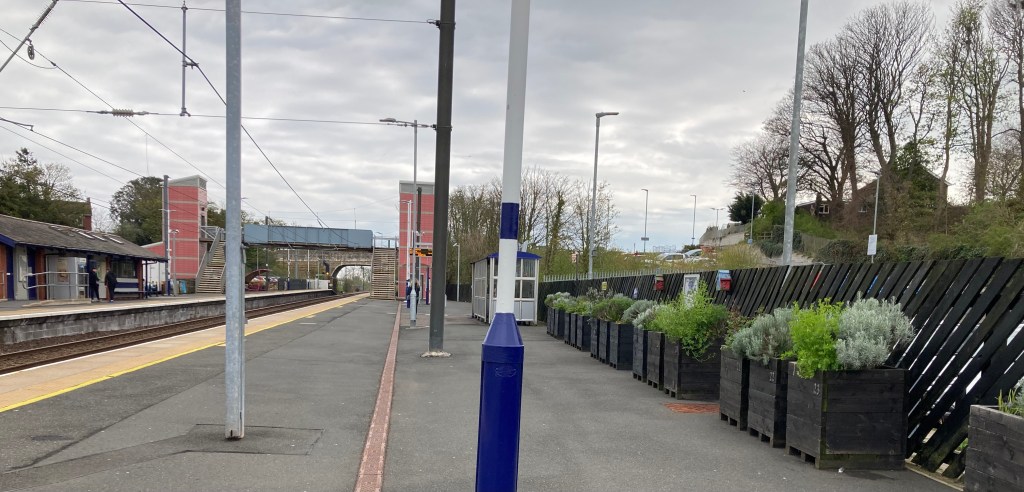
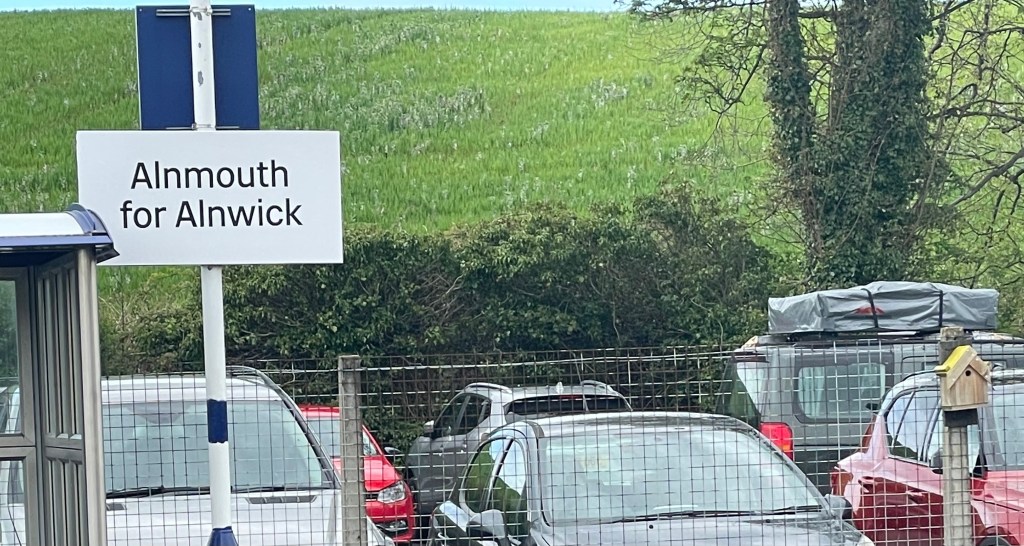
We had a little overnight trip to Edinburgh last weekend. Our train was delayed for about half an hour so we spent more time waiting on the platform at our local station, Alnmouth, than we would have done normally.

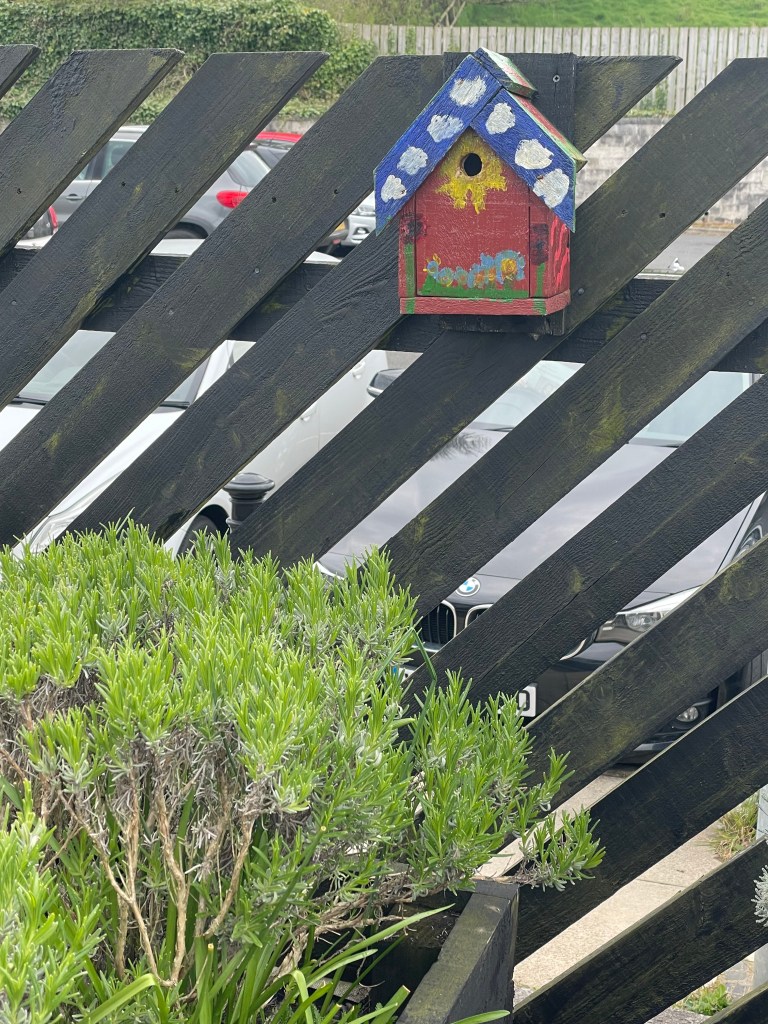
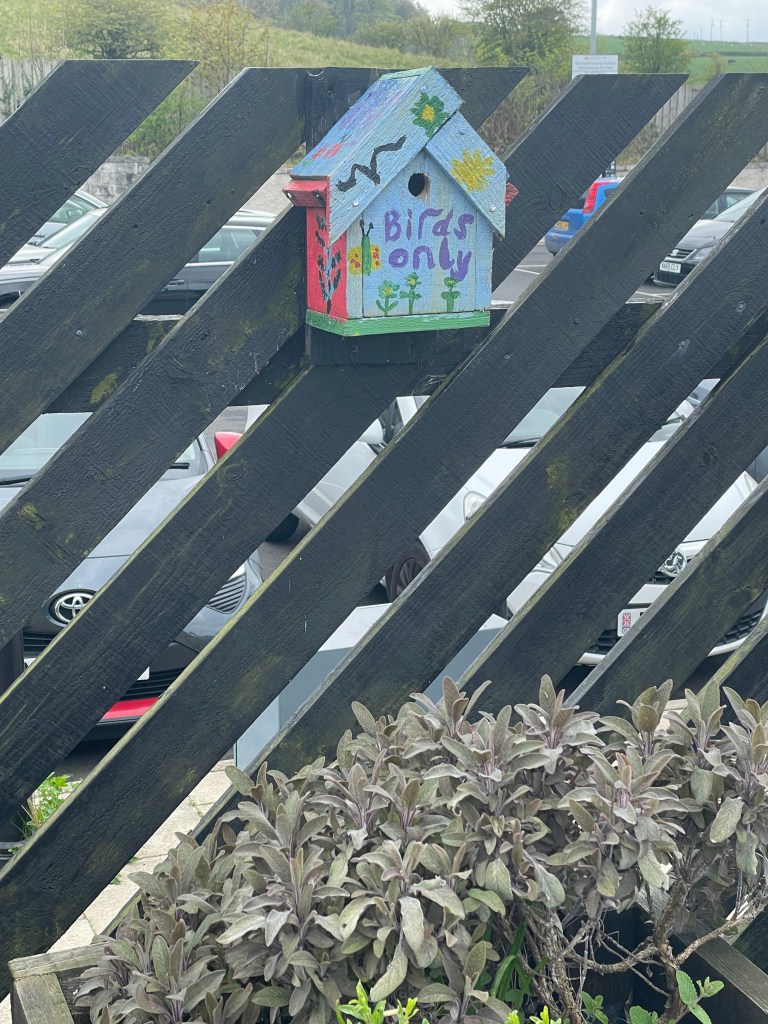
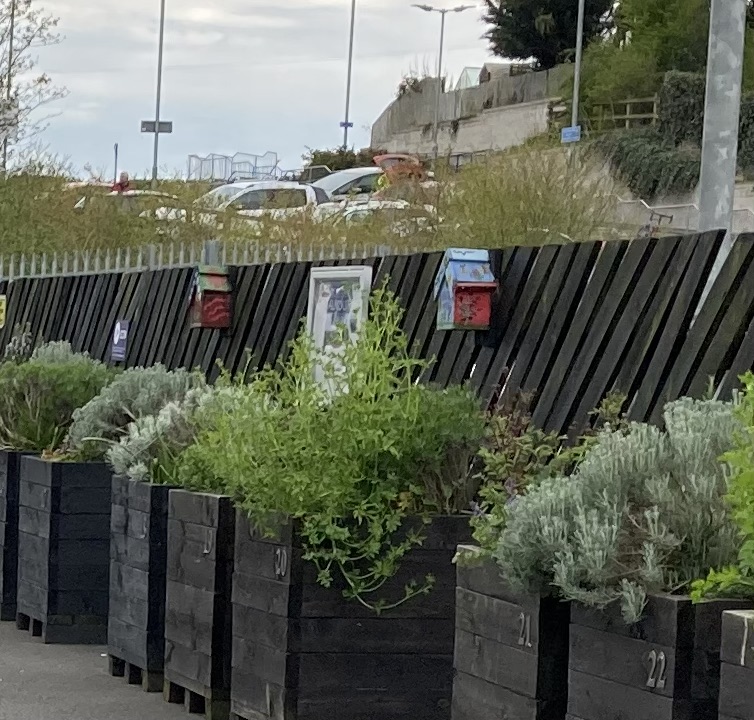
I noticed that some brightly coloured bird boxes have been put up on the fences that run along the side of the platform.

I’m not sure who put them there. Maybe it’s a project by a local school.

All the boxes are painted in different colours and designs.

In the short time I was there didn’t see any birds using them, but I hope they do.

They certainly add a bit of colour to the station, and what a lovely way to encourage our nesting birds.

Posted in Uncategorized

Knit and Natter Round Up: April

Over the last month the group have been busy making all sorts of items.

R completed a cardigan in a beautiful patterned yarn in pale blue, fawn and white.

Y made an amazing pink cabled sweater and some trainer socks.

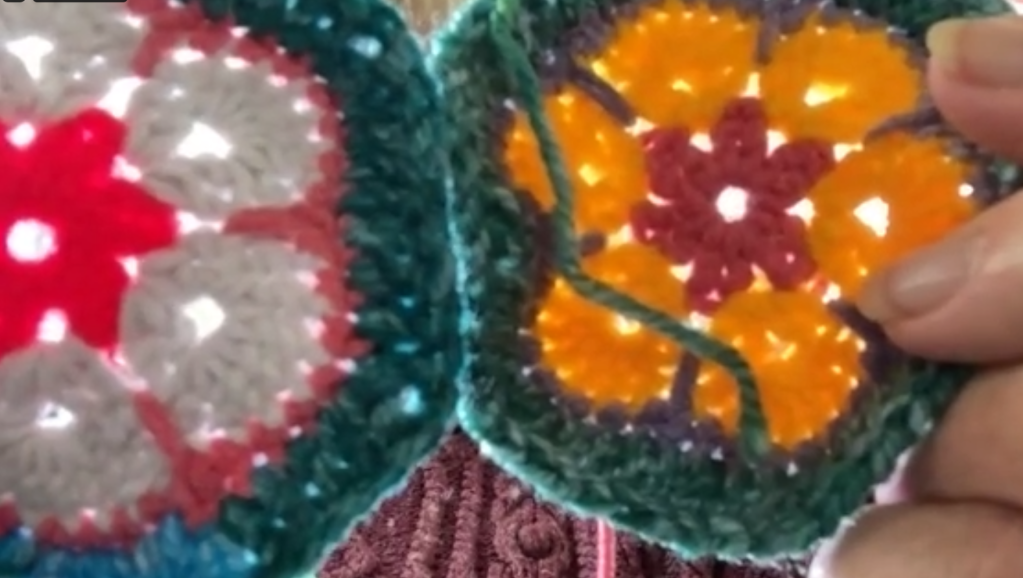
She’s currently crocheting flower hexagons which will be joined up to make a very cute triceratops toy like the one in the picture!

With her first grandchild due later this year, A is busy making baby clothes in a range of colours and white.

Last month L completed her sweet pea blanket. She’s using the left over yarn to make another smaller blanket.

She’s also making a cardigan for her granddaughter, made in one piece, which alternates rows of white with a rainbow of colours

C is working on a blanket for her dog. He’s a very lucky boy!

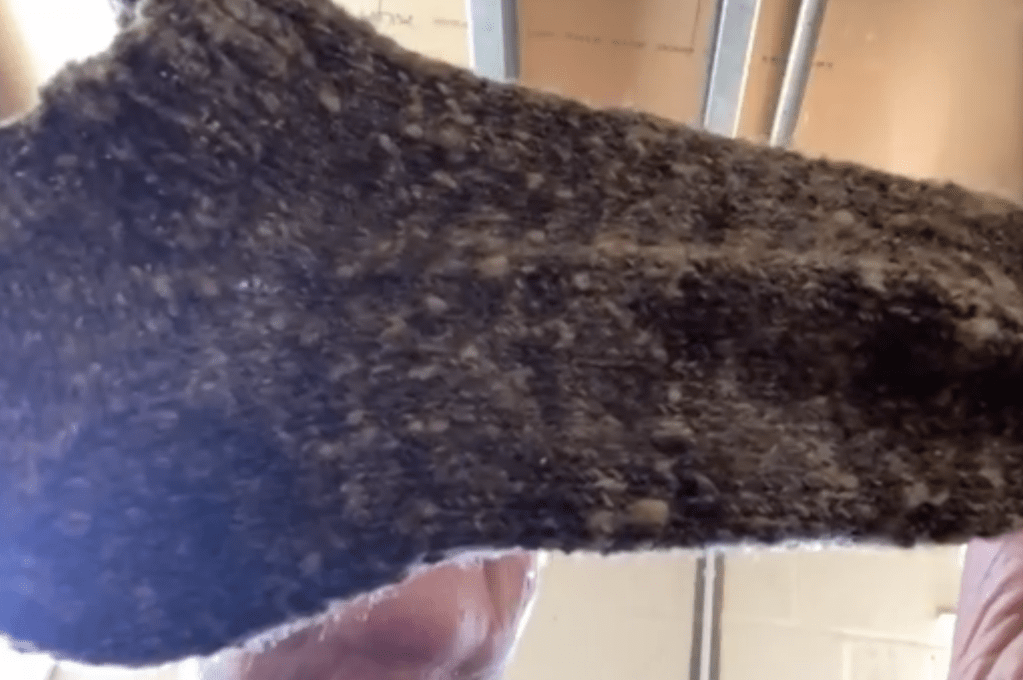
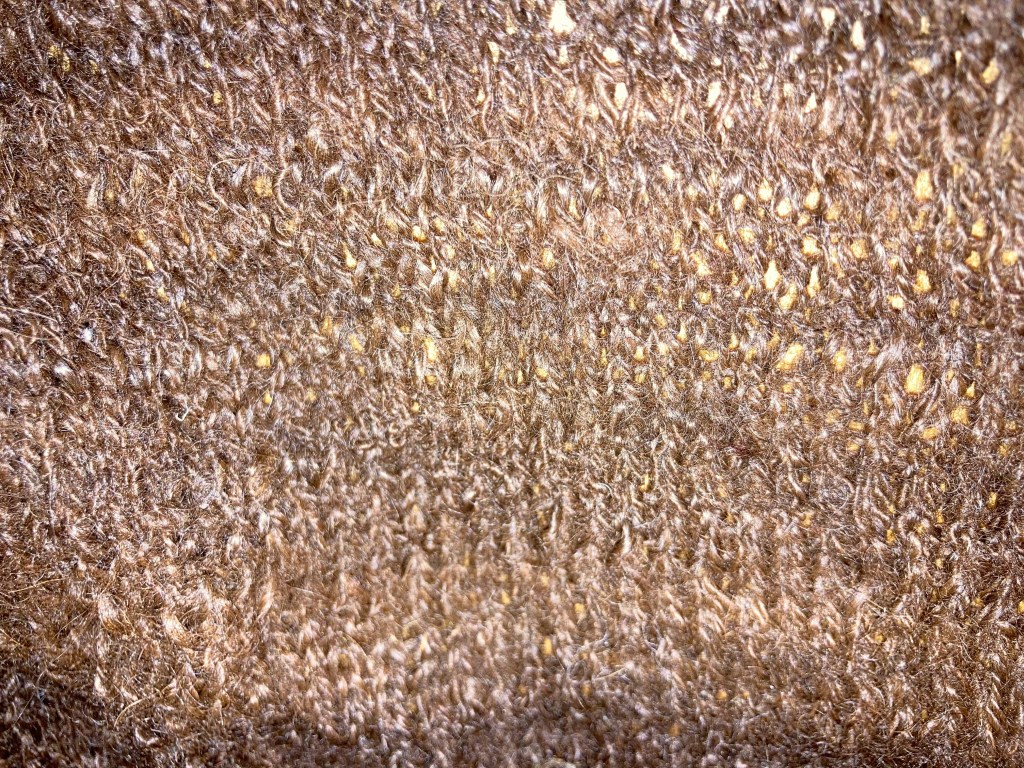
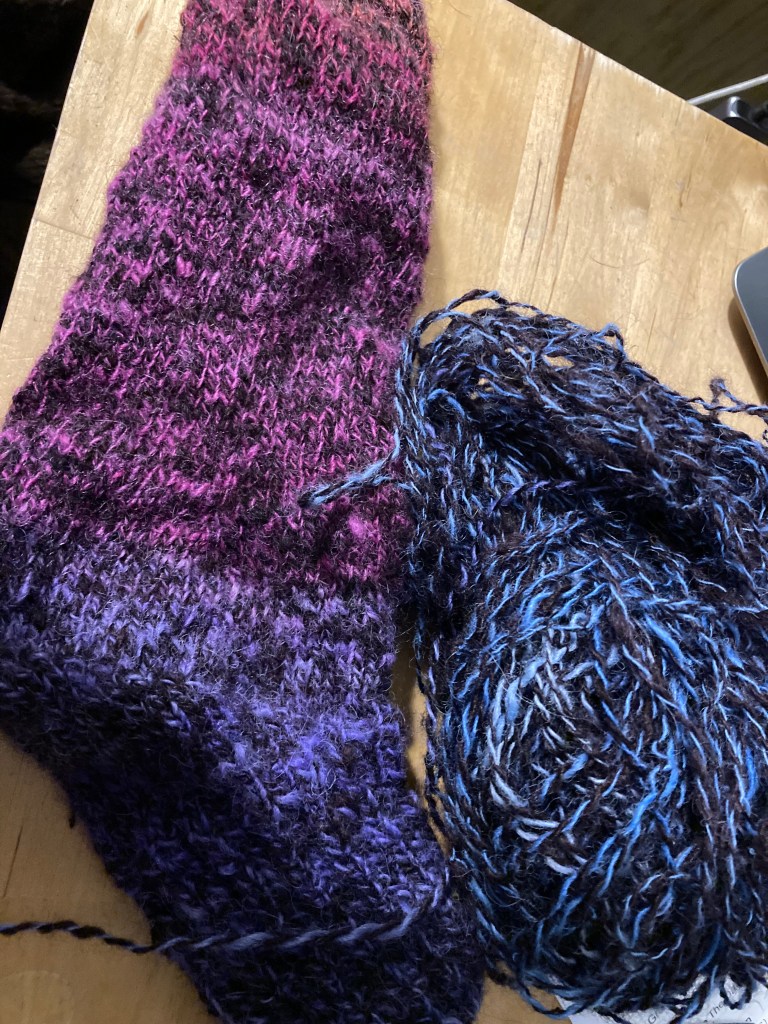
I’ve been continuing with a cardigan in dark brown Suri alpaca and some alpaca socks

I wonder what the group will be working on next month.

Posted in Uncategorized

Wildflower of the Week: Blackthorn

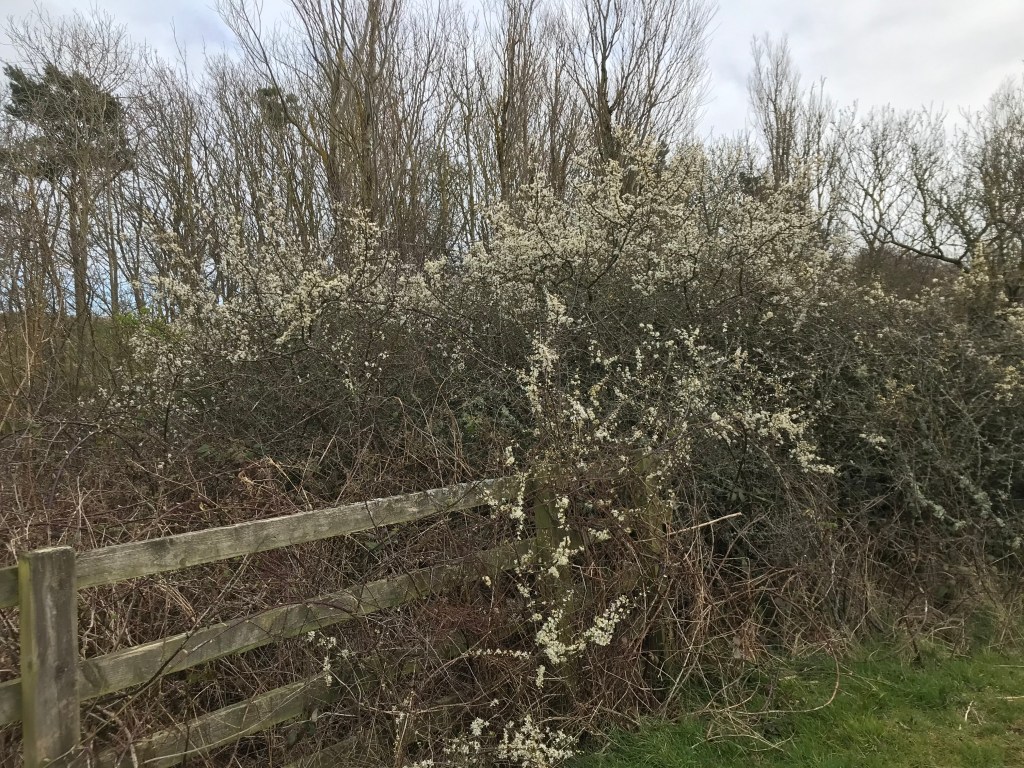
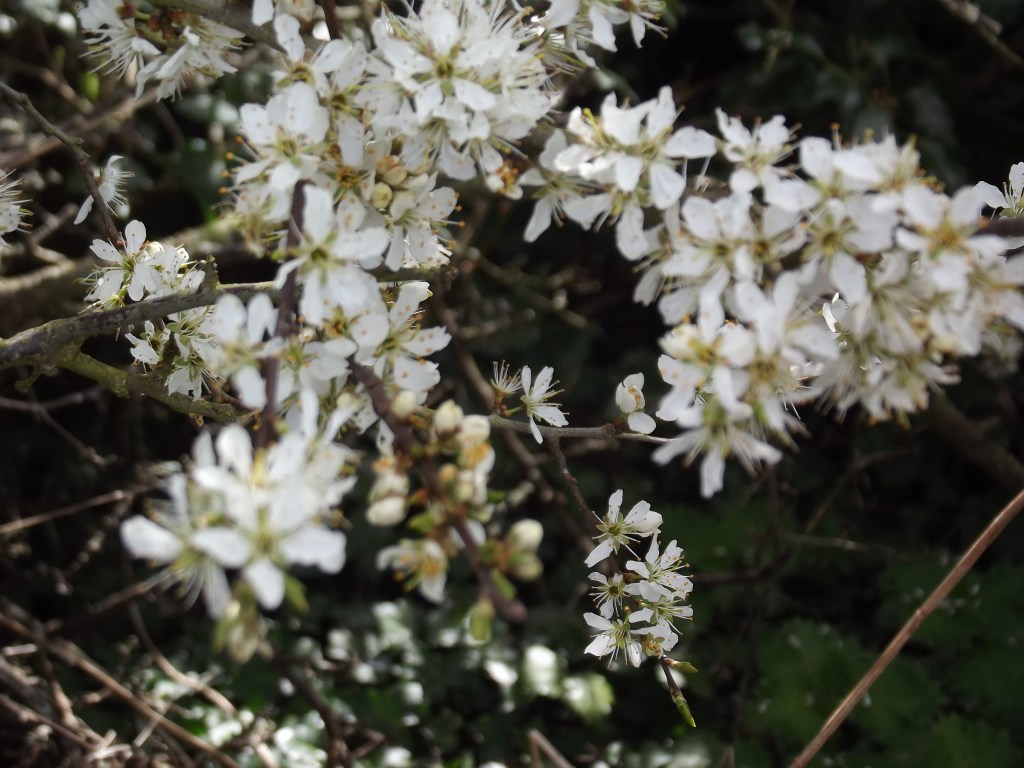
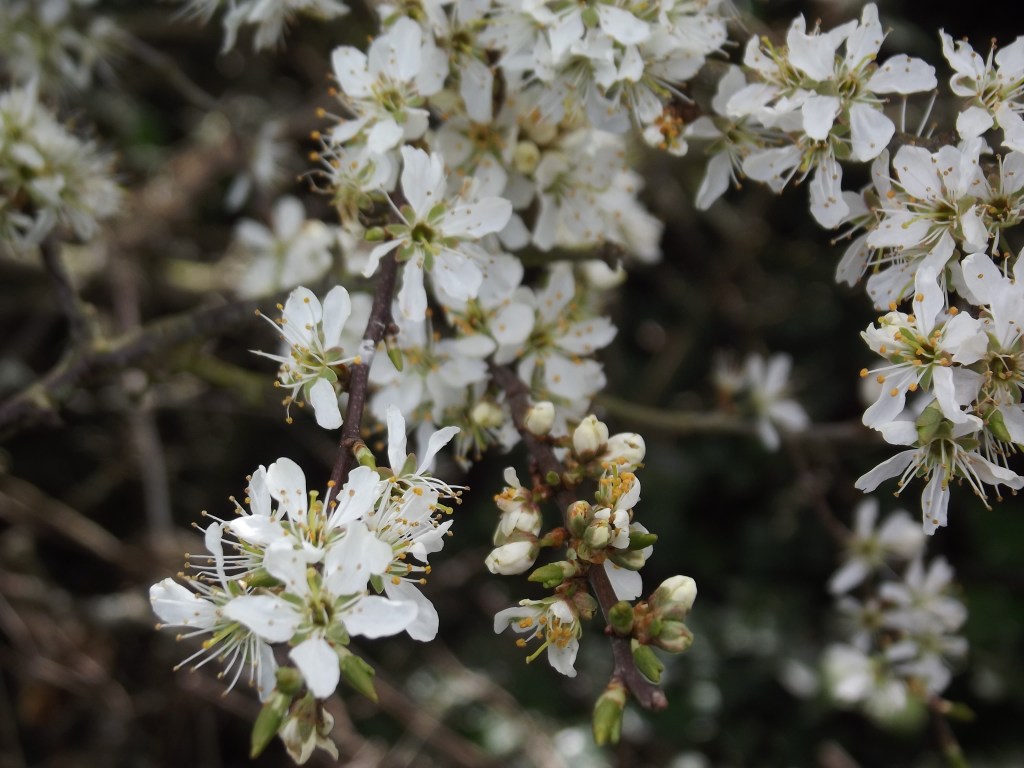
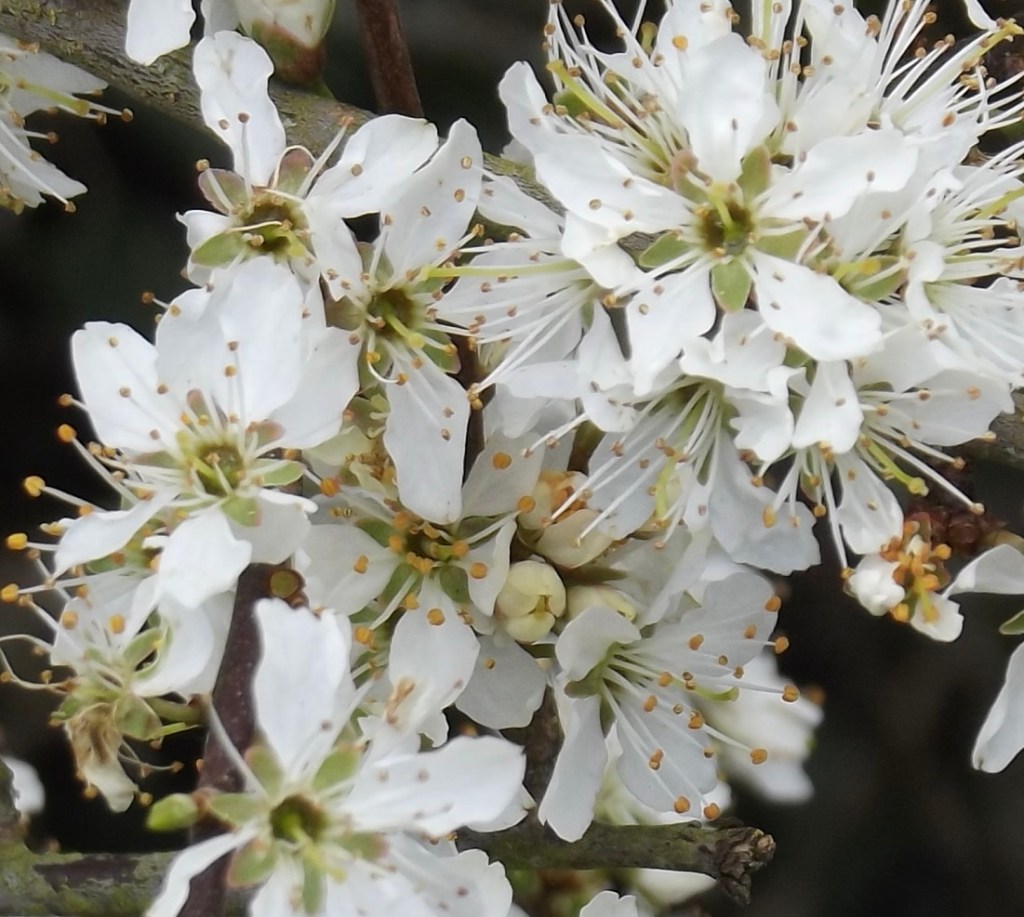
The frothy white blossom of the blackthorn has been in flower for the last month, standing out against the blackish twigs and branches, which have yet to come into leaf.

This shrub can grow to 4m or more and can be found in woodland or scrub, practically anywhere that the soil is not acid, but mainly grows in hedgerows, where the dense, thorny growth makes it an impenetrable barrier and protective nest sites for birds.

A member of the rose family and closely related to the plum and damson, the blackthorn is a native to Europe and Western Asia.

The flowers are hermaphrodite, each bearing both male and female parts and with five petals. They are the first flowers to appear in our hedgerows, arriving before the leaves and a welcome source of pollen and nectar for bees and other insects early in the year.

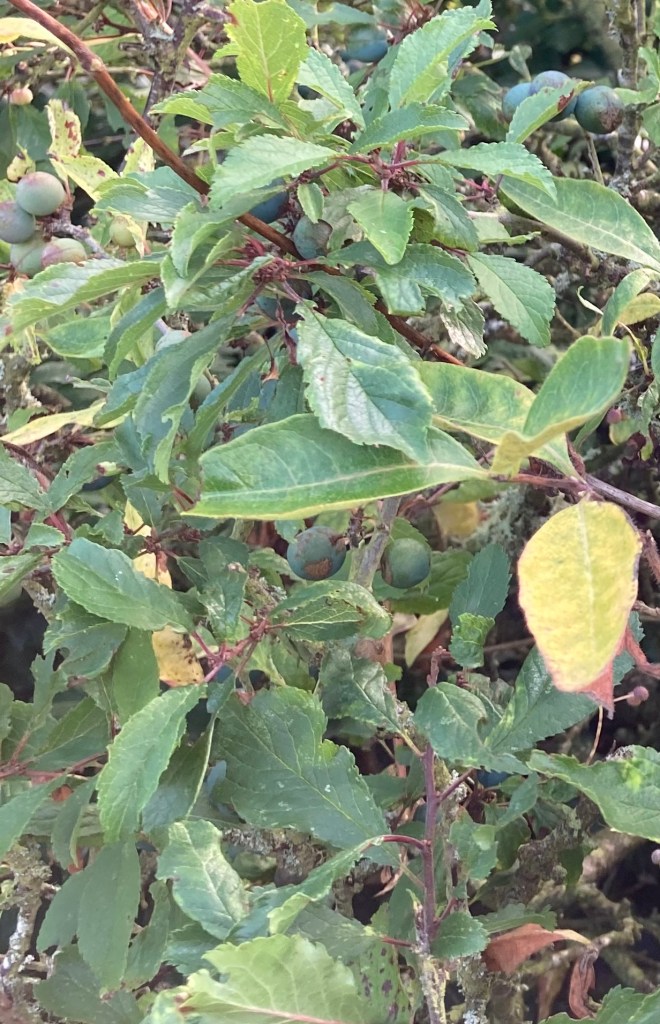
The small leaves are narrow and oblong shaped, tapering to a point and with toothed edges. They are the food plant for the caterpillars of several species of moths and butterflies, including the rare black hairstreak butterfly. In autumn they turn bright yellow.

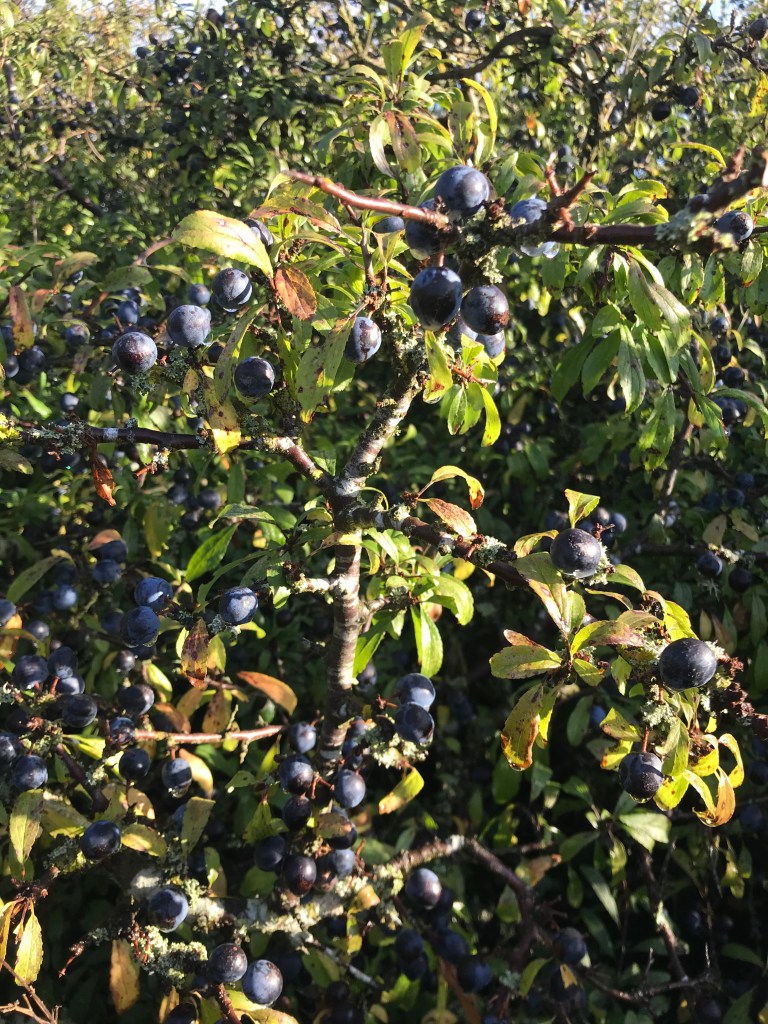
Also appearing in autumn are the sloes, round purple-black fruit with a bloom that gives them a blue tinge, each about 1cm in diameter. The sloe has a large stone and little flesh, but they do provide a valuable food source for birds, particularly for members of the thrush family.

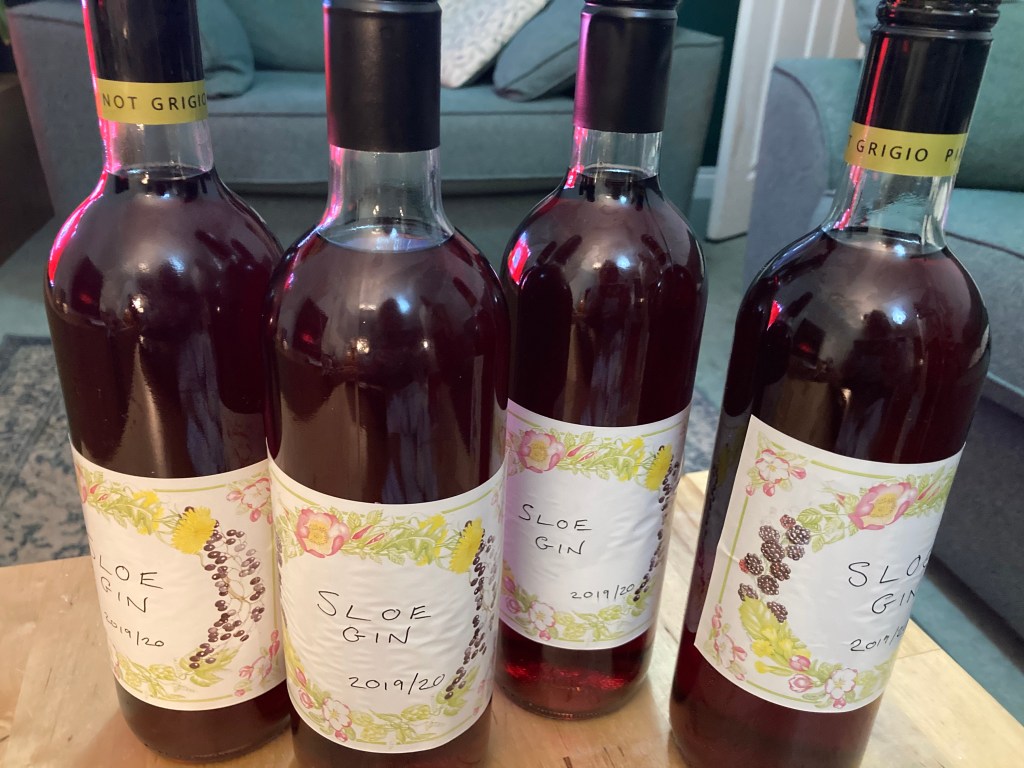
Sloes are incredibly sour, but sweeten slightly after the first frosts. In years where frosts damage the flowers and prevent the fruit from setting (or it is too cold for pollinating insects) the sloe crop is scarce. The fruit are used in sloe gin and can also be made into jams and jellies. You can read about how we make our own sloe gin here . If you have the patience to remove the stones from the fruit after they have been strained out of sloe gin (by which time they have absorbed a fair amount of alcohol, the flesh can be stirred into melted chocolate and left to set on a baking tray: delicious!

The wood of the blackthorn burns well and as it grows straight is used for walking sticks and tool handles. It was also said to be the wood of choice for witches’ staffs and wands and had an association with witchcraft.

Traditional medicine has used preparations of the plant used for cleansing the blood, for digestive disorders and rheumatism.

I always look out for the first blackthorn blossom to appear every spring, with the hope of a good crop to make sloe gin later in the year.

Don’t forget the following when picking any parts of a wild plant.

  • Don’t touch or pick any plant unless you are ABSOLUTELY CERTAIN that it is safe to use, and not poisonous.
  • Don’t pick anything unless it is abundant
  • Only pick small amounts and no more than you need
  • Don’t pick if there is a risk of pesticide/weedkiller or other contamination, including from traffic or other forms of pollution.
  • Always get permission from the landowner.
  • Avoid areas which may be soiled by animals (wild or farm animals or pets)
  • Wash plants thoroughly


Posted in Uncategorized

More Music: Peter Hook and the Light

Spurred on by a recent spate of gigs, we went to another on Saturday, at the Boiler Shop in Newcastle. it’s a venue we’d not been to before. It is a Grade II listed building, dating from the 1820’s and was the world’s first locomotive works, Robert Stephenson & Company, famous for the pioneering locomotive, the Rocket. It was restored as an entertainment/function venue in 2016: a large space with a standing capacity of 1000.

The only drawback with the venue is that there is little or no nearby parking. I used my scooter and we parked in the Stephenson Quarter Car Park (a multi-storey -with no free disabled parking). I’d previously contacted the venue and booked a place on the wheelchair platform. Apart from the step off the kerb by the entrance the access into the venue was level (a little bumpy by the door but no steps). There was great professional stewarding and the staff member responsible for the platform was excellent – she really looked after us.

Peter Hook was the bass player with Joy Division, which reformed as New Order following the death of lead singer, Ian Curtis. He now performs with his band, The Light.

Hooky developed a very individual style of playing the melody high up on his bass, leaving to bass line to keyboard or guitar.

This was K’s choice (I always found Joy Division a bit depressing) but I really enjoyed the gig – three sets and an encore over about two and a half hours, including all the Joy Division and New Order hits, including Love Will Tear Us Apart, Atmosphere, Blue Monday and Temptation.

There was a great atmosphere too with lots of singing going on in the audience.

We haven’t got any other bands to see until July now…..unless something else comes up!

Posted in Uncategorized

Dry Stone Walls in the North Pennines

Today was a “because we can” day: a midweek day out simply because we are retired and we can. After a bright start at home a fret came in (that’s the local name for coastal fog). It seemed like a good idea to drive inland search of clearer weather, so we packed a picnic and headed to Alston and on to Nenthead, Allendale, Hexham, then home again.

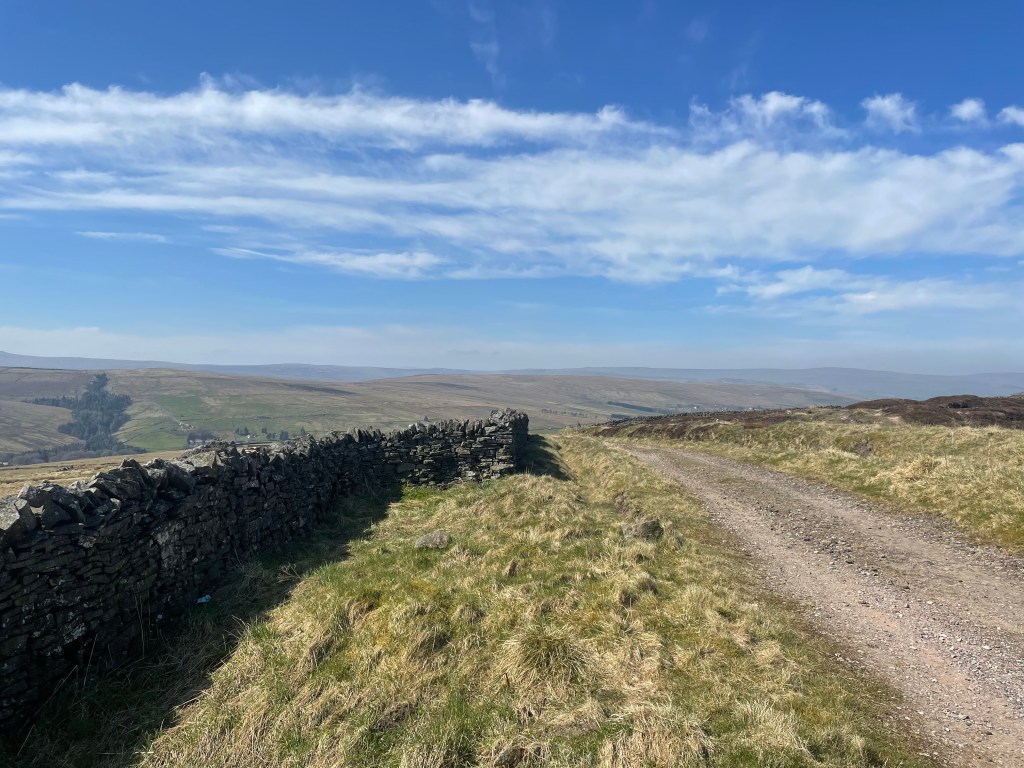
As we reached the summit beyond Nenthead the views were stunning. It was a beautiful day to be up in the hills. We heard the eerie call of a curlew and one flew past.

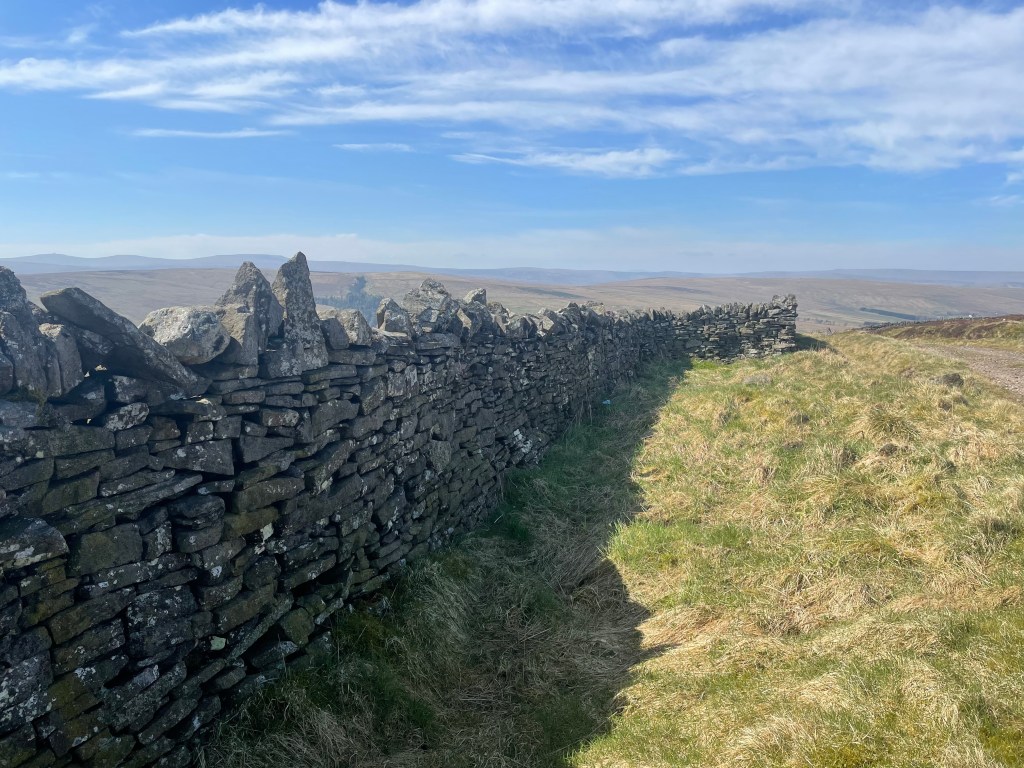
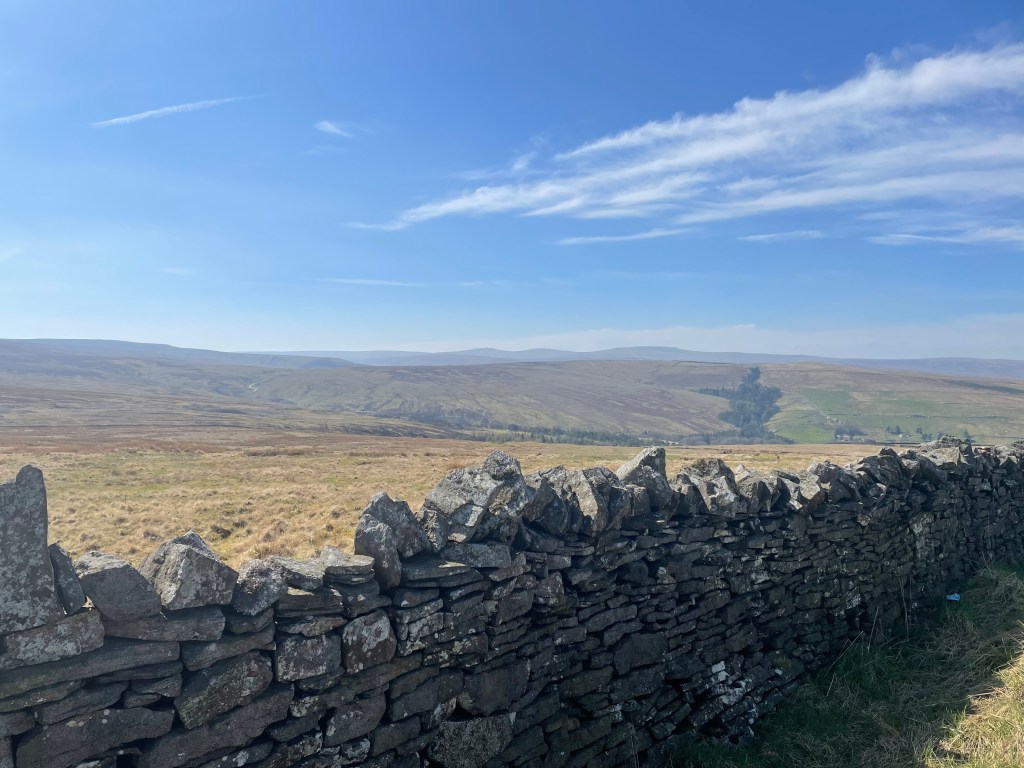
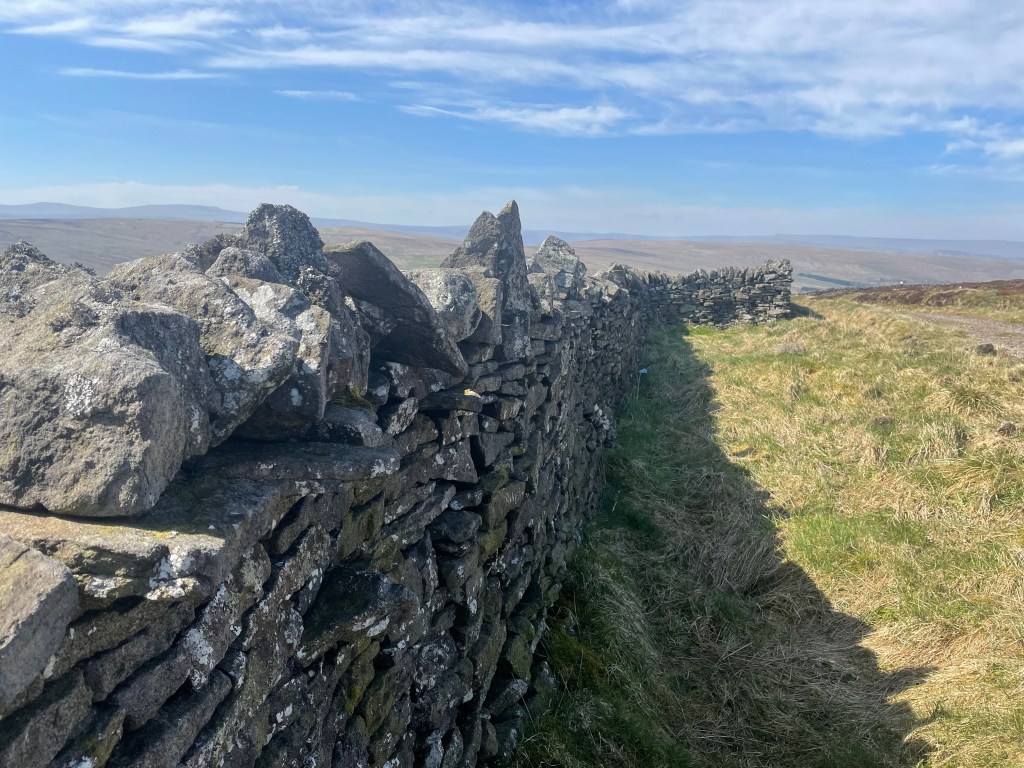
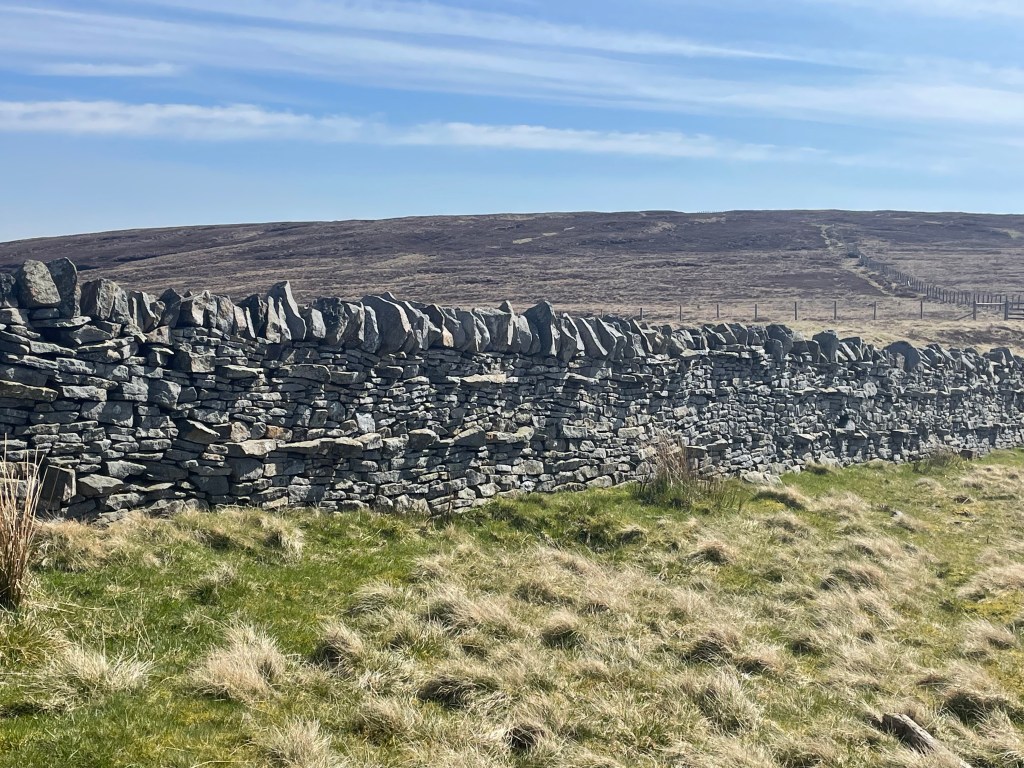
One of the most striking features of this upland landscape is the dry stone walls and there was a good example where we stopped. It took me back some years to when we were both involved in the British Trust for Conservation Volunteers and learnt this ancient craft.

Dry stone walls are built without any mortar but when properly constructed can last for hundreds of years. They are typically wider at the base than at the top. Using an A-shaped wooden frame to act as a guide for the height and width of the wall and keep it even, courses of stone are laid along the outer edges (with the larger ones nearer the base). The stone used on this wall was split into easy to lay, flat pieces. Each stone is laid carefully over the join of the layer below, ensuring that it is perfectly stable and does not move or rock. Small stones are used to fill in the space between the two outer walls as it is built. Every so often a larger stone is placed across both courses to add strength. Stiles can be incorporated into the structure by adding extra-long slabs that protrude from the sides of the wall, forming steps.

Finally, a single row of large cap stones is added, packed together along the top.

The gaps between the stones provide shelter for wildlife: insects and even lizards hide in the crevices and small birds can nest in the larger spaces.. As well as being a stock-proof barrier, they act as a windbreak and sheep can often be found sheltering by a wall in stormy weather.

These hills would not be the same without their magnificent dry stone walls.

Posted in Uncategorized

Wildflower of the Week: Gorse

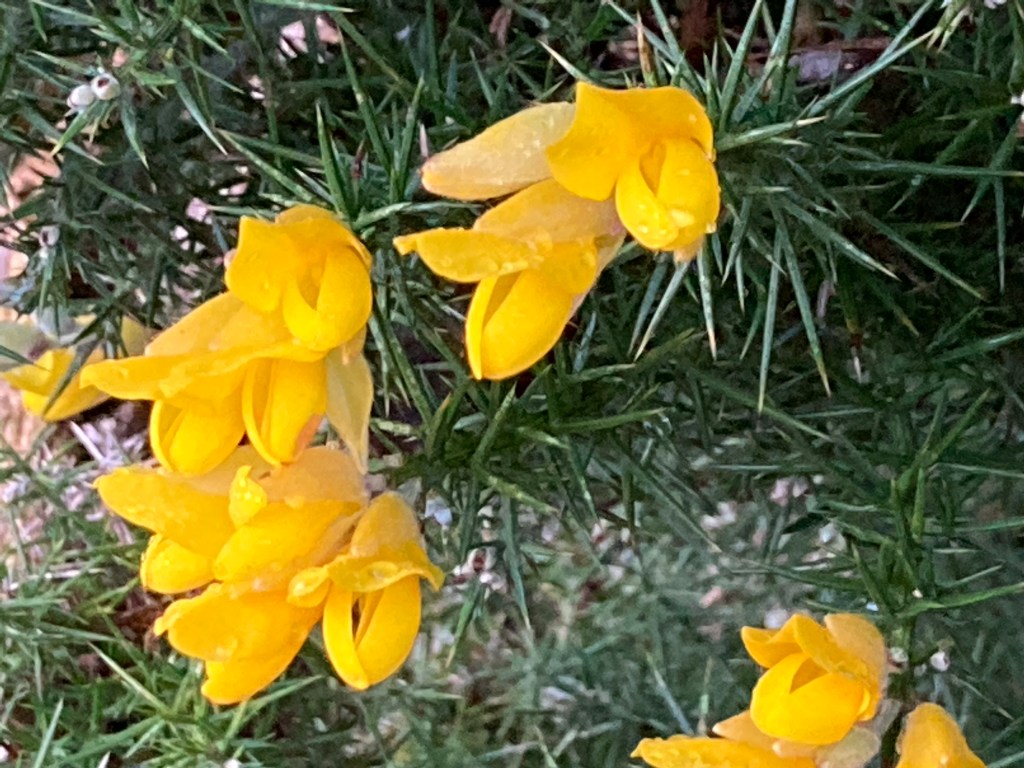
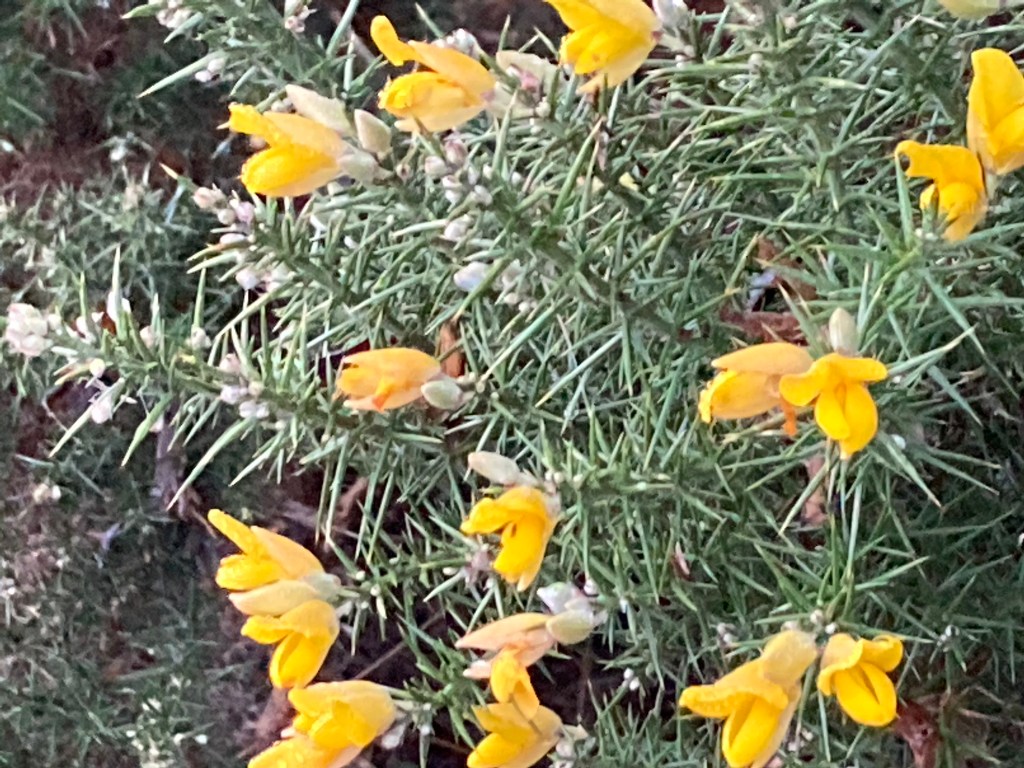
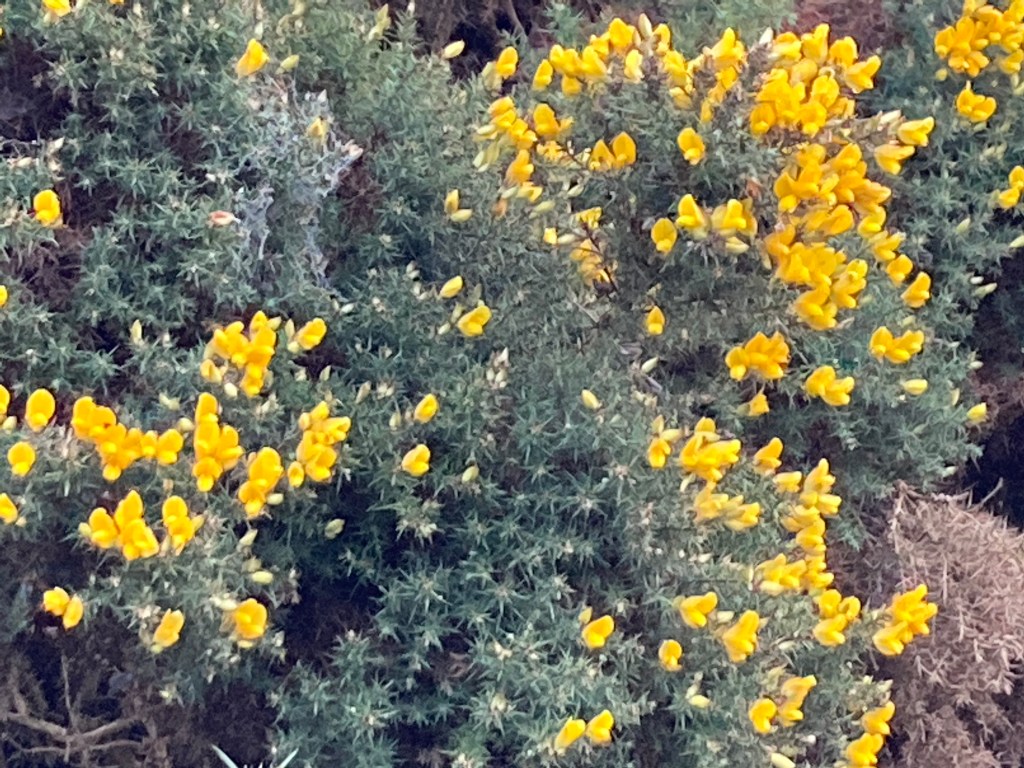
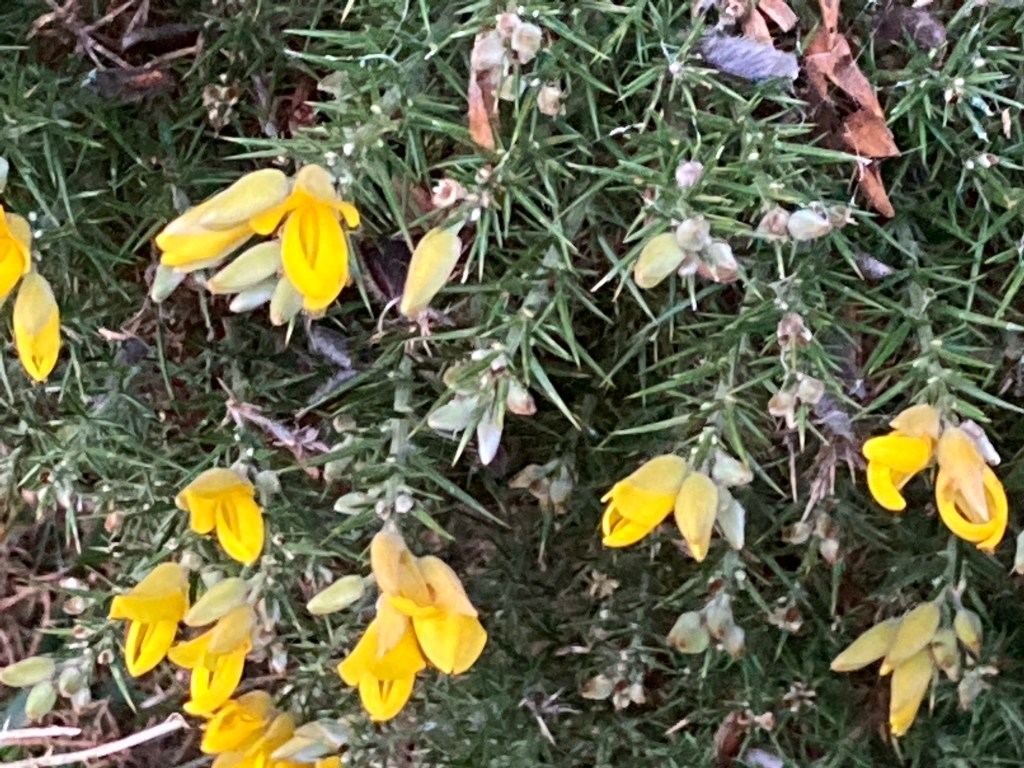
Gorse (Ulex europaeus) is a member of the pea family that grows as a shrub up to 3m tall, and is found on rough ground, moor, heathland and coastal areas. The plant is native to Europe and North Africa, but has become an invasive weed in parts of the USA, Australia and elsewhere. It is also known as furze or whin.

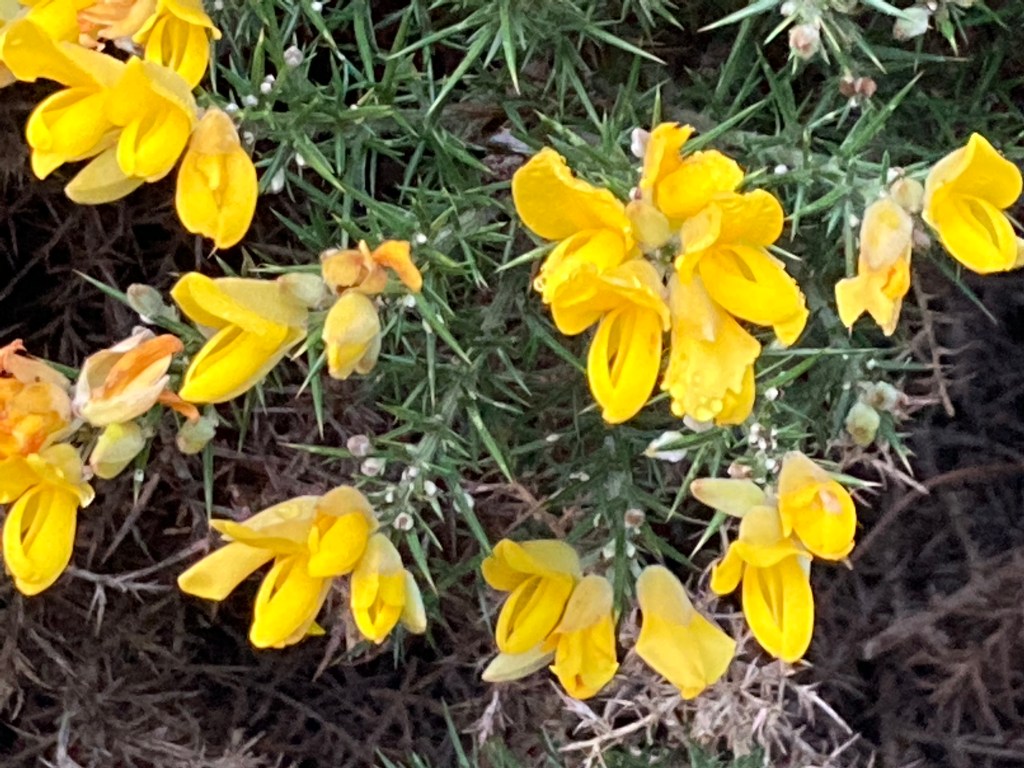
The plant is covered in sharp spines up to 3cm long and can be seen in flower all the year round but is at its peak right now, covered in golden yellow blooms with a keeled structure typical of the pea family. They have a sweet coconut scent and are a valuable source of nectar for bees, butterflies and other insects.

The country saying  “When gorse is out of blossom, kissing’s out of fashion” comes from the year-round flowering habit. A sprig added to a bridal bouquet symbolises fertility.

The flowers are followed by dark brown hairy pods, each carrying about three seeds, which are ejected as the pod splits open.

The spines (which are modified leaves) make gorse an effective hedging plant, forming a dense impenetrable barrier to livestock, but also protective cover for wildlife including nesting birds.

In traditional medicine a tea made from gorse flowers has been used as an antidepressant. 17th Century herbalist, Thomas Culpepper described a decoction of the flowers as effective against jaundice and as a diuretic and cure for kidney stones. The flowers also yield a bright yellow dye. Being edible they can be used in salads and to make a tea or syrup.

The straight stems of gorse wood make good walking sticks. it has also been used to make brooms and chimney sweeping brushes.

The plant burns fiercely with a great heat and was popular for firing bakers ovens and kilns. Gorse fires spread quickly but even when burnt to the ground will regenerate quickly from the roots.

On warm spring days a walk past a gorse hedge certainly fills the senses, with those vivid yellow flowers alive with buzzing bees and the air suffused with that coconut fragrance.

ildflo
Posted in Uncategorized

Strange Bird

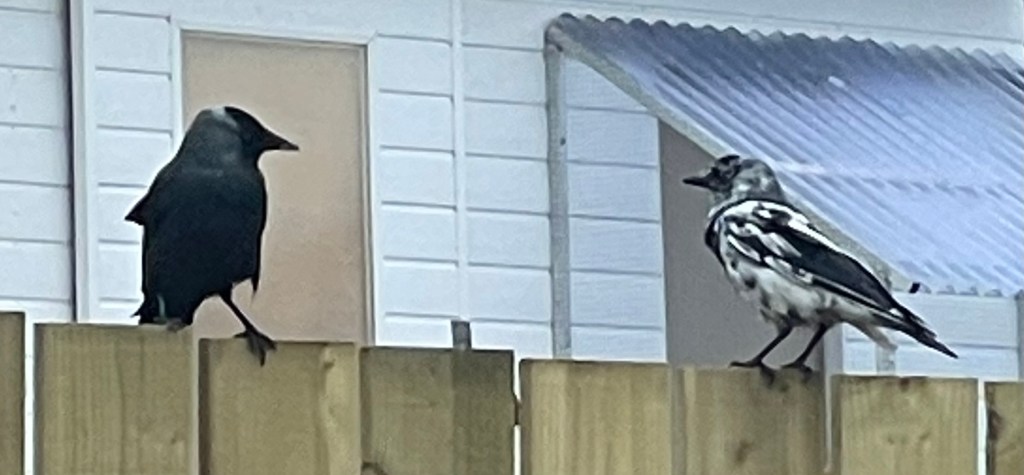
I saw a very unusual bird in my village last week. K had seen it around the area when he’s been out with the dog. A couple of days later he managed to take this photo.

It’s a leucistic jackdaw (normally they are all black with grey at the back of the head like the other bird in the picture). Leucism is a mutation that affects the production of melanin , the pigment in the feathers. It can result in anything from just a few white feathers to a completely white bird. This individual is speckled all over, with a mix of black and white feathers.

Some people refer to this condition as partial albinism, but there is actually no such thing. It’s rather like saying someone is partially pregnant!. An animal can be either albino or not! True albinism is characterised by having no pigment anywhere , including the eyes, giving them a pink appearance. Leucistic birds’ eyes are of normal colour. Such creatures rarely survive in nature. The lack of eye pigment impairs their sight, making it harder to find food or spot predators (to which they are a very visible target).

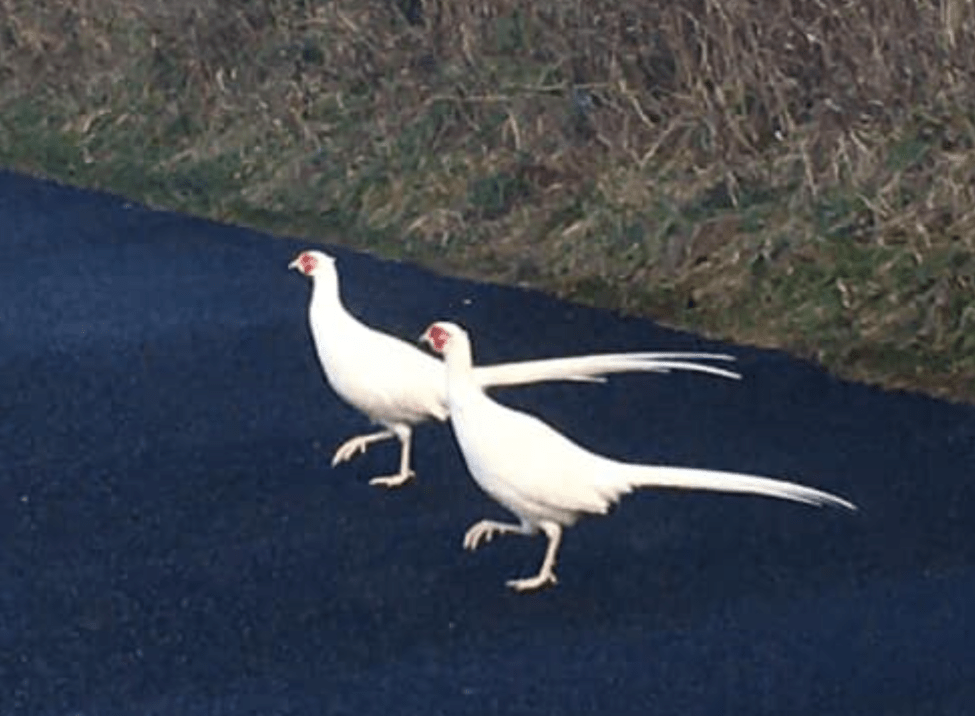
Our local speckled jackdaw is not the only unusually coloured bird in the area. There have been sightings of white pheasants in neighbouring villages and I saw one a couple of weeks back. I wasn’t quick enough to photograph it, but it looked just like these, posted on Facebook recently. These pheasants may be captive-bred ornamental escapes.

Photo credit M D Ashby

The red wattles really stood out against the white plumage: it was a very beautiful bird indeed. I felt quite privileged to have seen it. I didn’t get quite close enough to see the colour of its eyes though so I’m not sure if it was a true albino or leucistic.

Have you ever come across a wild bird with leucism or albinism?

Posted in Uncategorized

Disability Access: The National Trust Must Try Harder.

The Northumberland Coastal Path comes through Newton-by-the-Sea. We were there recently with some friends, one of whom is a scooter user. She has a beast of a machine – it’s called the Tramper and it will drive on sand (unlike mine).

Even though both machines could take the paths to Newton Point and Football hole without problems, access is either via cattle grid (no good for small wheels)…

…or kissing gate (no way)!

The path to the accessible hide behind Newton Dunes is too narrow in places for my friend to get through on her scooter.

There are a couple of designated disabled parking bays at Low Newton – they aren’t extra wide to allow for wheelchair transfer, but that’s not the worst of it. This is what you have to negotiate to access the disabled parking bays at Low Newton. Useless!

Come on National Trust. Get your finger out. Disabled people want to access the countryside too.