
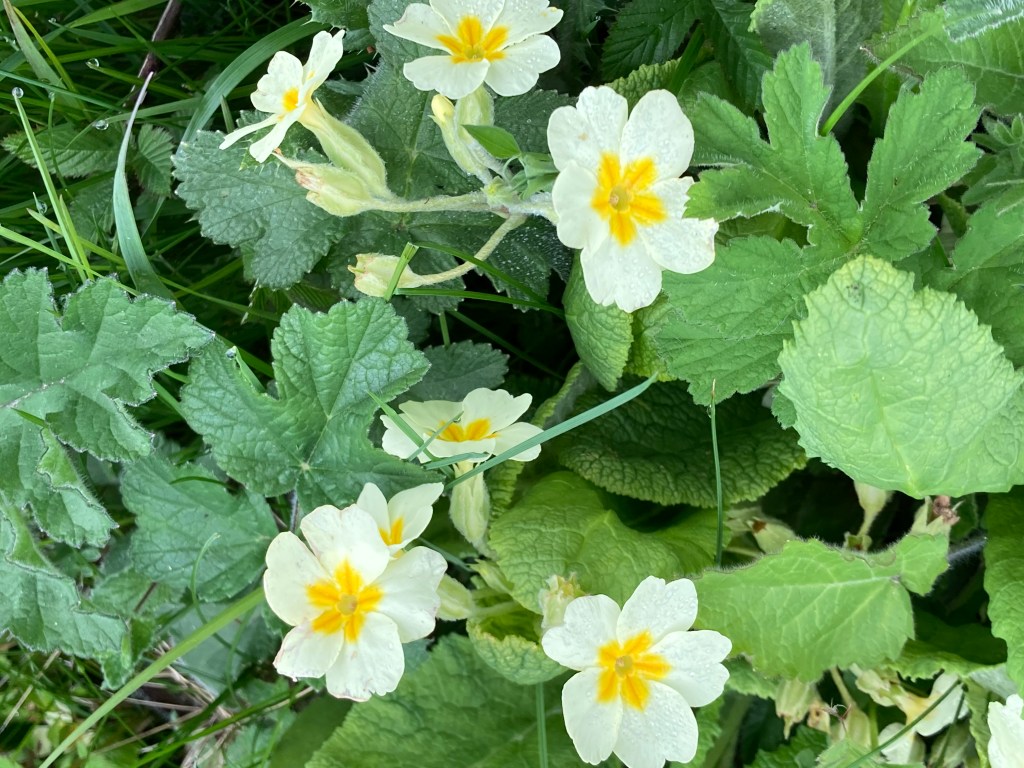
The primrose (Primula vulgaris) is my favourite sign of Spring and the last of the flowers are now beginning to fade as Summer approaches.
This perennial plant is native throughout Europe and can be found in woodland, under hedges and on steep road verges. Though the flowers may appear as early as December in milder areas, in most places they flower from February/March to May.
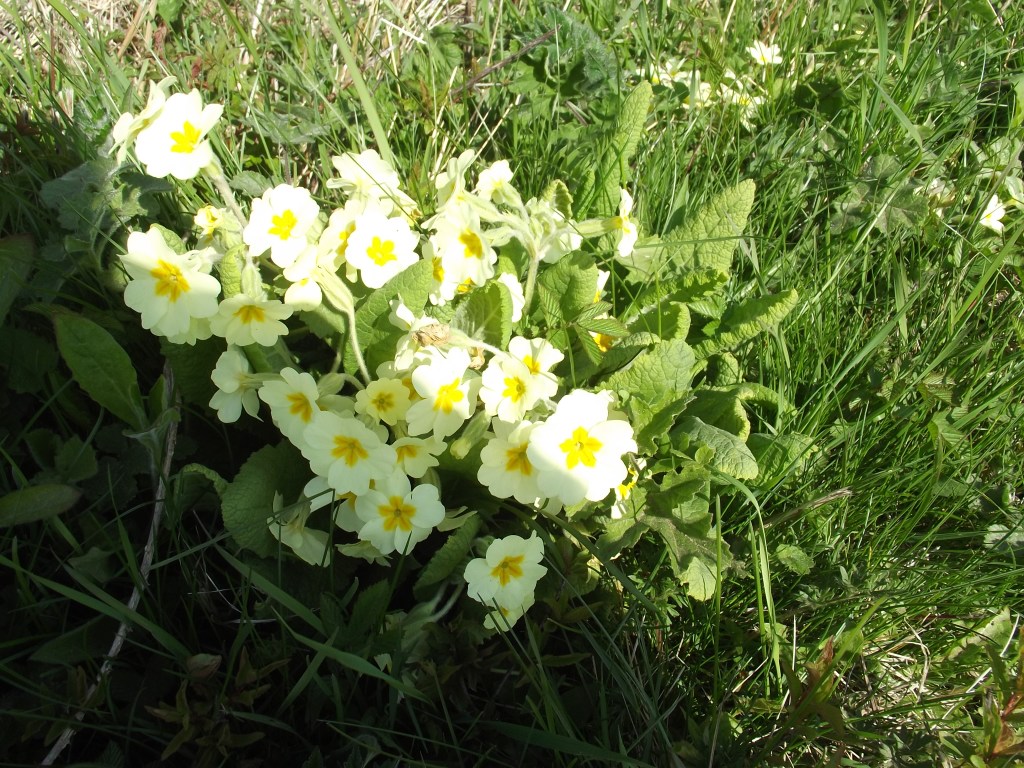
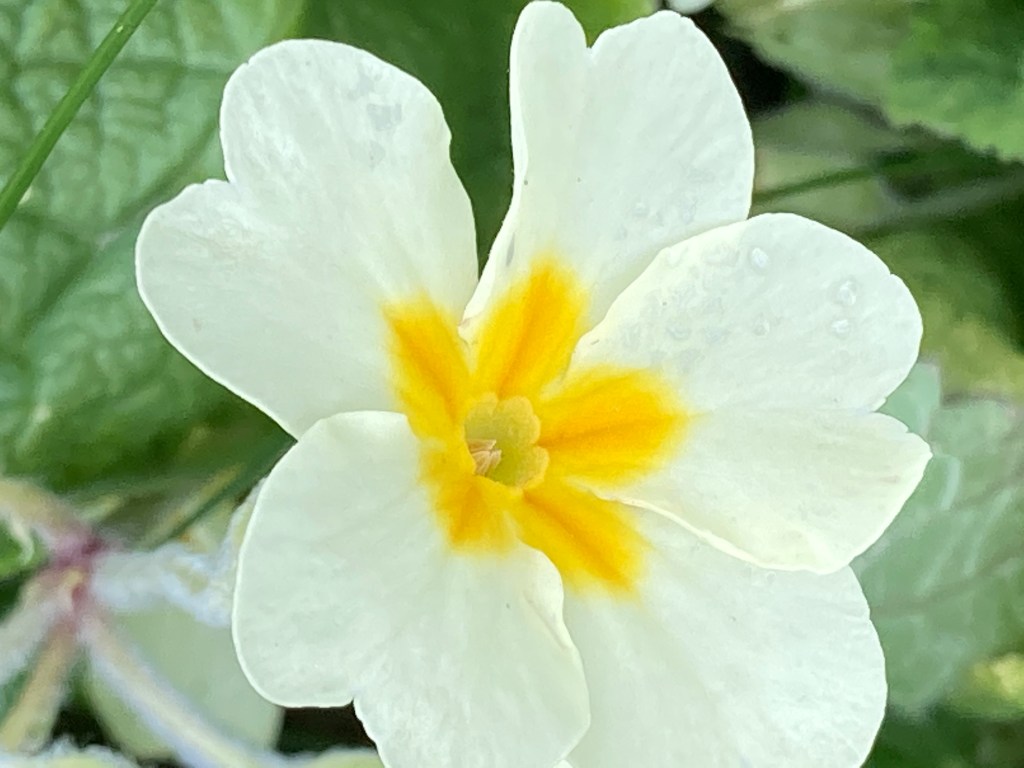
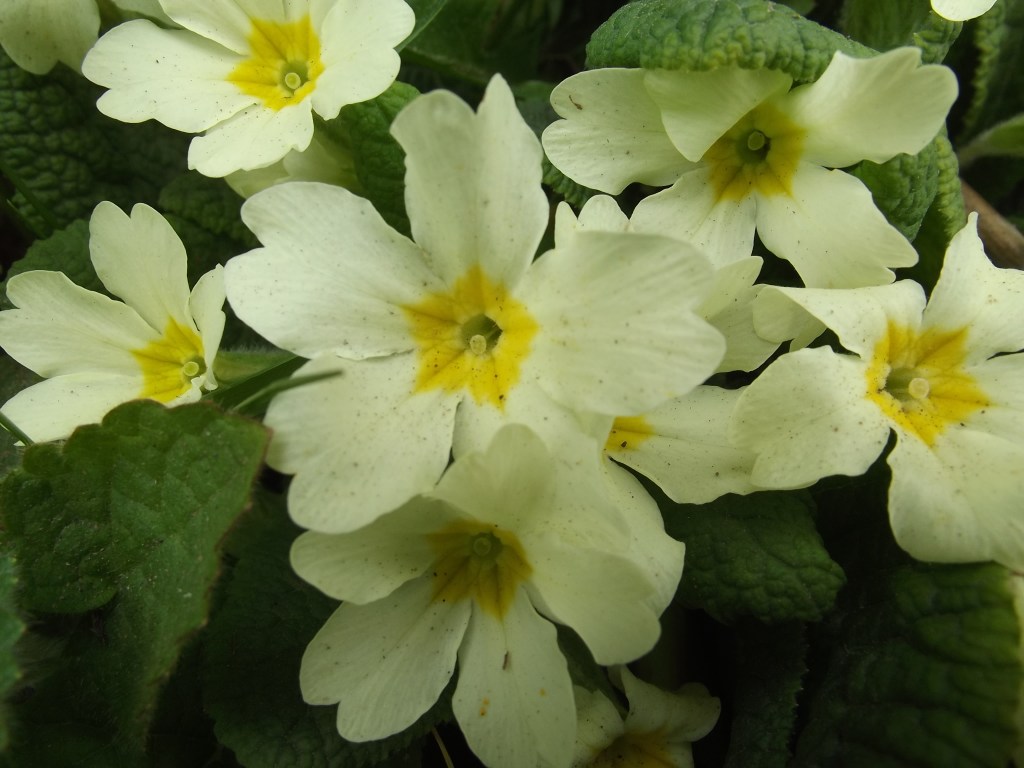
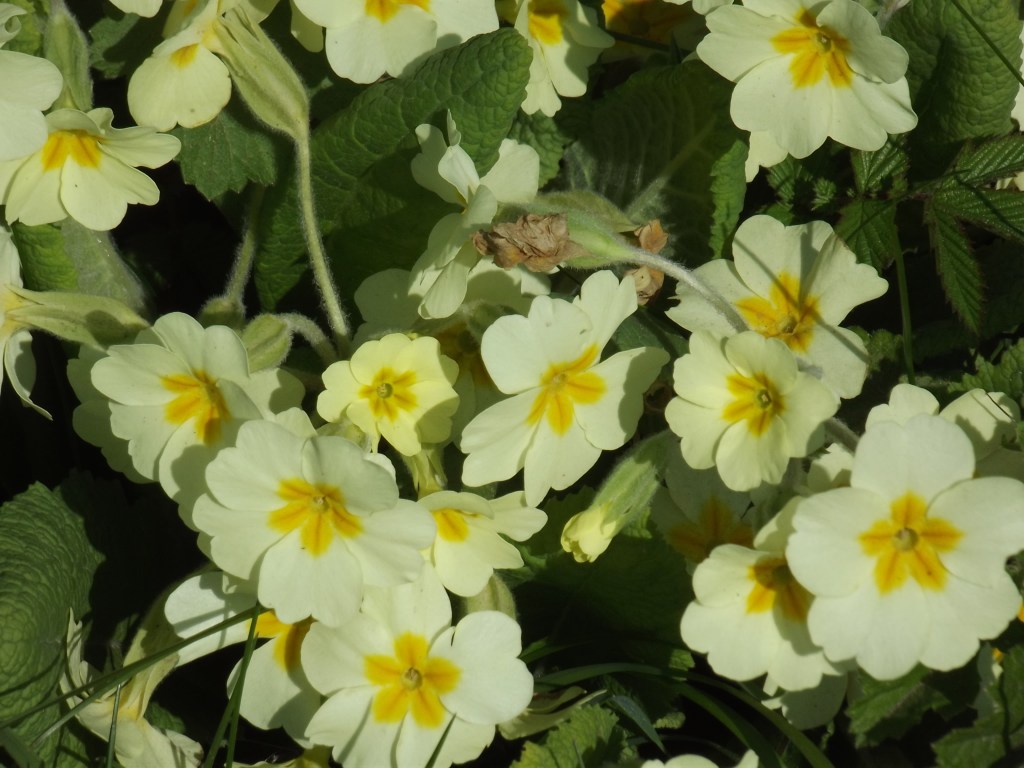
The pale lemon yellow flowers are 2-3cm in diameter and each has five notched petals.and deeper yellow centres. The flowers are carried singly on hairy stems above a rosette of oval leaves, wrinkled and heavily veined, each leaf up to 30cm long. The flower gives way to a capsule containing many small brown seeds. These require a cold spell to stimulate germination.
The nectar of the primrose is a valuable food source for long-tongued insects like butterflies, including emerging hibernating small tortoiseshells. It is also the food plant for the caterpillars of the rare Duke of Burgundy Fritillary butterfly.
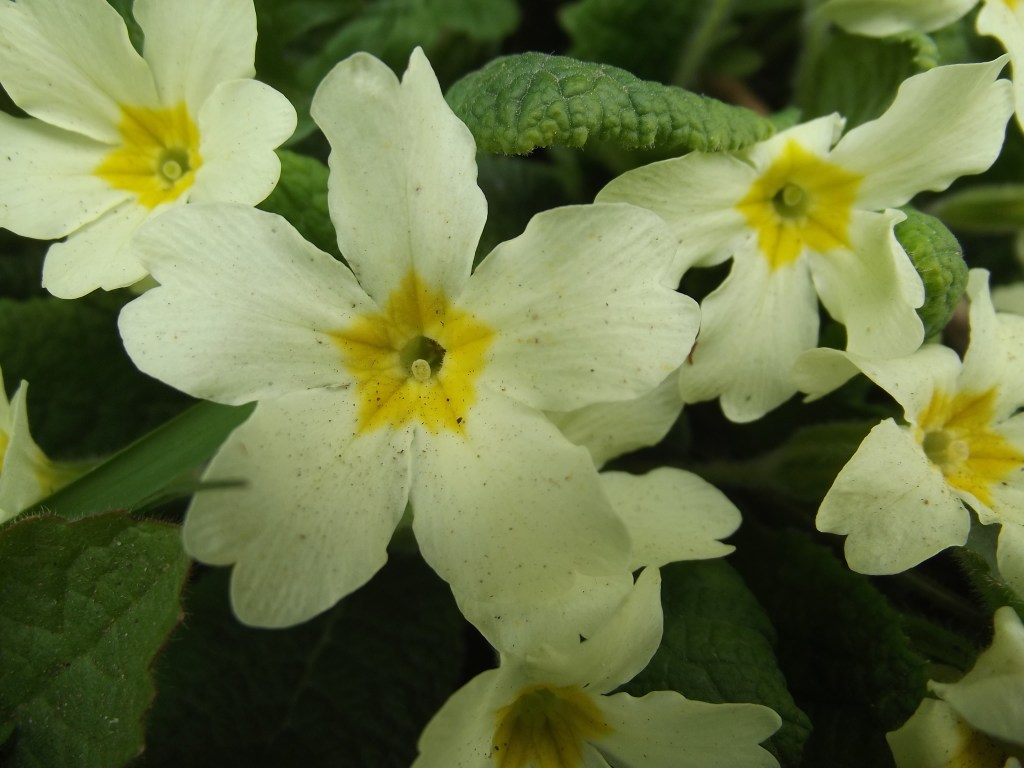
The name primrose is derived from the Latin prima rosa: first rose, as an early Spring flower. Other names include Lent rose, butter rose,Easter rose, though not a member of the rose family at all. In folklore the flower was associated with fairies. A patch of primroses marks a portal into the fairy realm. Placed on a doorstep the flowers bring a fairy blessing. Druids used primroses for protection from evil during rituals. A primrose garland would be placed on the body of a young woman who had died ‘in the springtime in her life” . Primroses would also be used to decorate the bed of newly weds, probably because of the association with, Spring, new life and fertility.
The name Butter Rose may come from an old practice of rubbing the flowers on cows’ udders to ensure good butter production from the milk. A poor show of primroses was said to be a sign that hens would lay fewer eggs.
Thomas Culpeper, the 17C herbalist, recommended primrose for its wound healing properties. It has also been used to treat gout, rheumatism, paralysis, toothache and skin problems.

Queen Victoria was said to have sent primroses to her Prime Minister, Benjamin Disraeli regularly. On Primrose Day, April 19th, the flowers are placed on his grave and on the statue of him in Westminster Abbey.
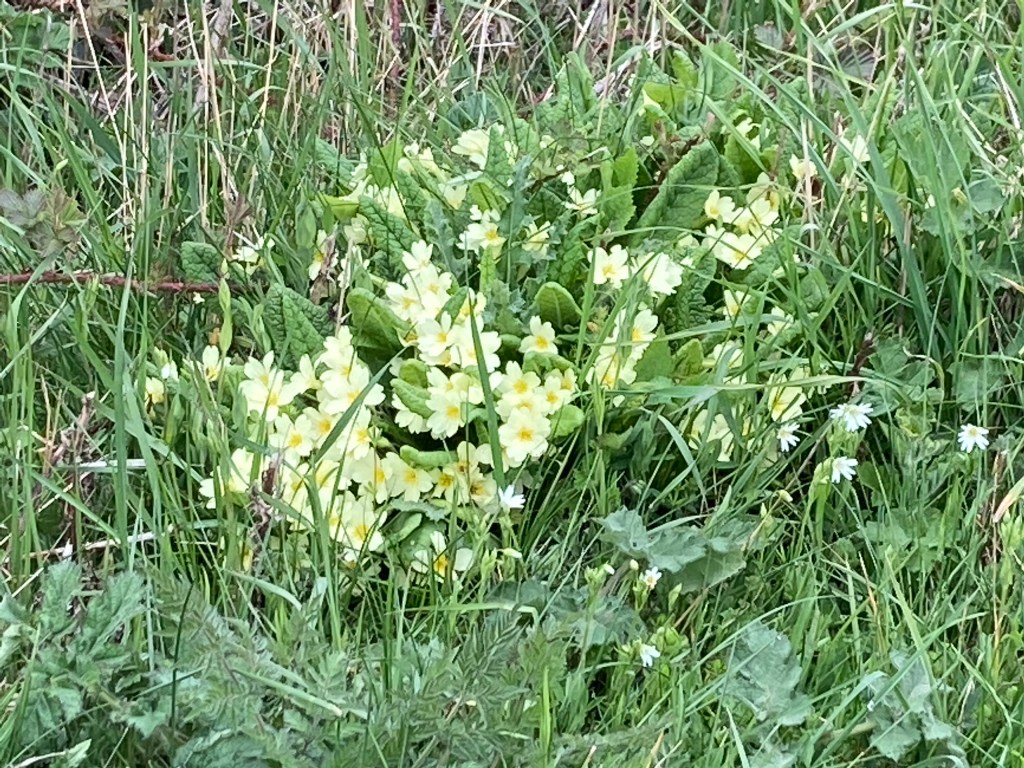
It remains one of my favourite wildflowers and a true harbinger of Spring
 Stitches by the Sea