
The North East Coast is dotted with fishing villages, which have had fluctuating fortunes over the years. Today they are popular holiday destinations, with many a former fisherman’s cottage renovated into an expensive holiday property. Small commercial fishing boats remain, especially in the larger ports, along with pleasure craft, but the former herring industry , formerly a major employer, has all but disappeared.
Over the Scottish border in Berwickshire, the herring industry was virtually destroyed overnight. On 14th October 1881 the fleet set out in calm waters. Following a week of stormy weather when they couldn’t sail, money was tight and bait was beginning to rot so the fishermen were anxious to work, even though the barometric pressure was very low.
The wind changed and a hurricane force storm blew up. Fishing lines were abandoned and the ships raced home but only a handful made it to port. The rest of the fleet was not so lucky. Some boats were smashed on the rocks nearby, others capsized. The families of the fishermen looked on in horror, powerless to help. 189 lives were lost, leaving 78 widows and 182 fatherless children.
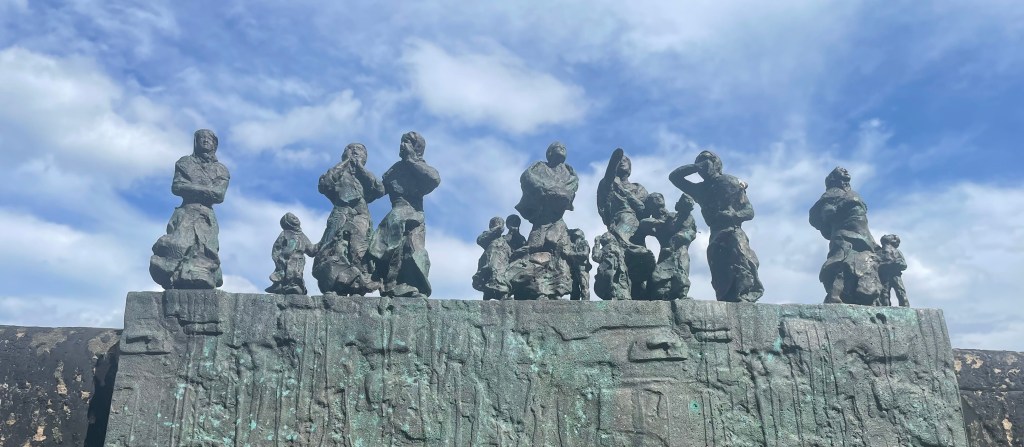
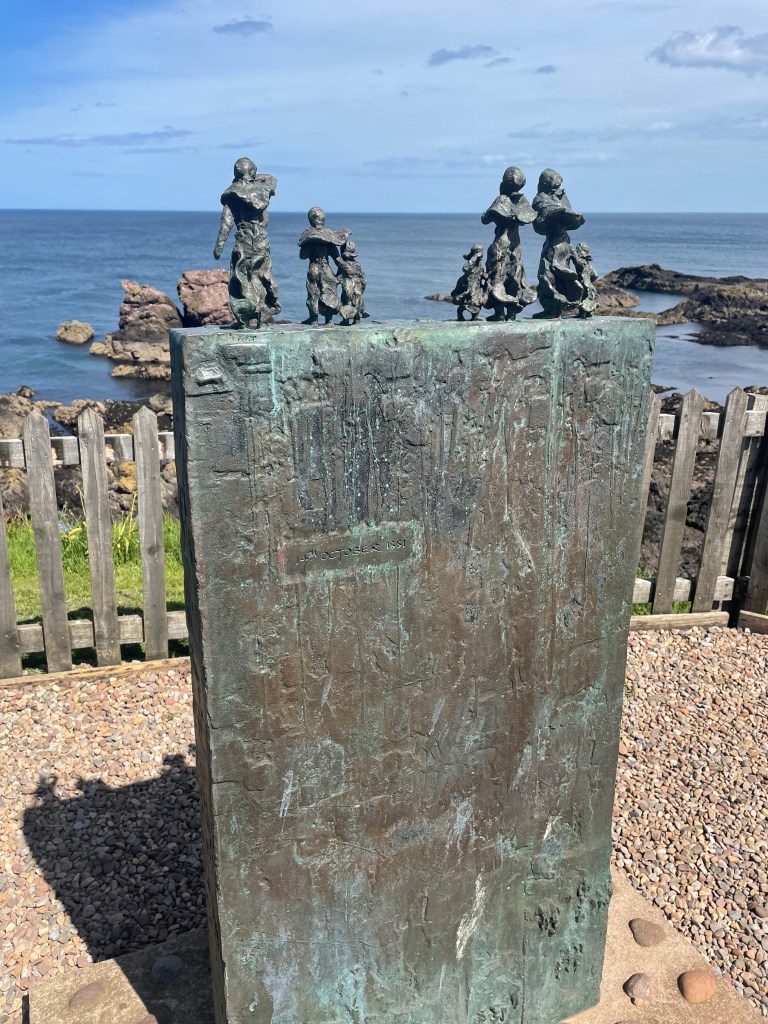
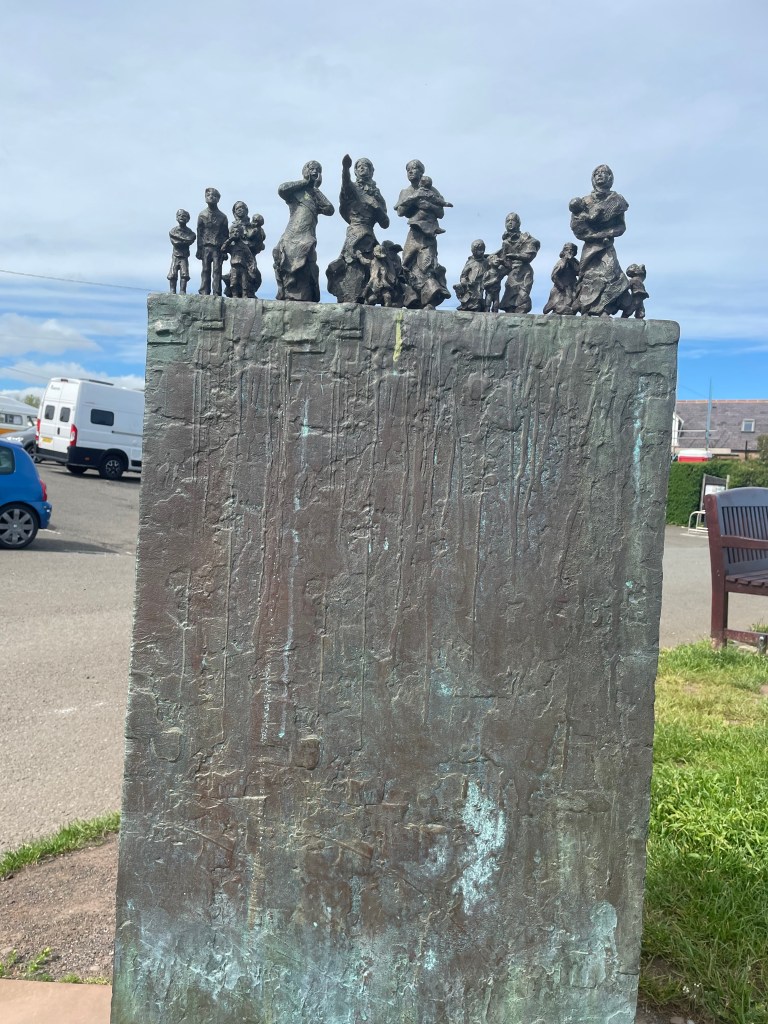
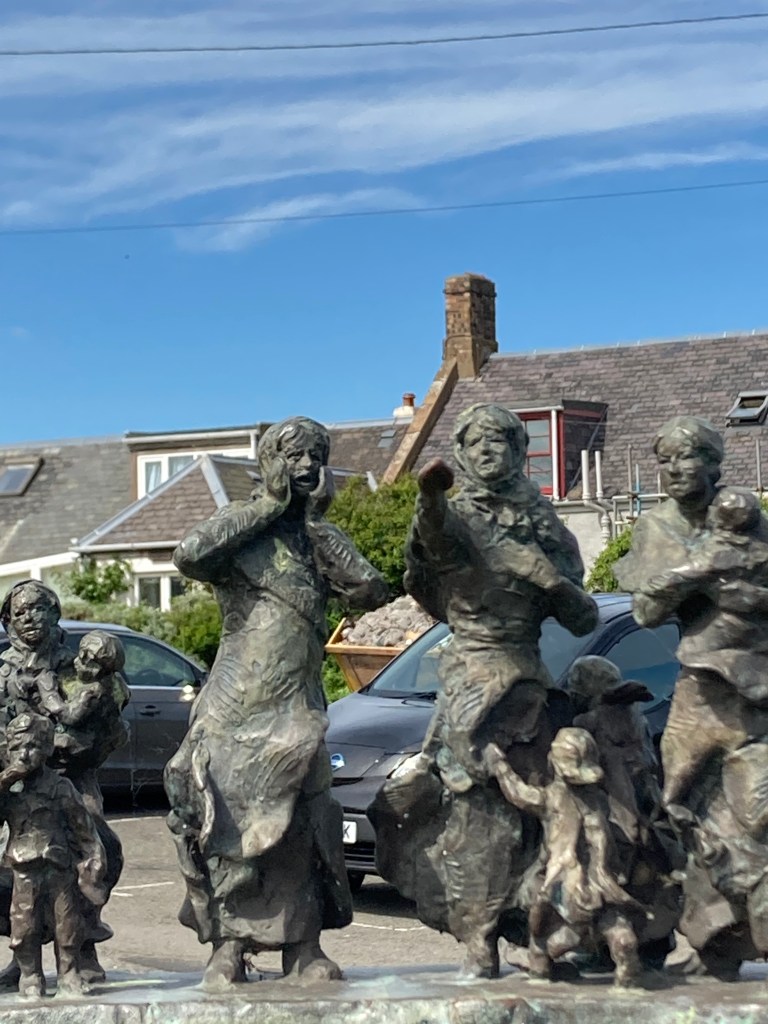
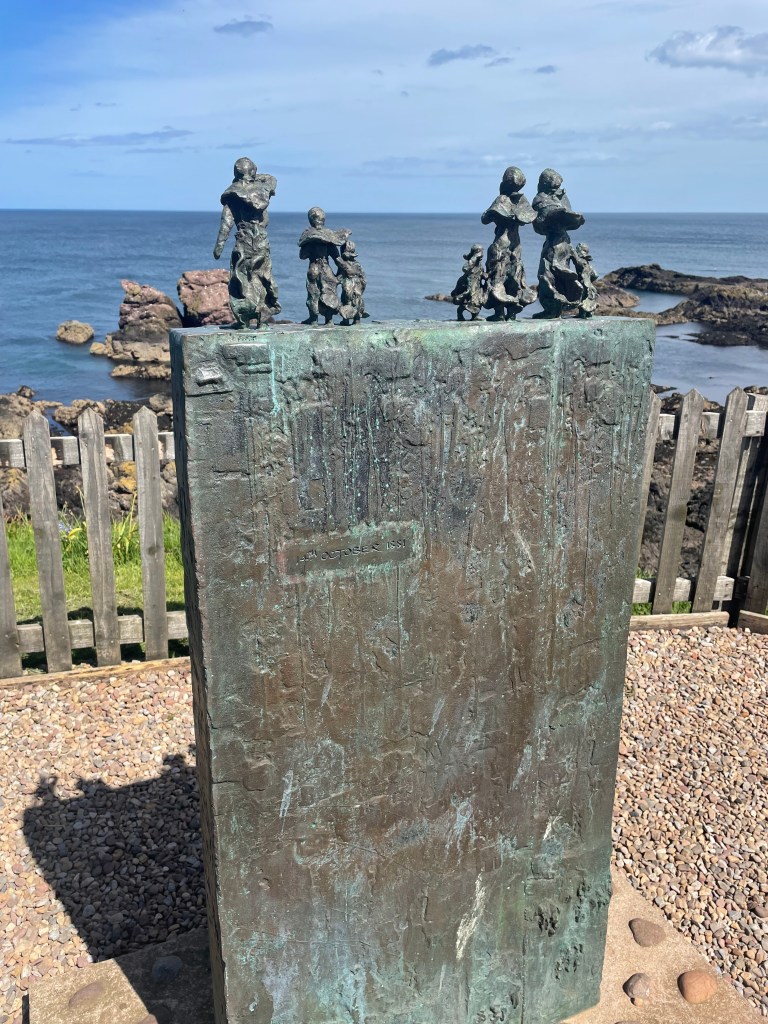
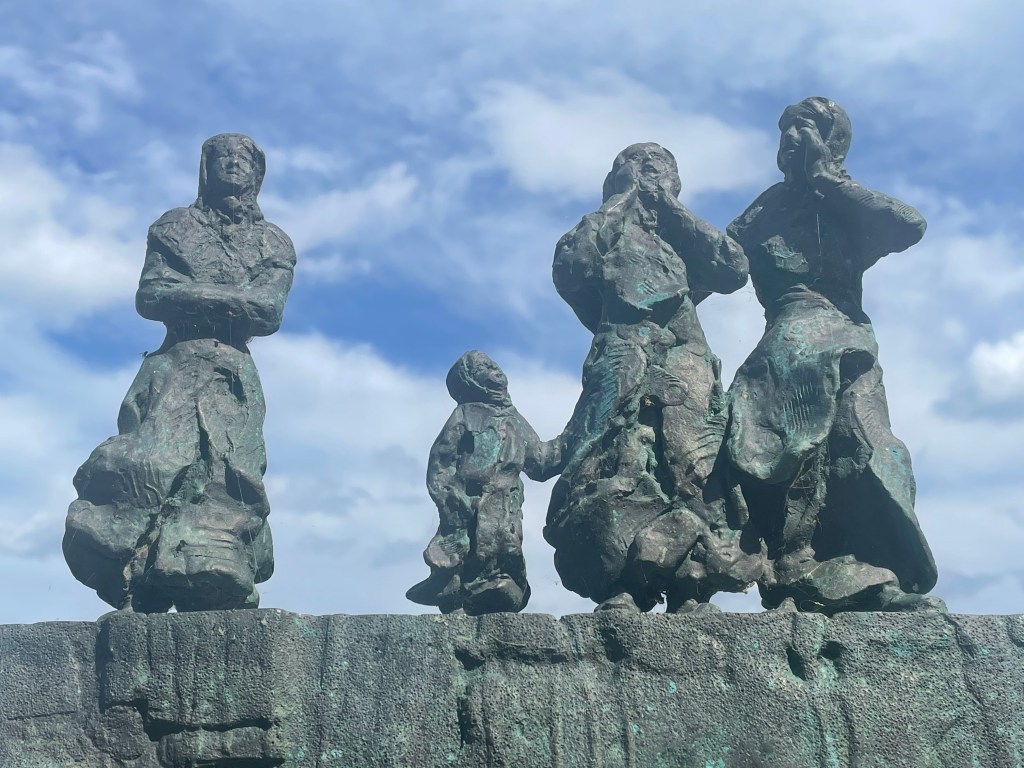
A series of four sculptures by Jill Watson were dedicated in 2016, on the anniversary of the storm, to commemorate the disaster. They depict the widows and bairns of the stricken fishermen looking out to sea overlooking the harbours of four fishing communities on the Berwickshire coast.
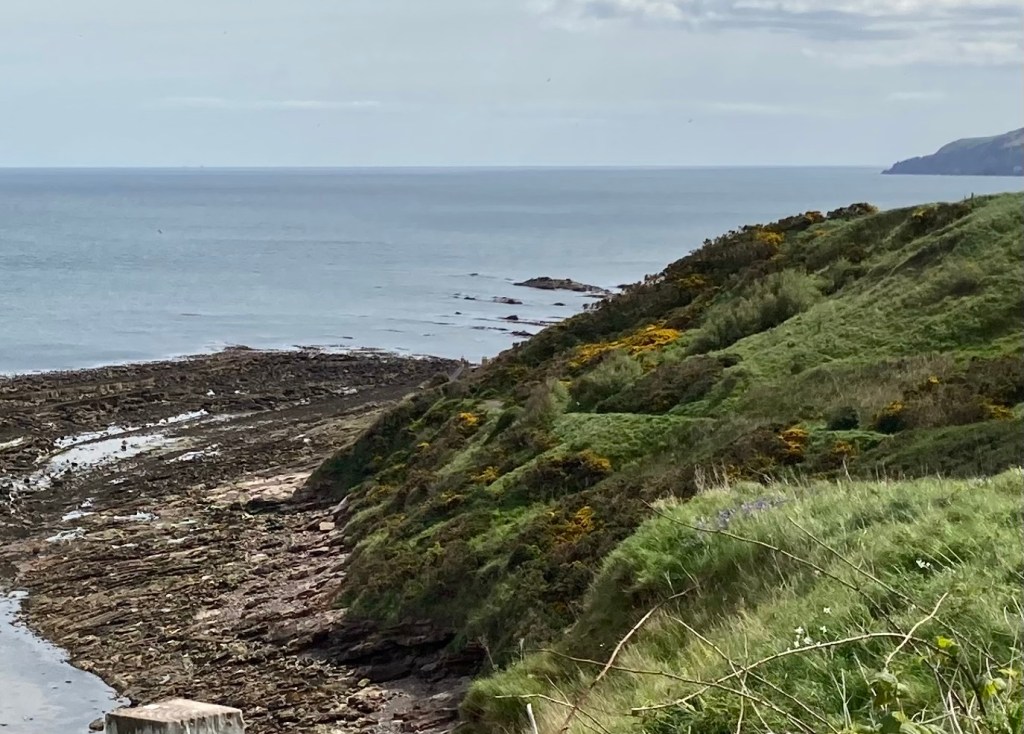
The northernmost of the artworks is in Cove, which lies north of St Abbs and south of the Torness nuclear power station. The village is tiny, situated at the top of the cliff. The harbour is privately owned, accessed by a steep gated path, which goes through a tunnel in the headland to the reach beach and harbour. Cellars leading off the tunnel, were once used to store fish but are now sealed off for safety. The landowners request that photos of the harbour are not published to maintain the unspoilt character of the place, but here you can just make out the buildings at the edge of the hidden bay and harbour.
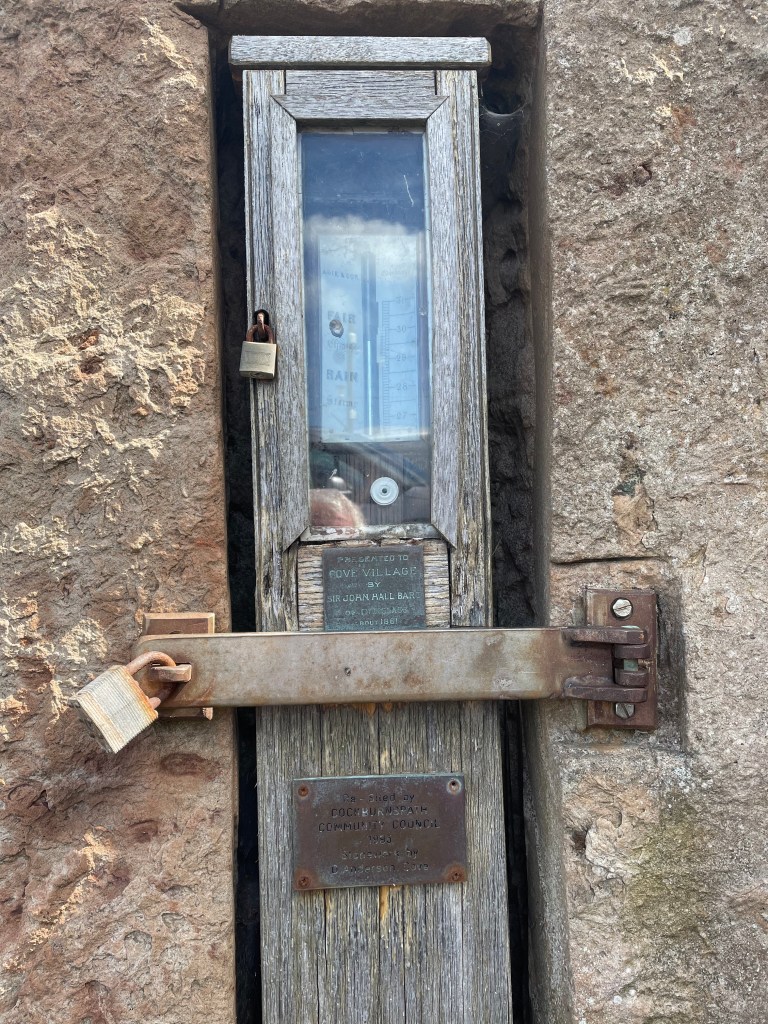
A barometer stands set into a rock at the corner of Cove car park. This was restored and resited there in the 1990s. The plaque indicated that this was presented around 1861, predating the fishing disaster. There is a cruel irony that this provided the means to predict the fatal storm.

The bronze cast sculpture overlooks the sea as the wives and children of the fishermen did. The adult figures stand about 20cm high. Each one represents a real person , the families of the 11 men of Cove who were lost that night.


The next sculpture is in St Abbs. This attractive village is popular with divers, both for its abundant marine life and the wrecks offshore.
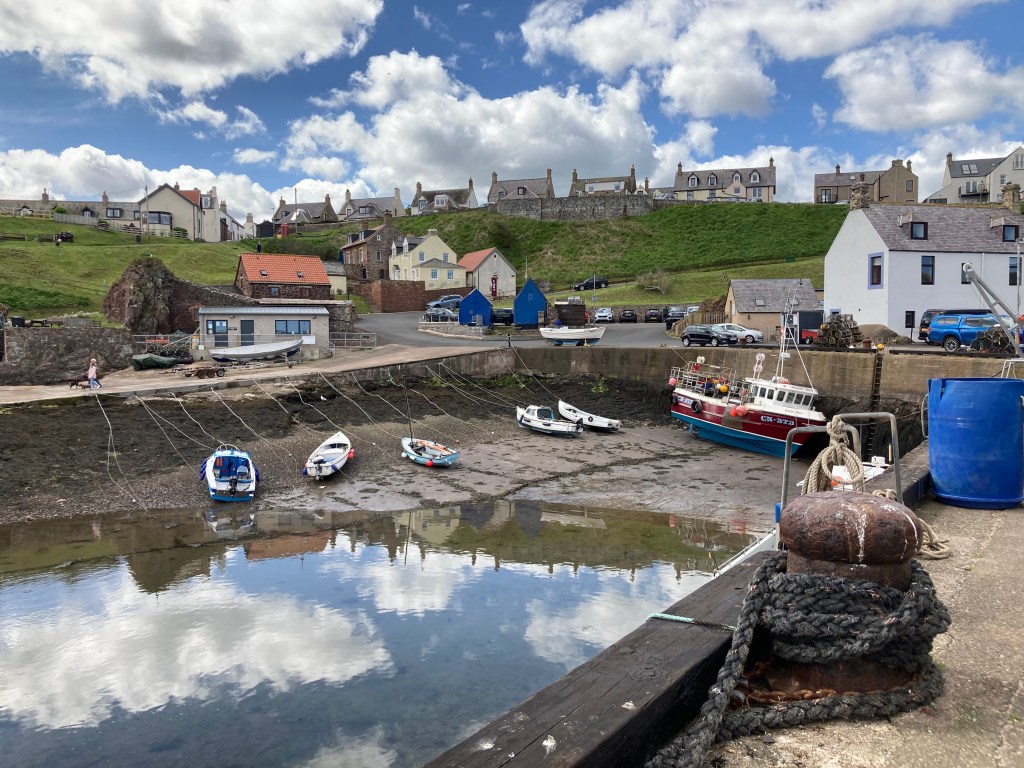
The road leads down the hill to the harbour car park but the sculpture is at the top, again overlooking the harbour.
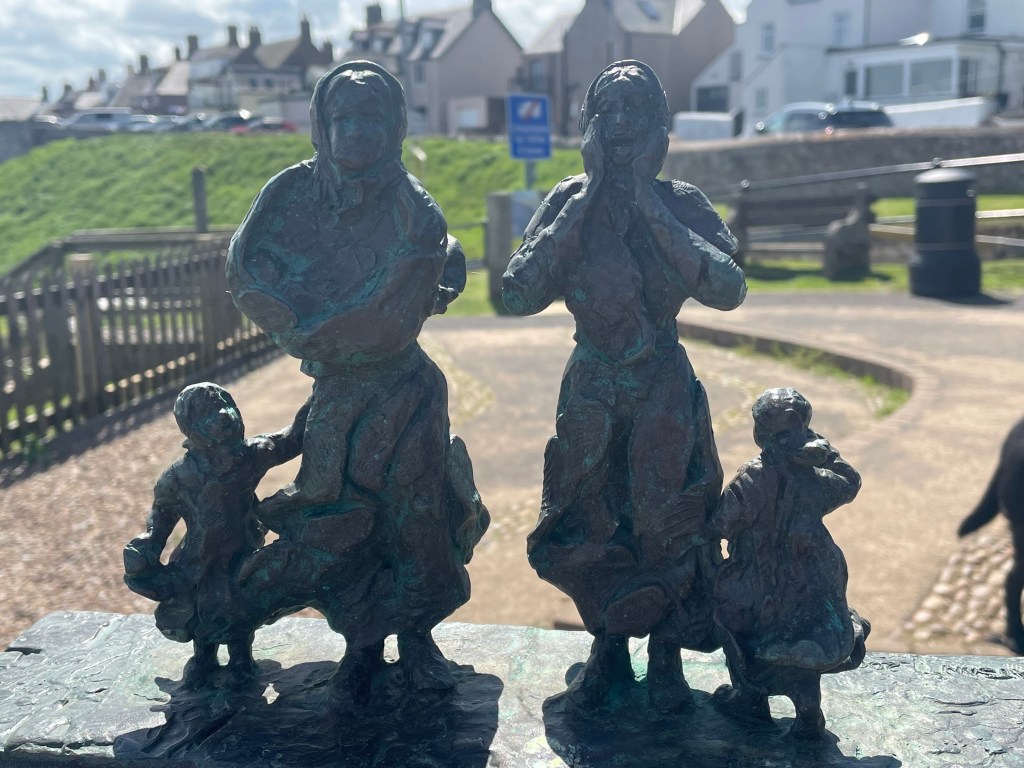
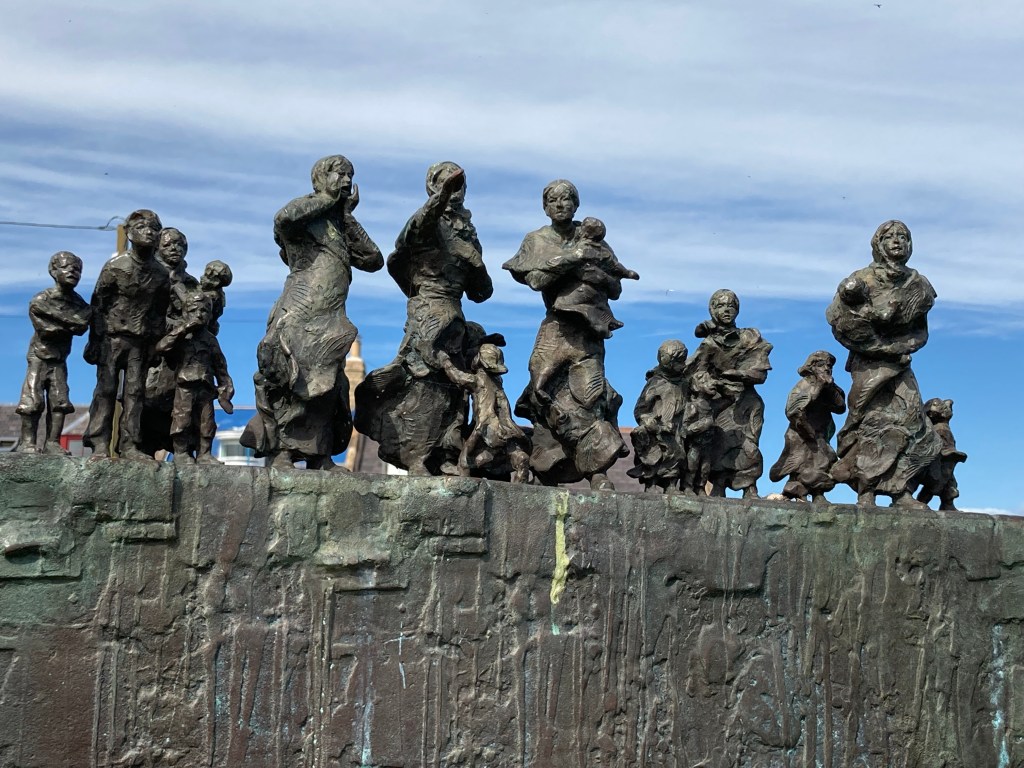
Moving south to Eyemouth there is a much larger artwork in the series, appropriate to the size of this small town and that it suffered the greatest loss of life in the storm of 1881: 129 of the 189 who died. This represented some 10% of the male population and there are more figures depicted here to represent larger numbers of family members affected.

Looking closely at the figures, the detail is quite remarkable. Some look out to sea, others’ faces are contorted with grief.
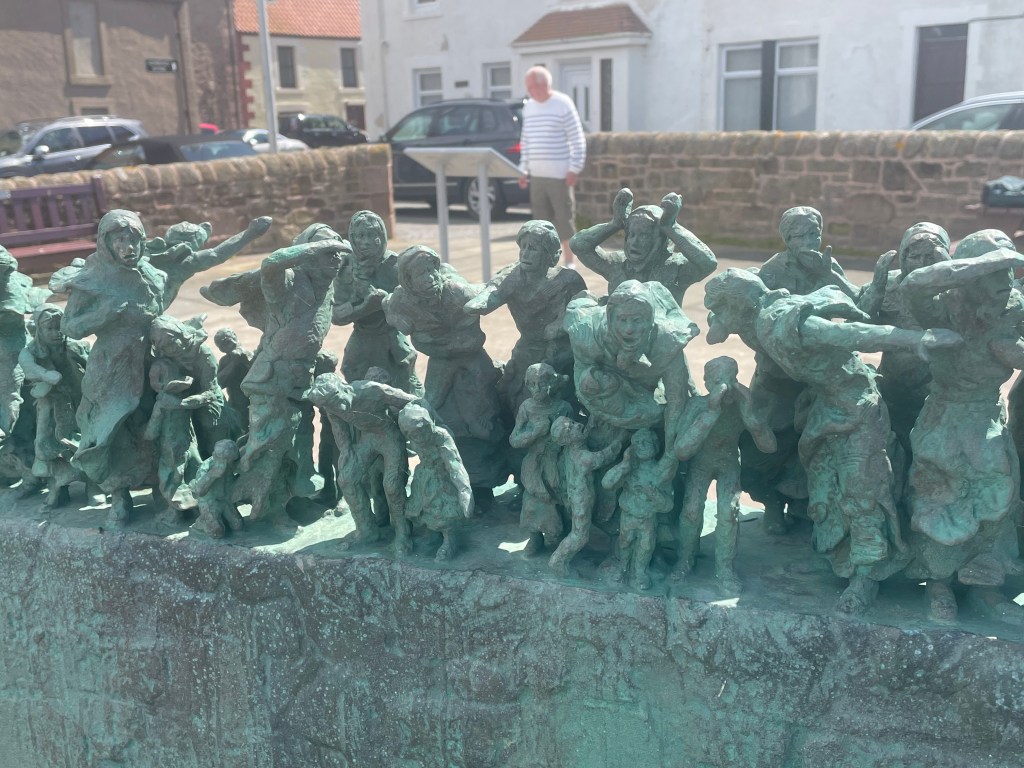
Some of the women battle with their shawls as they are caught by the wind.
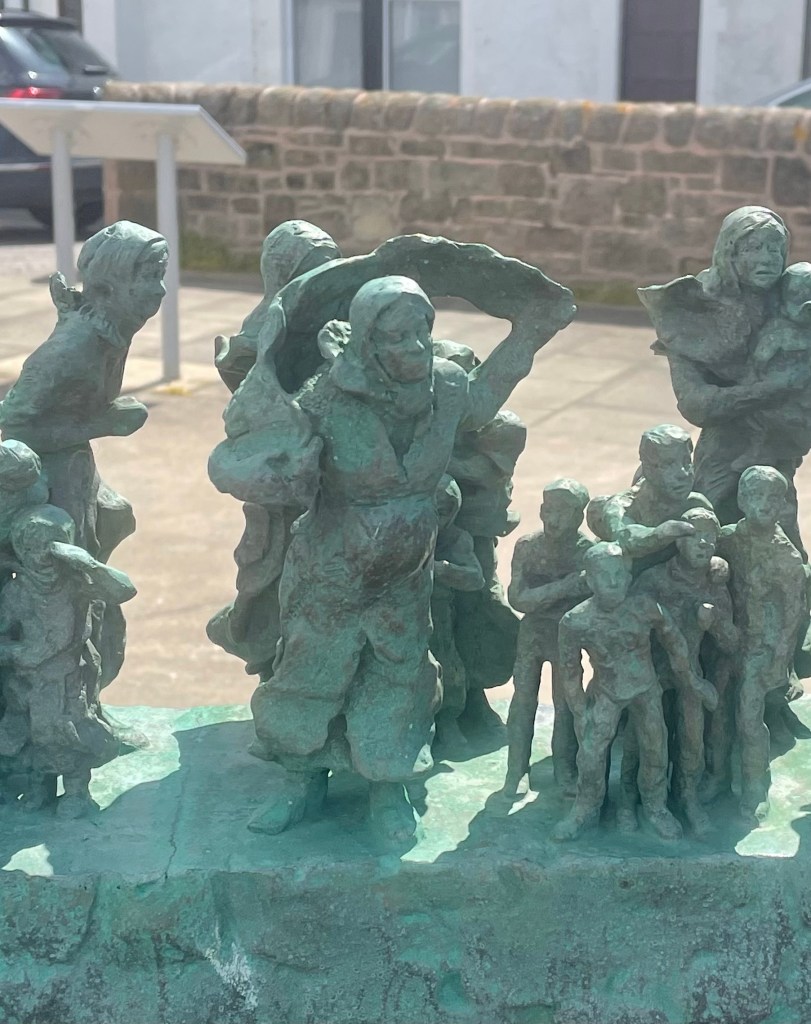
Some have babes in arms and try to comfort their children or each other. Still others pray.
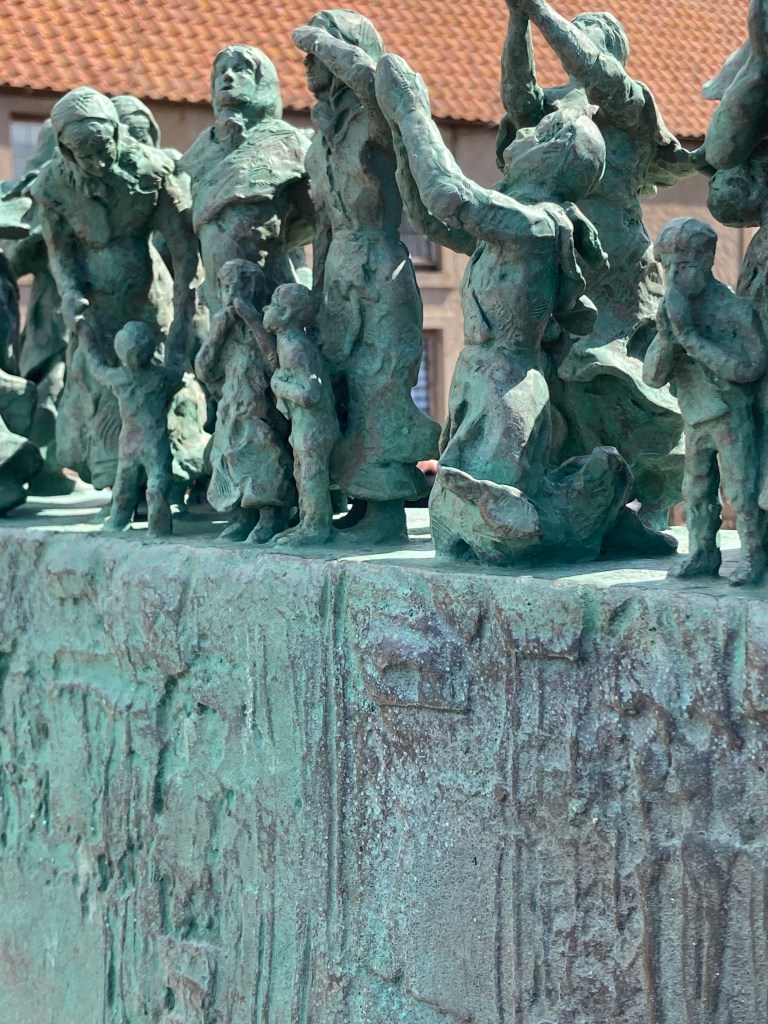
Though most of the figures stare out to sea, at the back of the sculpture the detail is still as perfect. A pair of women hug to console each other.
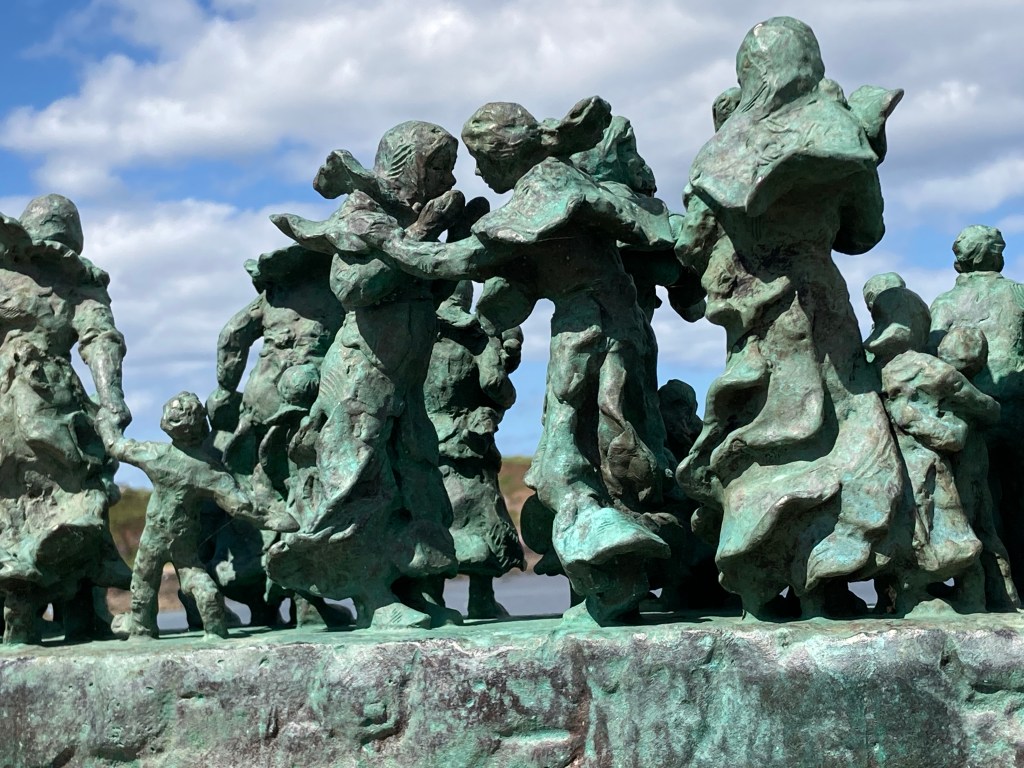
Confused tiny children are comforted by an older sibling..
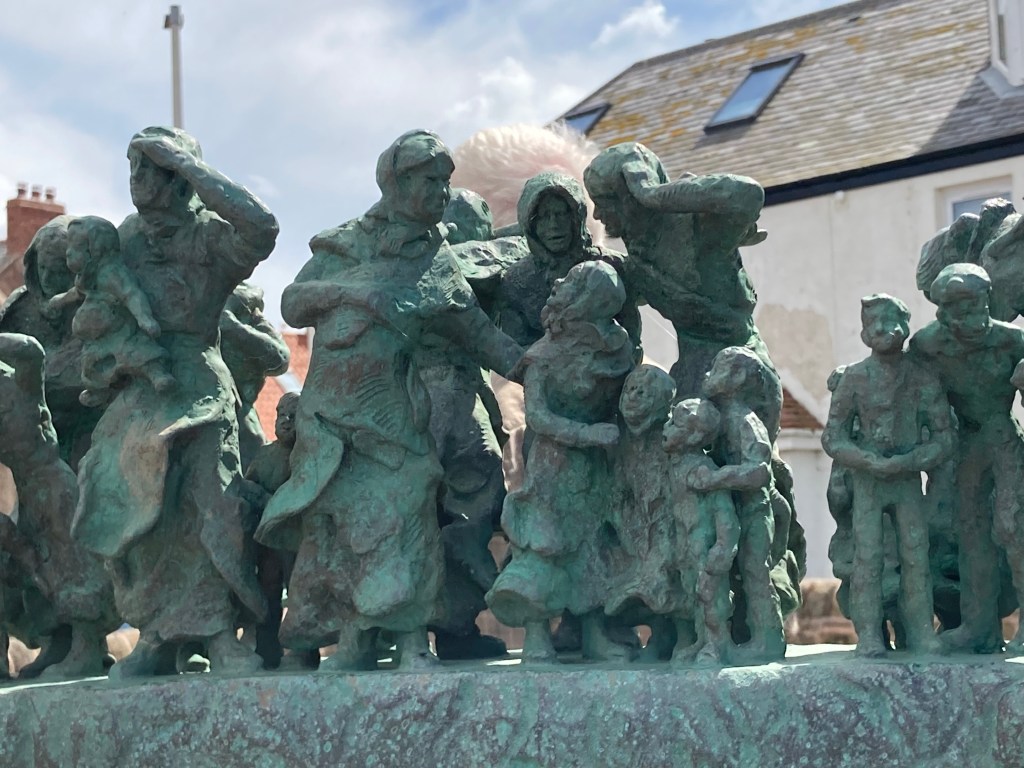
It is incredibly moving, a perfect memorial not just to the fishermen who died but the families who suffered as a result of that loss. An appeal raised a large sum to support the widows and children, the equivalent of over £4m in today’s money. Queen Victoria was one of the contributors.
The final sculpture is at Burnmouth. The village sits at the foot of cliffs down a precipitous road.
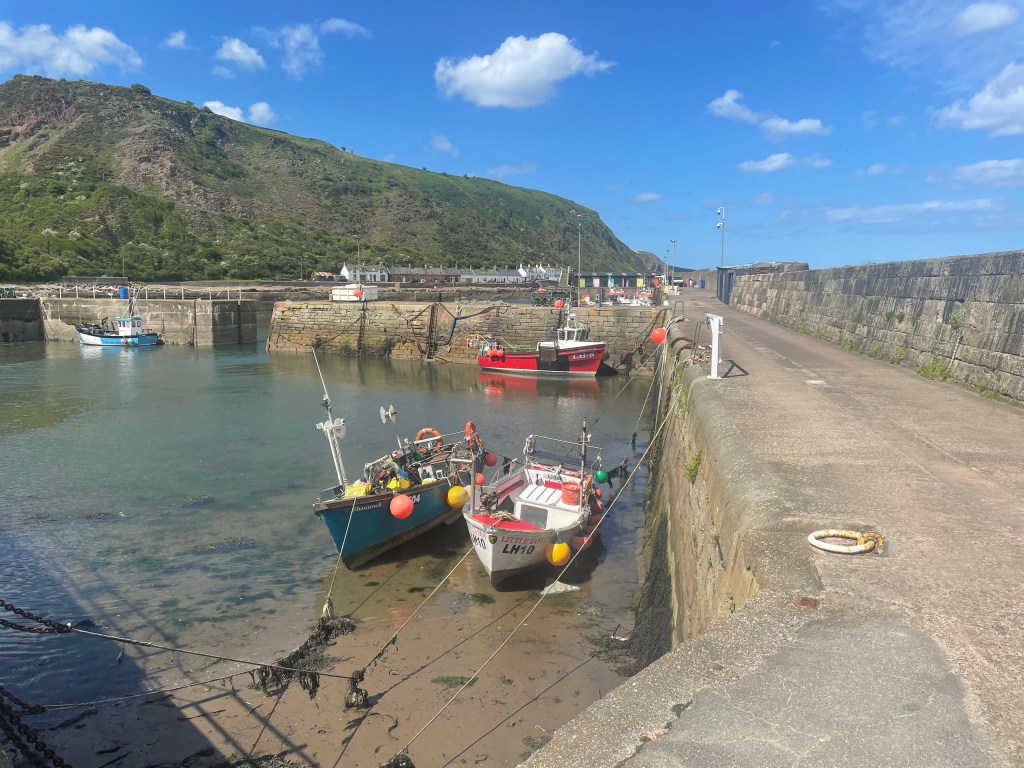
The artwork is on the harbour wall.
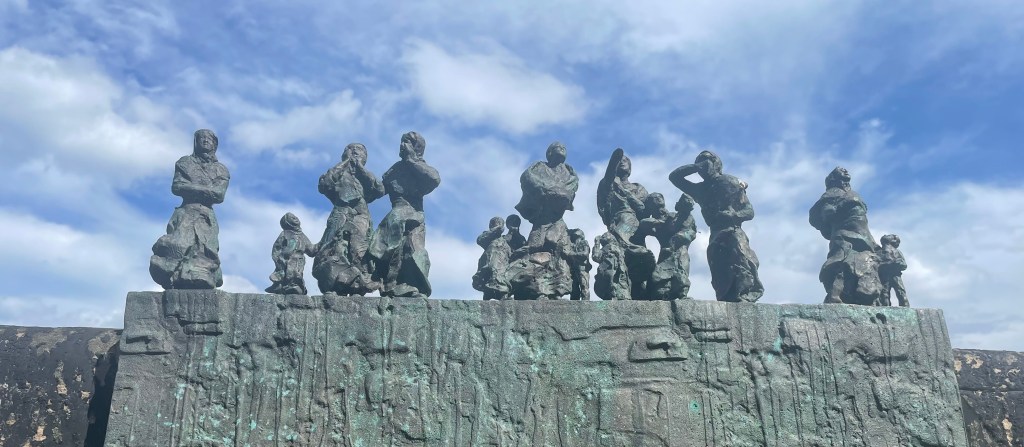
This small village lost 24 men in the storm, a huge loss for such a small village.
I’m glad to have seen all four pieces, which are a credit to the artist and make a truly poignant memorial to those lost on that fateful October day.ove







 Stitches by the Sea